Save up to €45 in queue time
- Priority access
- Skip the queue
- Free cancellation up to 24h
Trincomalee Whale Watching Tours — Dawn Departures from Nilaveli
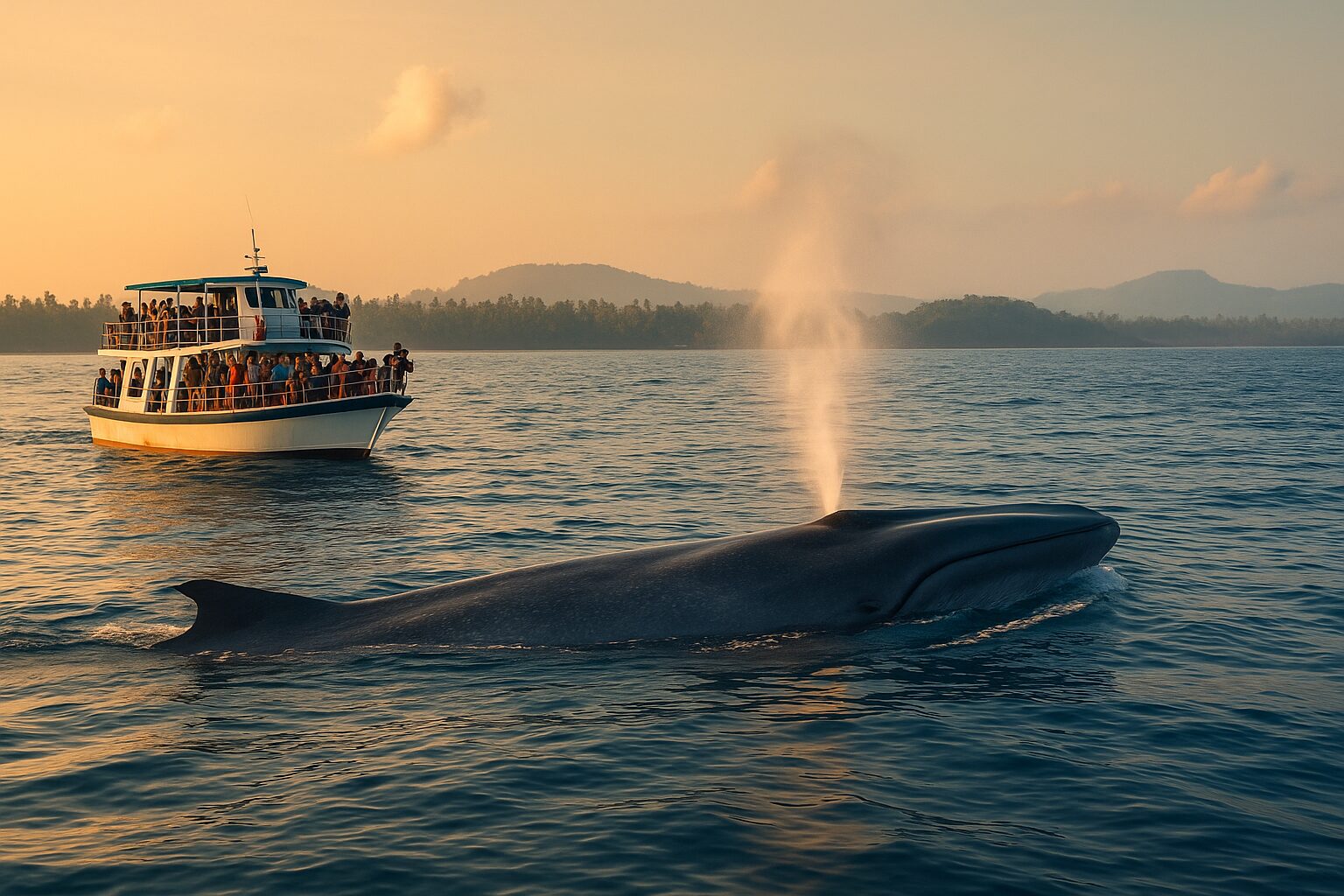
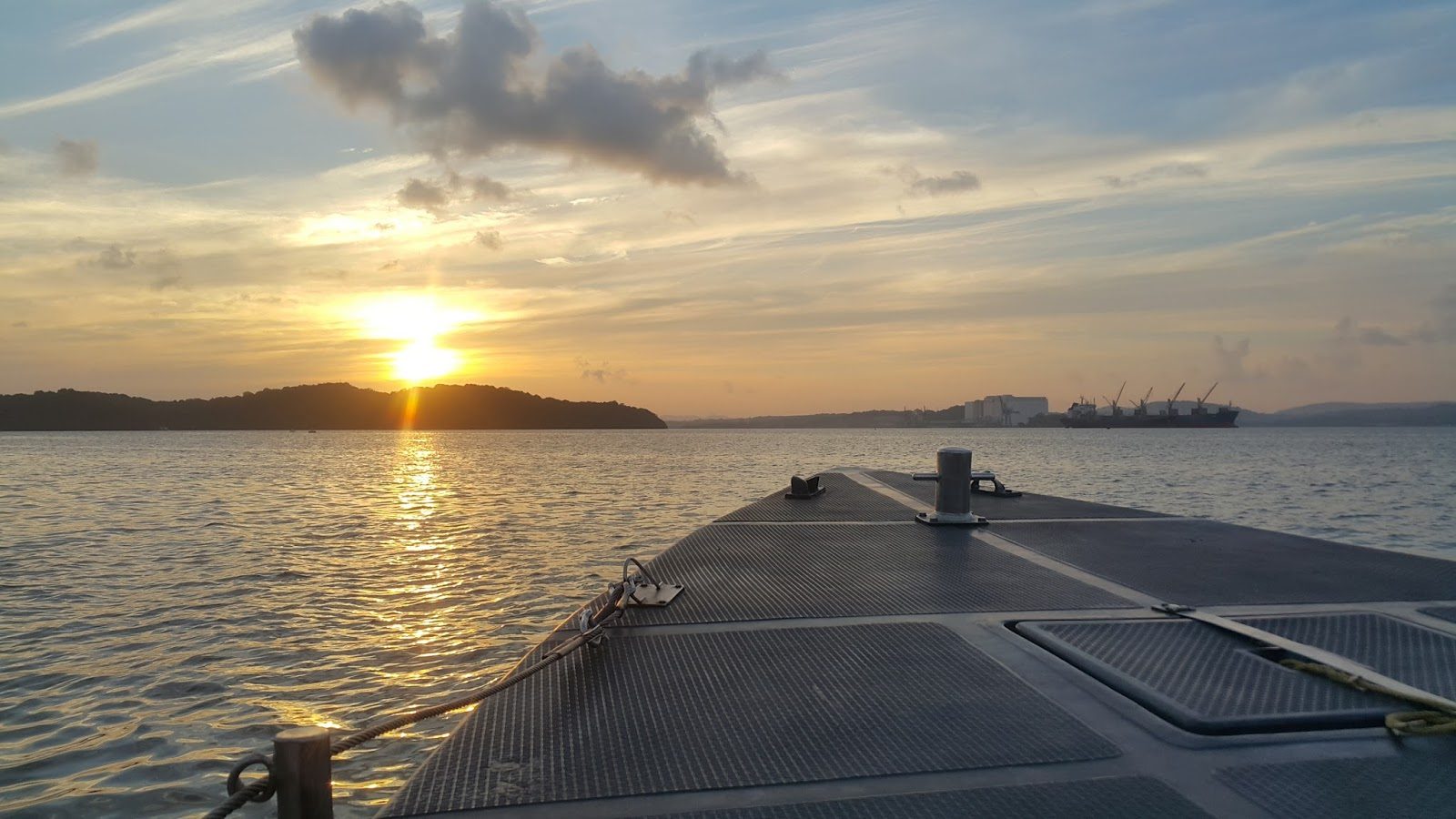
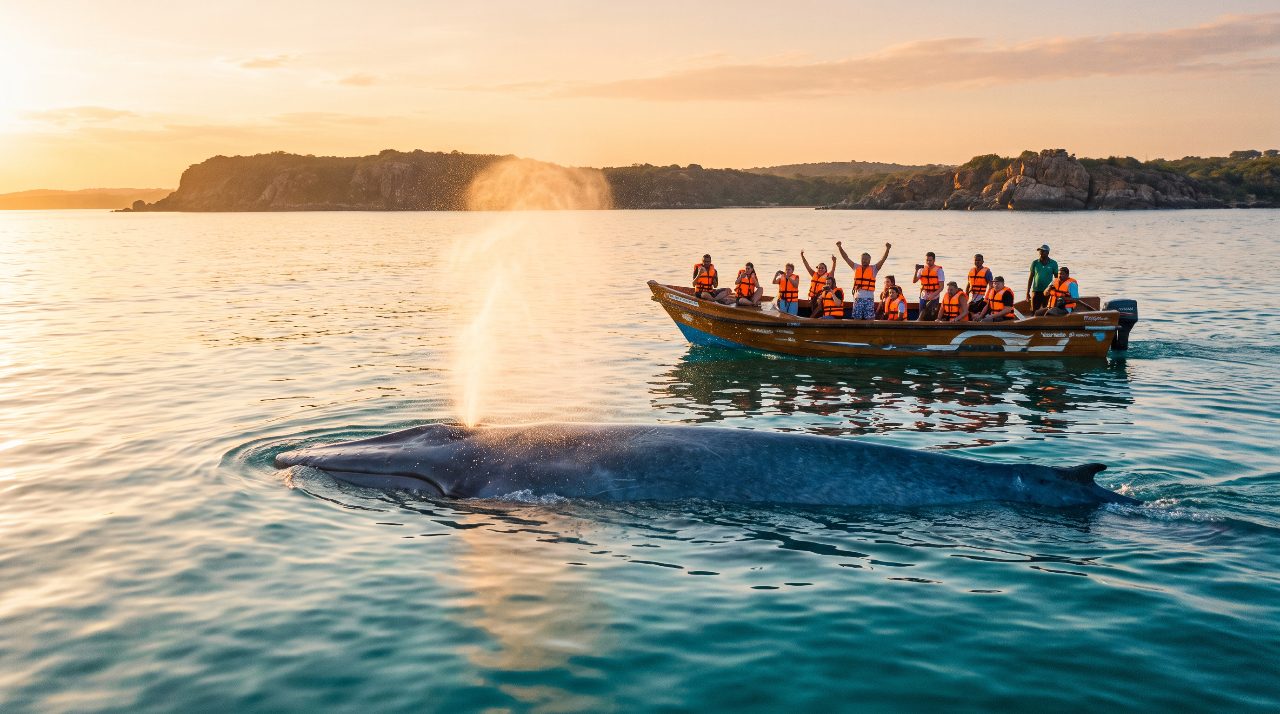
Blue whales surface at first light, the harbour still cool.
Compare fares, pick the fit — all bookings are mobile-voucher and eligible for free cancellation where shown.
Save up to €45 in queue time
Save €25 vs gate
Duration · 2 hr
Worth it for patient open-water travellers
Free entry to the departure areas at Trincomalee Harbour and Nilaveli Beach means the only cost with trincomalee whale watching tours is the operator ticket, and that figure varies by boat. What you actually buy is a probability, not a promise. In the right conditions these waters hold blue whales, sperm whales, and pods of spinner dolphins, yet no crew can guarantee a sighting. So the value math is honest: you pay for access and odds. A morning trincomalee whale watching tours tour that leaves in the calm 05:30–06:00 window gives the best shot before wind roughs the surface, and paying for a reputable vessel buys steadier decks and a captain who reads the sea. Where it pays off: travellers who accept a chance of a quiet day and can handle open water. Skippable if you get queasy fast, since swell can turn cheap trincomalee whale watching tours tickets into a rough few hours. Book Nilaveli whale watching trips through licensed operators and the odds tilt your way.
Bottom line: For anyone who accepts the odds and the swell, trincomalee whale watching tours deliver honest value for a free-to-enter, pay-per-boat experience.
They complement each other; most visitors who do both call the calmer summer seas of Trincomalee the more comfortable Nilaveli whale watching experience. Buying trincomalee whale watching tours tickets in advance is recommended for the peak summer months.
|
Top pick Trincomalee |
Mirissa | |
|---|---|---|
| Best Season | May to October | November to April |
| Sea Conditions | Calm waters, minimal swell | Moderate to rough swell |
| Whale Species Seen | Blue whales, sperm whales | Blue, sperm, and fin whales |
| Crowdedness | Quiet with few boats | Highly crowded with many boats |
| Departure Points | Trincomalee Harbour or Nilaveli Beach | Mirissa Fisheries Harbour |
| See tickets & prices |
Verdict: Ultimately, opt for trincomalee whale watching tours tours if you travel between May and October, whereas Mirissa is the primary destination during the winter.
Arrive at the departure point between 05:30 and 06:00 to verify tickets and fit life jackets before boarding.
With a skip-the-line Trincomalee whale safari, you will bypass the main queue at the pier and board quickly.
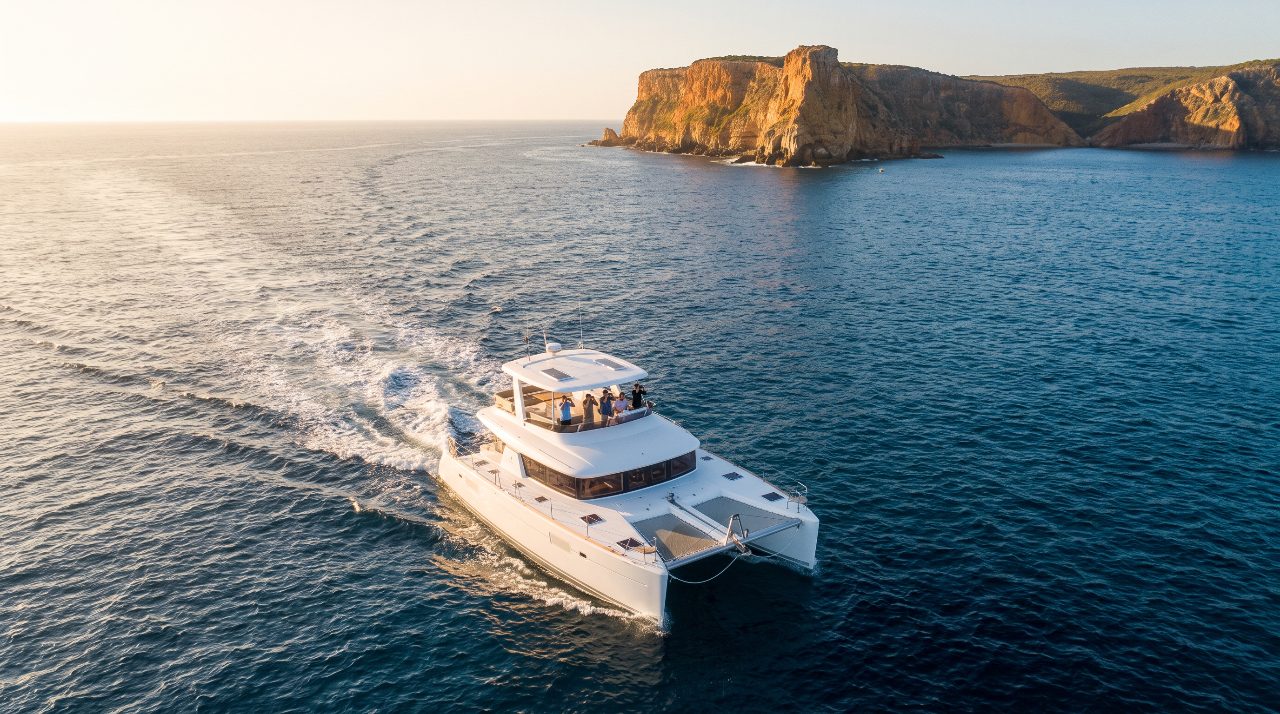
Sail out to the edge of the continental shelf to scan the water for blue whales, sperm whales, and dolphin pods.
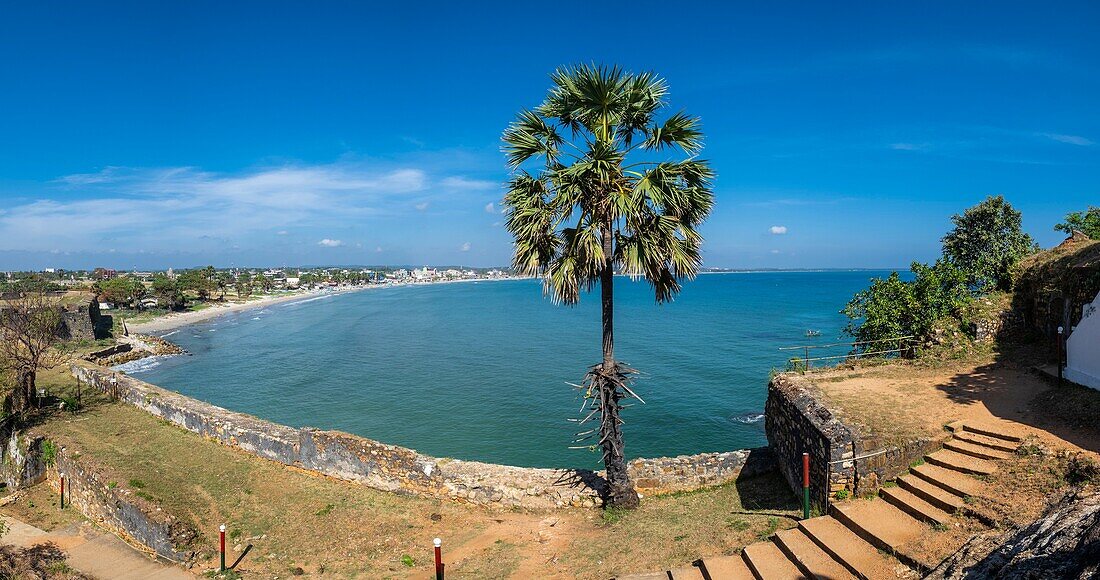
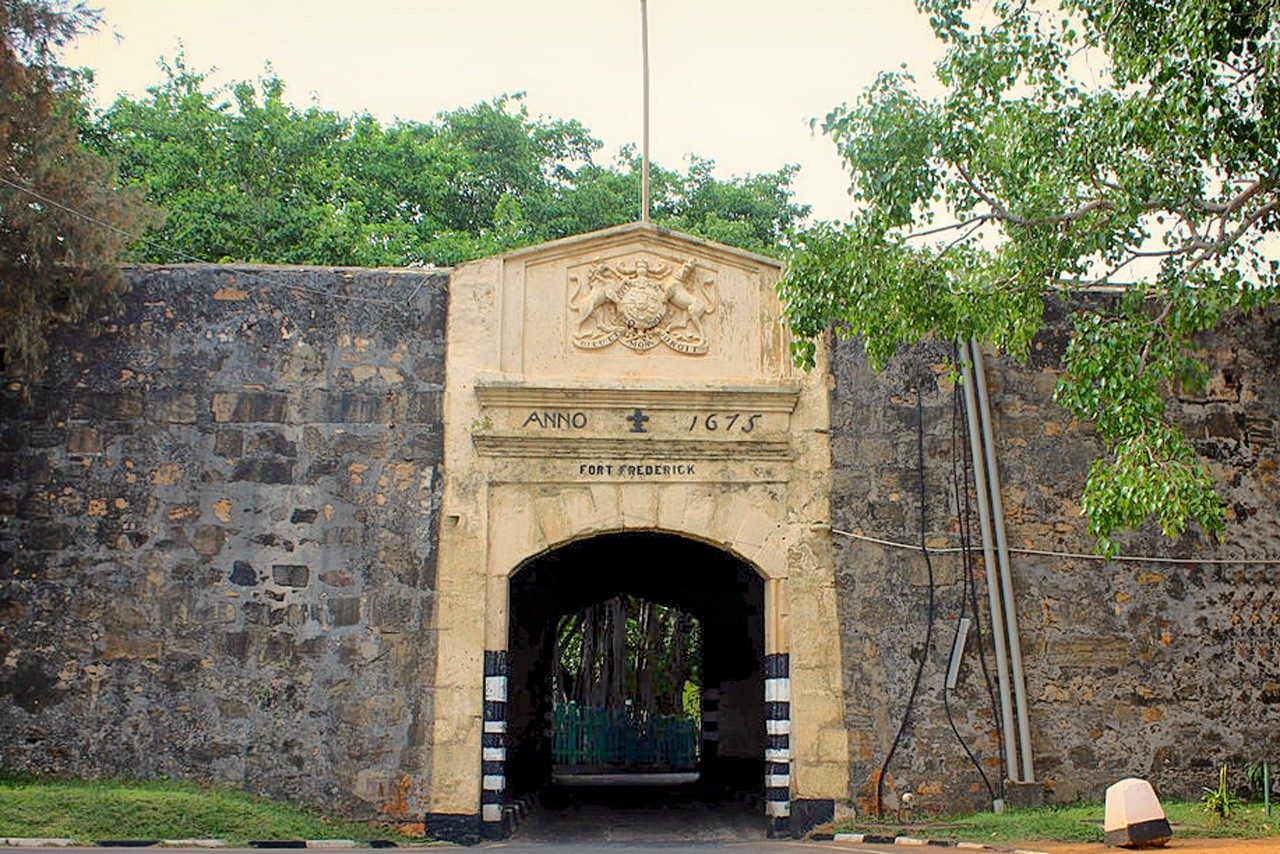
Cruise back to the harbor or Nilaveli beach, enjoying views of Fort Frederick and the Trincomalee coastline.
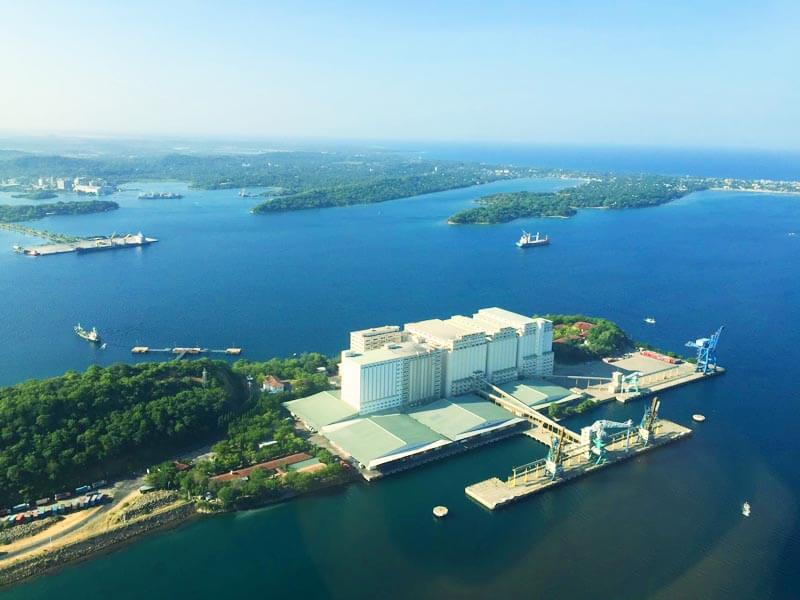
The starting point for naval whale tours, operating inside a natural harbor that is the fifth largest in the world. It features historic submarine pens and British-era naval architecture dating back to World War II.
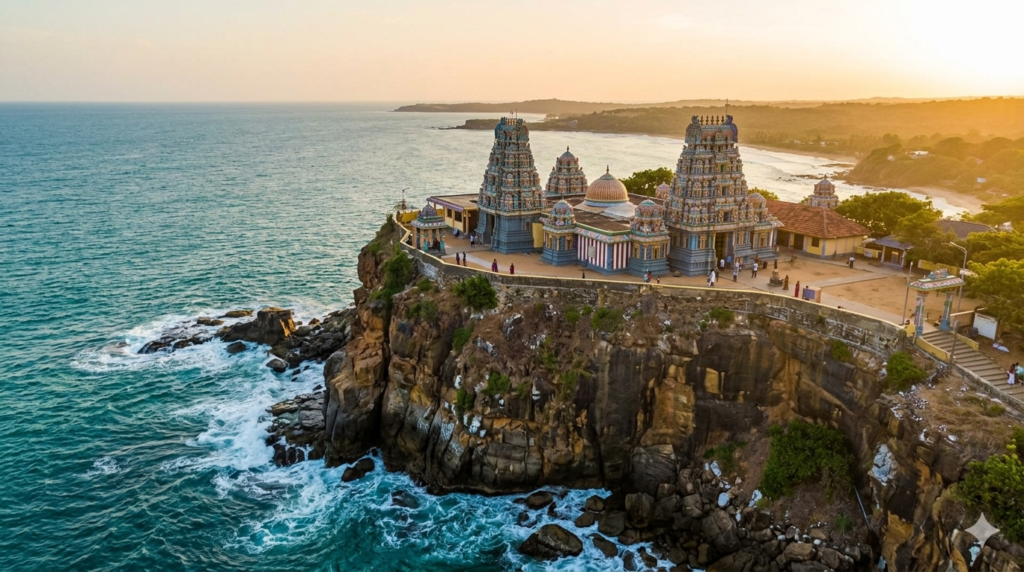
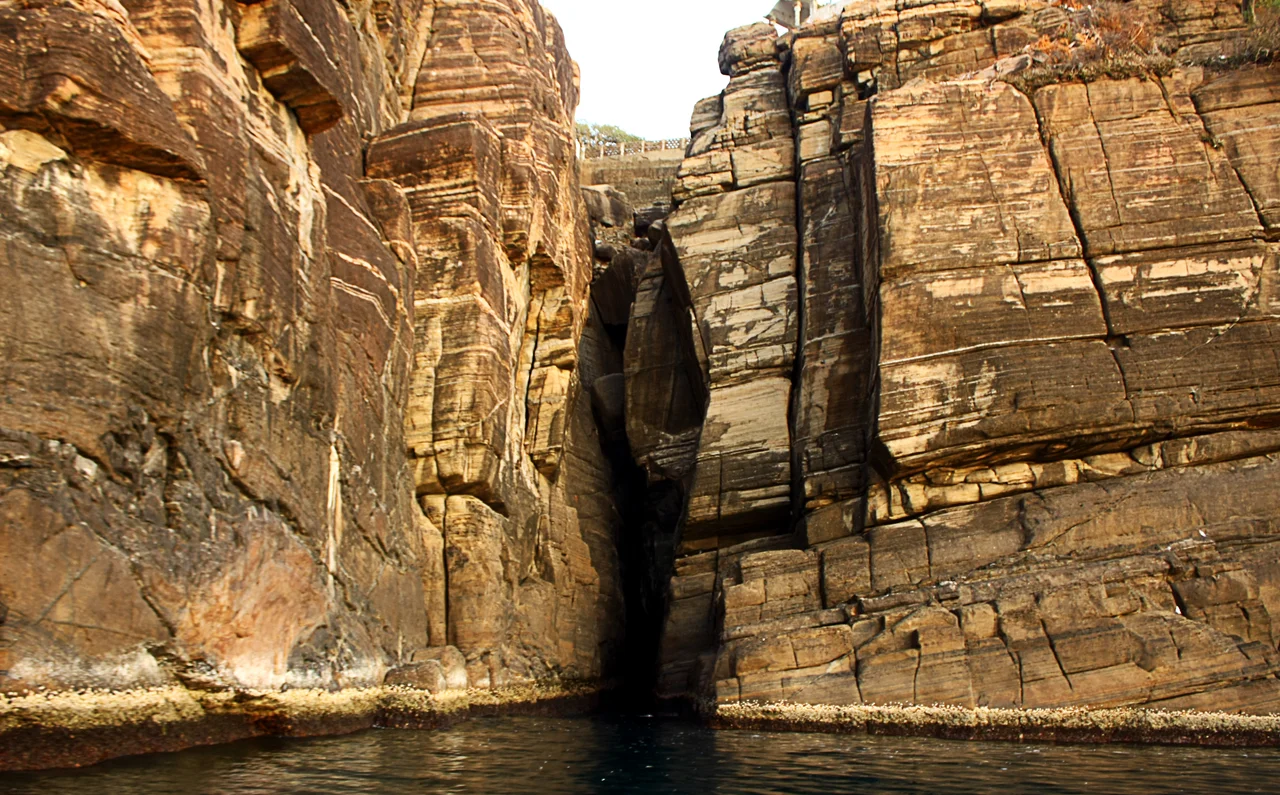
A dramatic headland rising 100 meters above the sea, topped by the ancient Koneswaram Temple complex. From the boat, passengers can view the sheer cliff face known as Lovers Leap where colonial officers once stood.
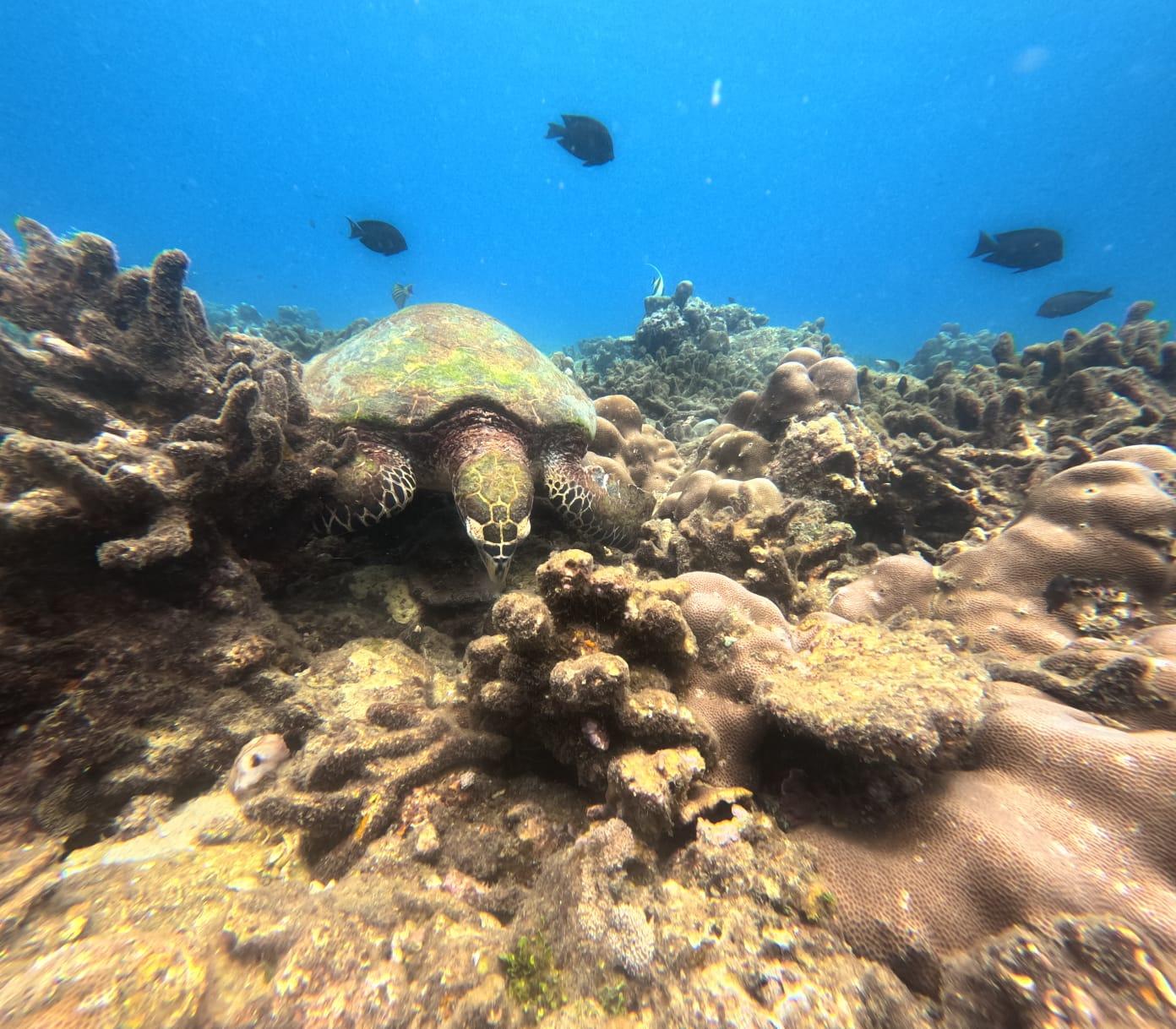
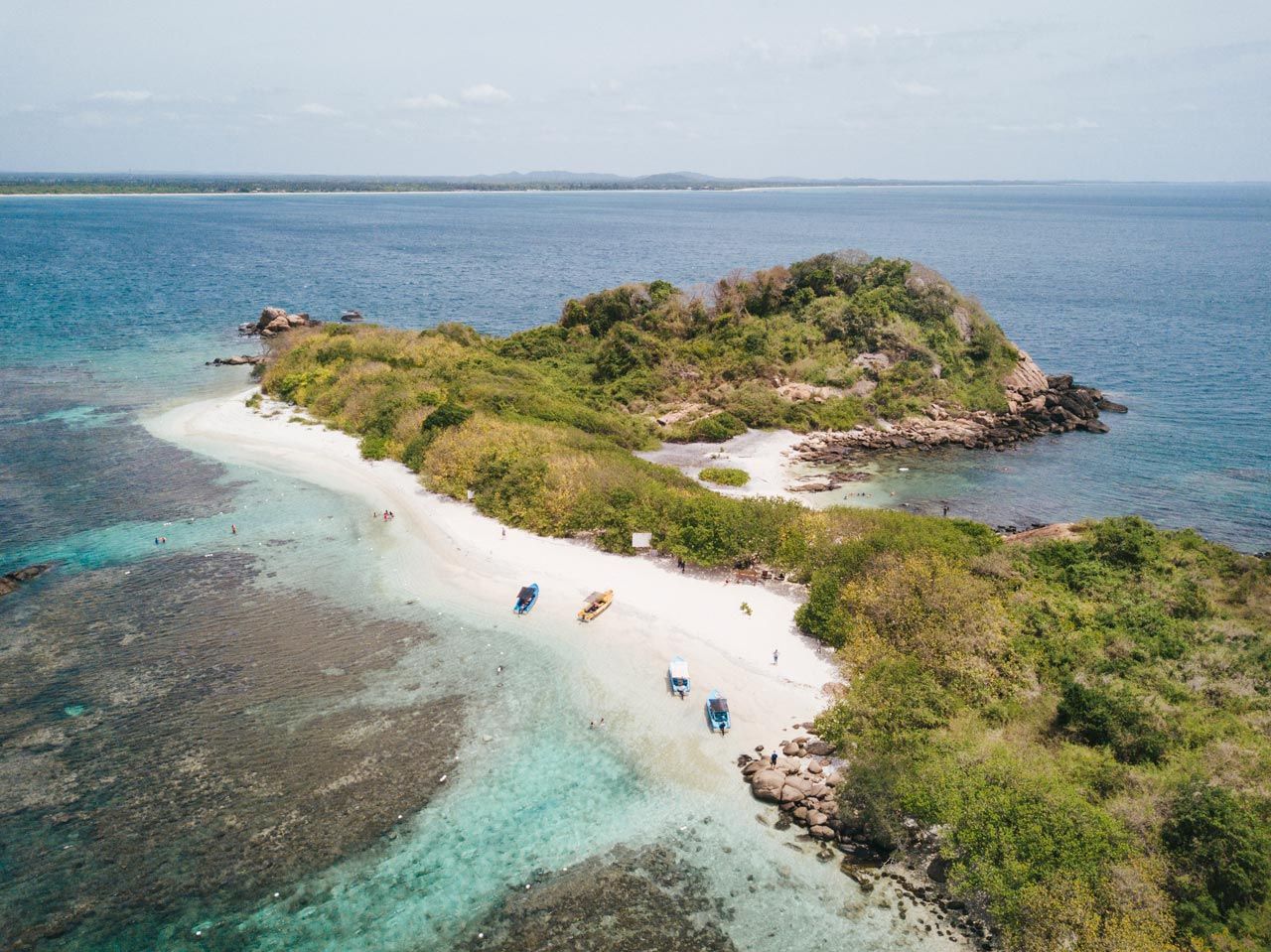
A marine sanctuary located 1 kilometer off the Nilaveli coast, containing over 100 species of corals and 300 reef fish species. Boat tours cruise past the shallow reefs where blacktip reef sharks can often be seen swimming.
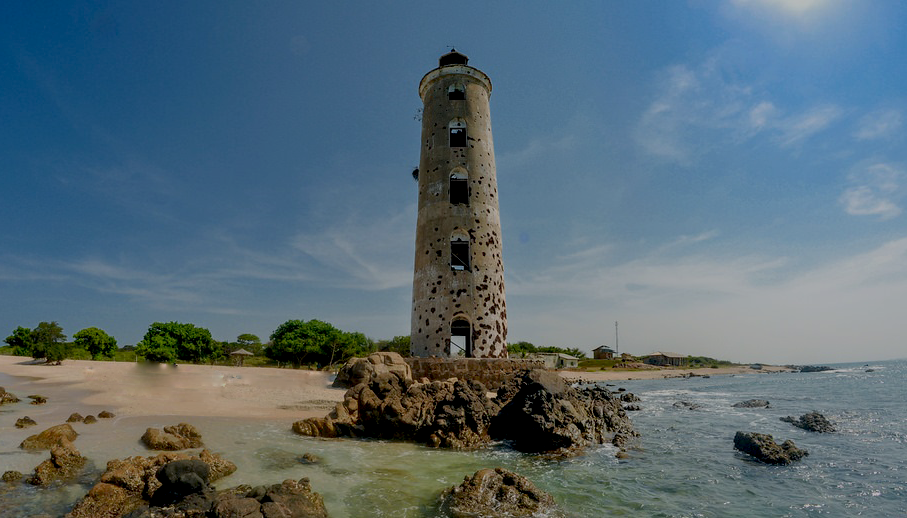
Constructed in 1863, this 32-meter-tall white tower stands at the outer harbor entrance. The surrounding shallow waters are a prime feeding ground for pods of spinner dolphins.
A low-lying granite formation shaped like a resting reptile, situated in the outer bay. The surrounding deep trench drops quickly to over 1,000 meters, making it a hotspot for migrating sperm whales.
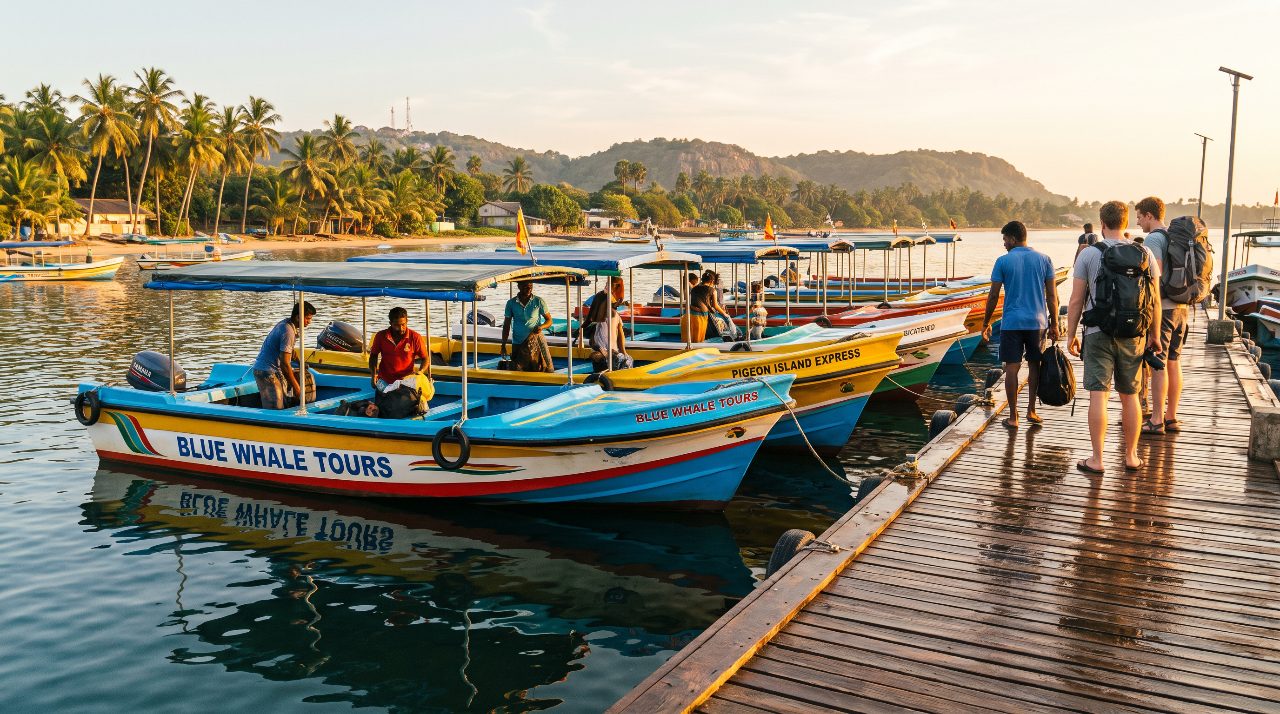
You reach Nilaveli Beach in the dark, aiming for the 05:30–06:00 arrival window when the sea lies calmest and sightings are most likely before the sun warms the water. A crew member checks your name, hands you a life jacket, and points you across the sand to a waiting boat.
You step aboard as the engine coughs to life, and the harbour lights slide away behind Swami Rock.
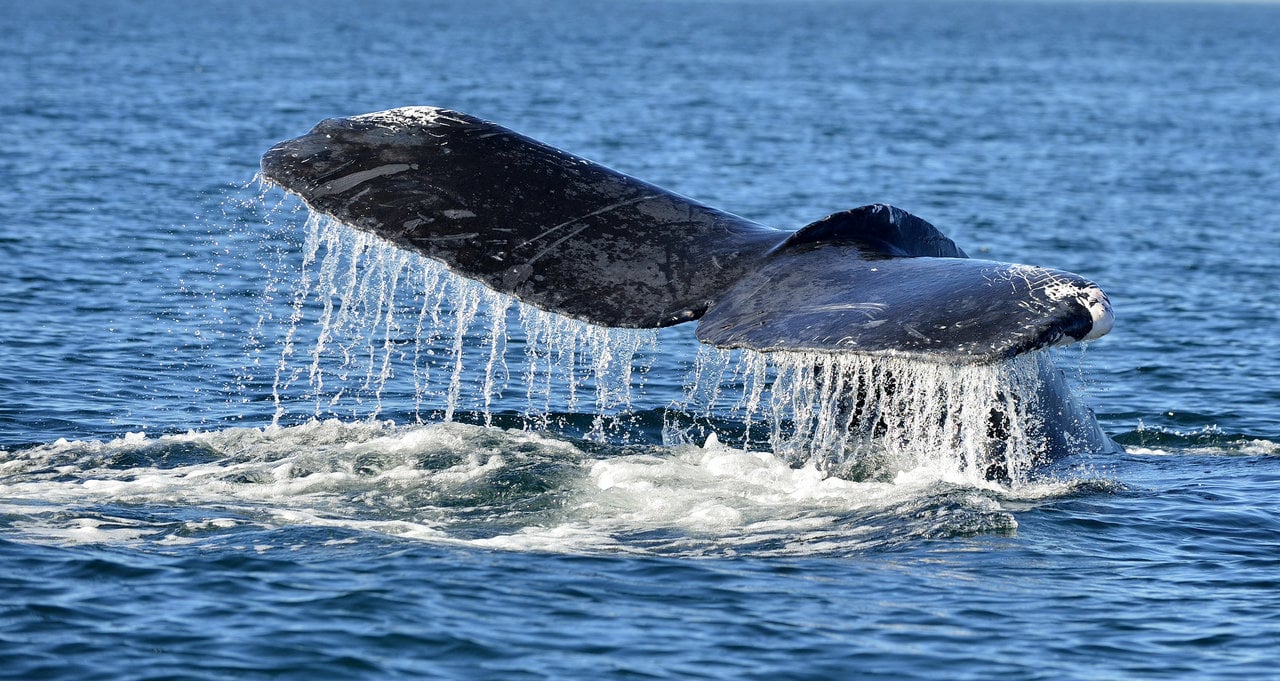
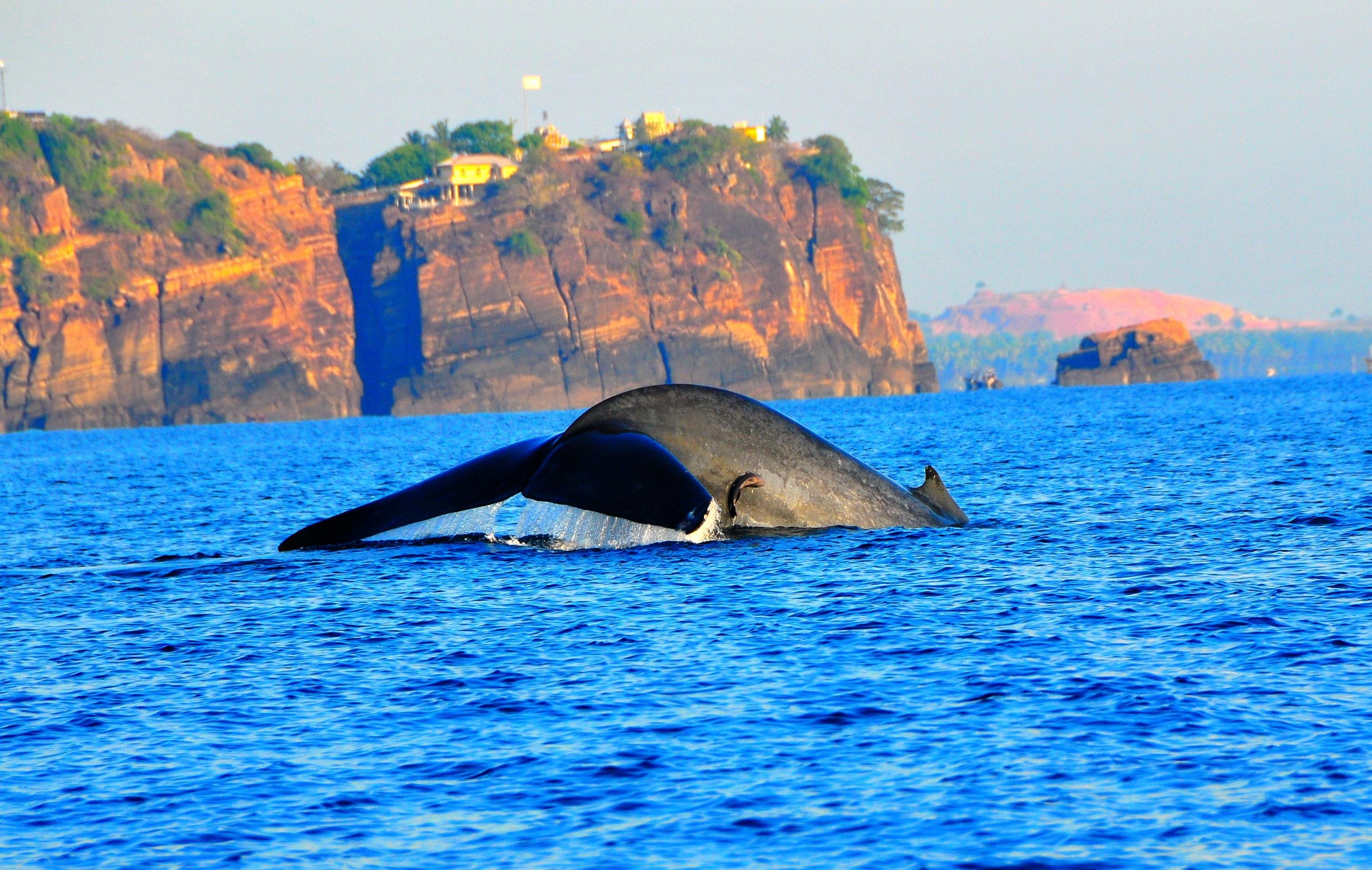
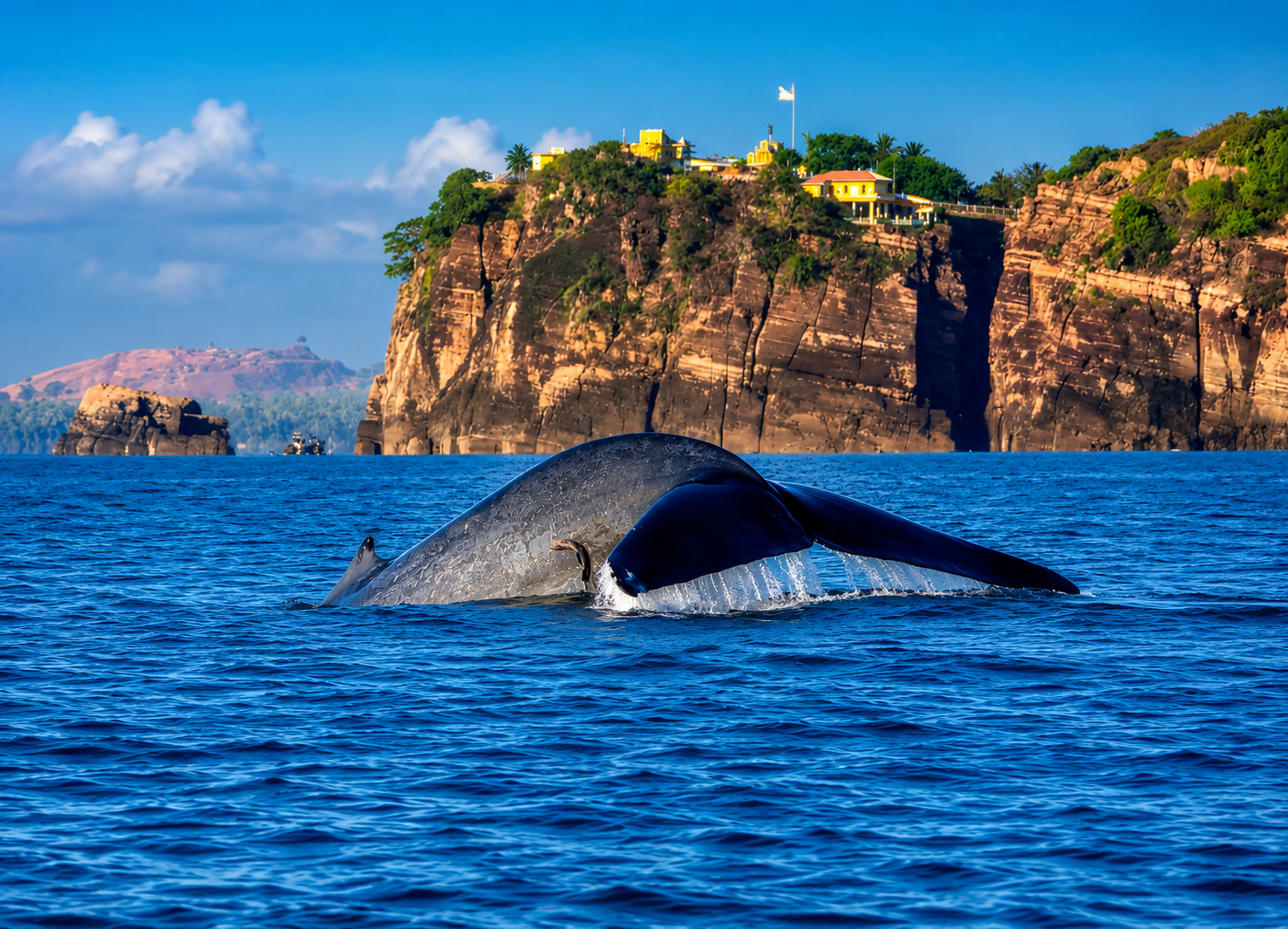
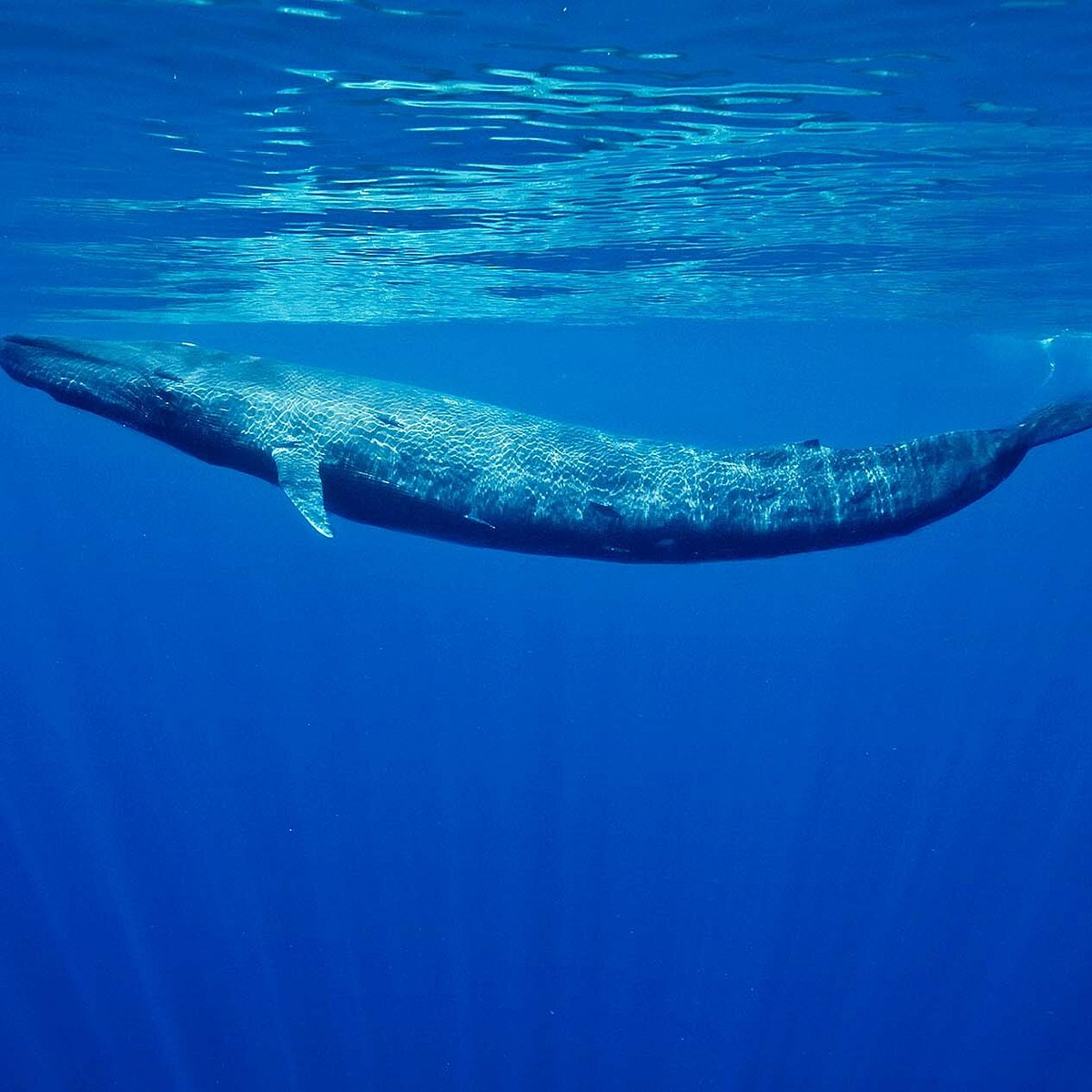
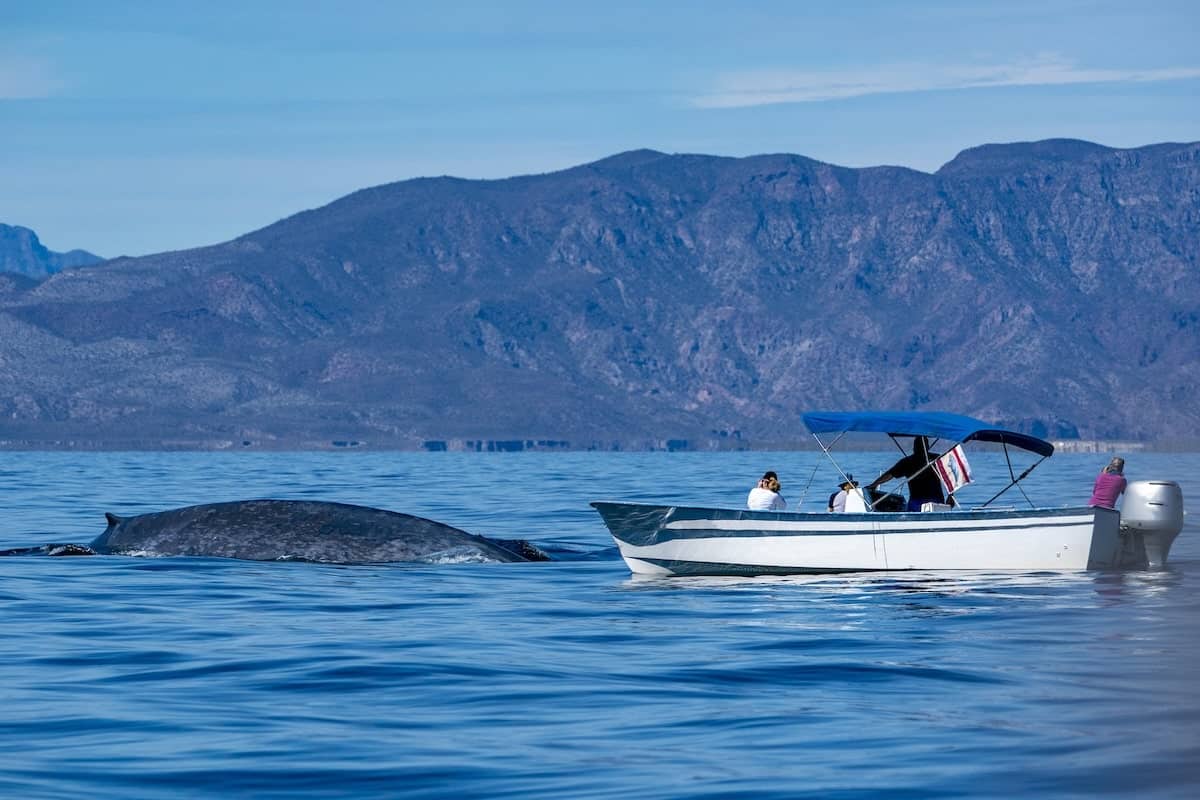
For the first twenty minutes you see only grey water and the pale line of the coast. Then the skipper cuts the engine. You wait. Someone points; a tall, misty blow hangs above the surface, and a blue whale rolls into view, longer than the boat itself. You steady your camera against the rail, feel the swell lift and drop, and watch the fluke rise before the dive.
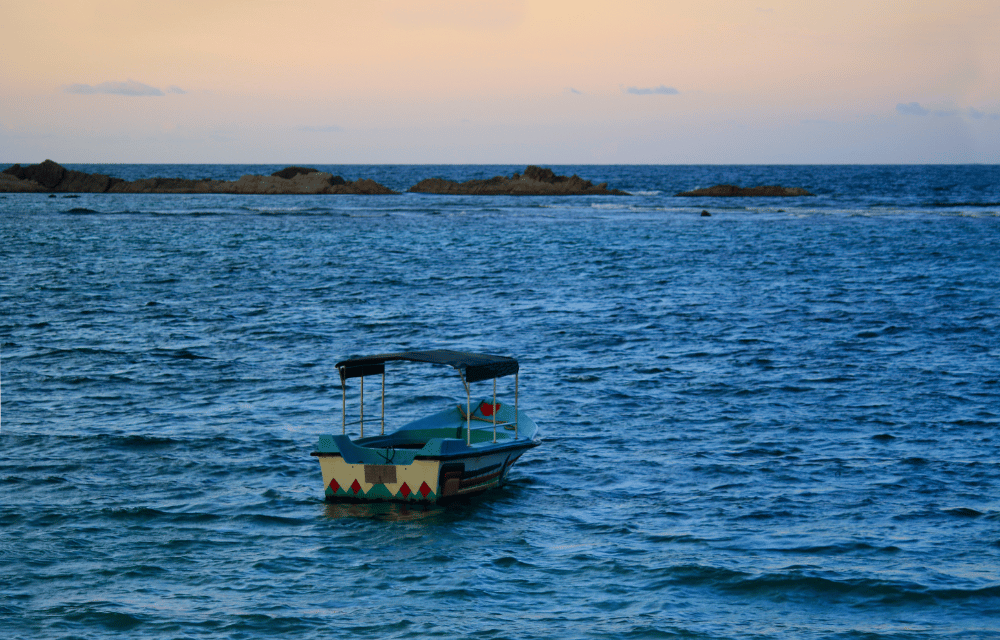
Most Trincomalee Whale Watching Tours tours run three to four hours, looping back once the pod moves on. A shared trincomalee whale watching boat keeps costs down; you trade elbow room for the same horizon. By nine you are back on the sand, salt-dried and quiet, the coastline already softening in the heat. You peel off the life jacket, and the guide notes where the whales were seen for tomorrow's crews.
All the details about your upcoming adventure in one place
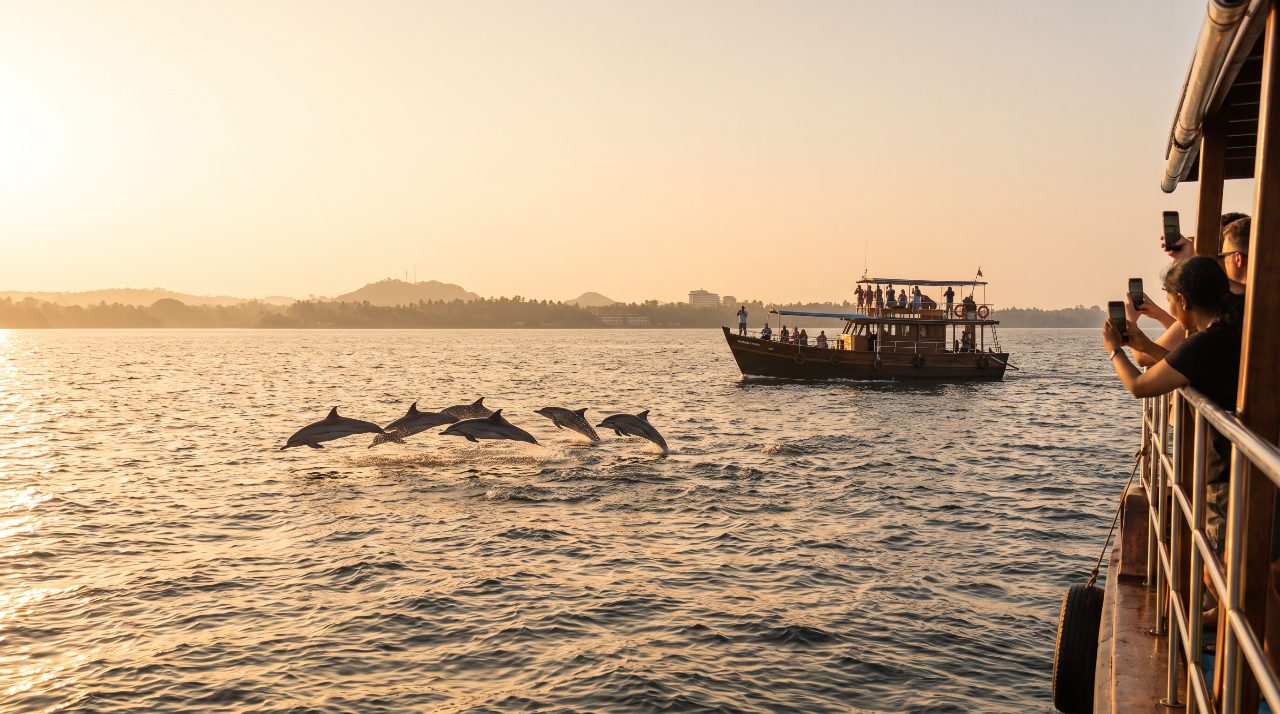
Trincomalee whale watching tours set out from the harbour into the Bay of Bengal, where blue whales and spinner dolphins gather along the deep continental shelf just offshore. Guided by local skippers who read the currents and follow spouts and fluke prints, these boat safaris pair marine spotting with calm morning seas. Booking trincomalee whale watching tours tickets in advance secures a spot on the smaller vessels, and a Trincomalee marine safari often adds seabird sightings near Pigeon Island.
The seabed off Trincomalee drops from shallow reef to more than a thousand metres within a few kilometres of shore, and that submarine trench is the reason blue whales gather here. Trincomalee whale watching tours trace this underwater canyon, where cold, nutrient-rich water rises to meet the warm Bay of Bengal.
Nowhere else does the shelf edge sit so near a working harbour town. The blue whale, the largest animal ever to have lived, moves along this coast in numbers rarely matched anywhere on earth.
The town has watched the sea for two thousand years. Its natural harbour, among the deepest on the planet, drew Tamil and Sinhala kingdoms and later Portuguese, Dutch and British fleets, all anchoring beneath the red cliffs of Swami Rock and the temple of Koneswaram. A modern Trincomalee Whale Watching Tours tour now turns at the same headland that once guided warships, heading north toward the feeding grounds off Nilaveli. Fishermen here read the whales long before marine biologists did, following the currents that carried both their catch and the giants.
Science confirmed the resident population only in recent decades. The trincomalee whale watching season now runs broadly from March to August, when the sea flattens and sperm whales, spinner dolphins and the occasional Bryde's whale share the water; a trincomalee whale watching september window sometimes lingers as the southwest monsoon eases. The Sri Lanka Navy and licensed local crews operate the trincomalee whale watching boat fleet from the harbour and Nilaveli, and Trincomalee Whale Watching Tours tickets are issued by each operator rather than through a single gate.
What distinguishes this coast is proximity. The shelf edge lies close enough that a single morning on the water is often enough, where other seas demand hours of open crossing. Plankton blooms driven by upwelling feed the krill, the krill feed the giants, and the whole chain unfolds within sight of Fort Frederick. Over two decades, Trincomalee whale watching tours have grown from a handful of fishing skiffs into a regulated fleet, yet the essential encounter is unchanged: a blow on the horizon, a dark back breaking the surface, and the long, slow arc of a fluke against the morning light.

A blow on the horizon, a dark back breaking the surface, and the long, slow arc of a fluke against the light.
There is no formal dress code for Trincomalee whale watching tours, but loose, comfortable clothing is recommended. Avoid wearing long, flowing garments that could present tripping hazards during boarding.
Security staff at the boarding docks inspect all bags carried onto Trincomalee whale watching tours. Passengers must leave heavy baggage at their hotel and carry only essential items in waterproof bags.
Photography is allowed, and bringing a telephoto lens is recommended for capturing marine animals at a safe distance. Protect your camera gear with waterproof sleeves to prevent salt spray damage.
During Trincomalee whale watching tours, children must wear life jackets at all times. The tour is not recommended for children under 5 years of age due to the long duration and motion.
For safety reasons, Trincomalee whale watching tours are not recommended for visitors with severe back pain. The small boats can bump heavily on the waves, and there are no wheelchair facilities.
Some tours provide light refreshments, but you should bring extra drinking water. Avoid eating a heavy meal right before the boat ride to reduce sea sickness.
Calmest morning water
Morning departures at sunrise
Lightest weekday crowds
Standard sailing schedule
Moderate weekend crowds
High weekend visitor volume
Navy passenger sailings run today
Operating Hours
05:30–18:00
Departure Point
Trincomalee Harbour / Nilaveli Beach, Trincomalee, Sri Lanka
Best Arrival Window
05:30–06:00 — Calmer seas and higher probability of whale sightings before the sun warms the water
Boarding Info
Vessel boarding requires step assistance; not wheelchair-friendly
Baggage Allowance
Hand luggage only; no large suitcases
Taxi · 20 mins · LKR 1,500 – 3,000
When planning to join Trincomalee whale watching tours, you can take a taxi directly to the harbor.
Public transport · 40 mins · LKR 100 – 200
Take the local bus route 890 from the Trincomalee Bus Depot towards Pulmoddai and disembark at the Nilaveli junction, followed by a short walk.
Car · 15 mins · Fuel costs vary
Drive north from Trincomalee town via the Pulmoddai Road (B424) and turn right at Beach Road to reach the main Nilaveli parking area.
Standard bookings for a Trincomalee whale watching tours tour must be cancelled at least 24 hours prior to departure for a full refund. Under rough sea conditions, operators cancel trips and offer a full refund of the price while the entry area fee remains 0 LKR.
Recommended time
2-3 hours
Booking an early Trincomalee marine mammal excursion is highly recommended for visiting nature enthusiasts, as experienced local boat captains navigate the deep outer waters of the Indian Ocean to locate majestic blue whales in their natural offshore habitats. Opting for a certified provider of trincomalee whale watching tours ensures a safe, regulated journey that departs from the dock during the recommended 05:30–06:00 arrival window, which is the timeframe when the sea remains calmest and overall visibility is at its peak. This morning ocean voyage typically lasts between three and four hours depending on marine life activity, meaning travellers should prepare for several hours of scanning the water and potential boarding queues at the harbor. Choosing this specific trincomalee whale watching tours tour allows you to return comfortably to the harbour departure areas before the intense midday heat begins to rise, leaving your entire afternoon free for additional coastal sightseeing.
Crowd levels through the day
Weather · crowds · average price — dots go green to amber to red as each metric rises.
This period marks the start of the calm sea season in Trincomalee, offering high chances of spotting migrating blue whales. Morning temperatures average 28°C (82°F) with light winds.
Peak viewing season for sperm whales and massive pods of spinner dolphins off the continental shelf. The sea is exceptionally flat, making it easier to spot whale spouts.
The final month of the calm water season before the monsoon changes direction. Visitor numbers are lower, but sighting chances remain high for resident marine mammals.
The off-season due to the northeast monsoon, bringing rough seas and frequent rain. Most operators suspend boat excursions and relocate to the southern coast of Sri Lanka.
To make the most of your experience on Trincomalee whale watching tours, book your tickets well in advance during the peak summer months.
Take a preventative motion sickness pill about 30 to 60 minutes before boarding the boat. Even on calm days, the swells near the deep continental shelf can cause significant nausea.
Use a neck strap for your camera and carry a dry bag to protect your electronics from sudden ocean spray. Saltwater can easily ruin expensive lenses and camera bodies.
Protect your skin while protecting the delicate marine environment by using biodegradable, reef-safe sunscreen. Traditional sunscreens contain chemicals that harm coral reefs and marine life.
Expect to get wet from ocean spray, especially when traveling in smaller speedboats. Wear quick-drying clothing and bring a light windbreaker to stay warm if the breeze gets cool.
Ensure your boat operator adheres to international whale-watching regulations. Boats should maintain a distance of at least 100 meters from the animals and never block their path.
Naval Dockyard, Trincomalee, Sri Lanka
The primary departure point for larger Sri Lanka Navy passenger vessels.
Get directions
Beach Road, Nilaveli, Trincomalee, Sri Lanka
The departure point for smaller speedboat charters heading to Pigeon Island and deep waters.
Get directions
Embarking on trincomalee whale watching tours with your family offers a thrilling way to spot blue whales and massive pods of spinner dolphins in their natural habitat. However, navigating the open waters of the Indian Ocean requires careful preparation to ensure younger children remain safe, dry, and comfortable during the excursion.
While some operators permit toddlers, children aged 5 and older get the most out of this marine safari. Younger kids often struggle with the long hours at sea, so compare carefully when choosing between trincomalee whale watching tours tours.
The open ocean swells can easily upset sensitive stomachs. Administer pediatric motion sickness tablets before boarding your trincomalee whale watching tours tour and carry light, dry snacks like crackers.
All reputable operators provide life jackets, but sizes for toddlers can sometimes be limited or worn. Consider bringing your own fitted life jacket for young children to ensure a secure, snug fit during the entire journey at sea.
When purchasing your trincomalee whale watching tours tickets, opt for larger passenger vessels. These options offer a more stable platform than small speedboats, which can bounce aggressively on the waves.
Real experiences from real travelers
We booked one of the trincomalee whale watching tours for the 6am departure and it paid off. About forty minutes out the crew cut the engine and a blue whale surfaced twice, close enough to hear the blow. Sea was flat and the light was soft, ideal for photos.
The Trincomalee boat tour left right on time from the harbour and the skipper clearly knew the feeding grounds. We saw a mother and calf plus a big pod of spinner dolphins riding our bow wave. Bring a hat, the sun gets strong by nine.
Water off Swami Rock was rougher than I expected in the afternoon so I was glad I took a tablet beforehand. Still, we spotted a sperm whale and the guide explained the migration patterns really well. Would go earlier in the day next time.
Booking trincomalee whale watching tours tickets ahead meant we skipped the scramble at the jetty. The Indian Ocean was like glass and a blue whale fluked right in front of us. The crew handed out water and kept everyone steady on the deck.
As a local I still love these trincomalee whale watching tours during the season. We had dolphins for a solid twenty minutes and a distant blue whale spout near the continental shelf. The boat was clean and the life jackets were in good shape.
Morning air was cool and the sea was calm when we set off from Trincomalee harbour. Hundreds of spinner dolphins surrounded the boat, spinning right out of the water. The guide pointed out Swami Rock on the way back which was a nice bonus.
It took a while to find them, roughly two hours scanning the horizon, but the blue whale sighting made it worth it. This Trincomalee whale watching tour felt well run and safety was taken seriously. Pack sunscreen and something for motion sickness.
One of the better trincomalee whale watching tours tours I have done across Asia. We had a blue whale, a sperm whale and dolphins in a single morning off the deep waters near the shelf. Sunrise over the water on the ride out was the quiet highlight.
Off-season worries were unfounded, the sea was calm and we found a blue whale within the hour. The crew on our trincomalee whale watching tours tour were friendly and knew exactly where to look. Loved seeing the Trincomalee coastline glow at first light.
Our morning got cut short by wind and we only glimpsed dolphins in the distance. The Trincomalee excursion crew were honest about conditions and offered good advice. If the sea looks rough, consider rescheduling for calmer water.
Everything you need to know for your journey
The operating hours for Trincomalee whale watching tours are 05:30–18:00 daily. Boats typically set sail early in the morning when the water is calmest.
You can book Trincomalee whale watching tours tickets directly through authorized private operators online or visit the official Sri Lanka Navy ticketing office. The base entry fee to the dockyard is 0 LKR, though boat excursion costs vary.
The best arrival window is 05:30–06:00, which aligns with calmer seas and a higher probability of whale sightings. Early morning departures ensure you are on the water before the sun warms the ocean surface.
Unfortunately, Trincomalee whale watching tours are not wheelchair-accessible. Boarding the vessels requires stepping onto moving boats and navigating narrow steps, which may be difficult for guests with limited mobility.
Items such as drones, single-use plastics, alcohol, and large luggage are prohibited on Trincomalee whale watching tours. Security personnel check bags at the pier before boarding.
Yes, photography is highly encouraged during a Trincomalee blue whale watching tour to capture the marine wildlife. However, using drones or flash photography near the mammals is strictly prohibited.
The dress code for a Nilaveli Beach whale watching boat trip is casual and comfortable. Wearing lightweight clothing, a sun hat, and non-slip footwear will help you stay comfortable and secure on the boat.
Most private operators and navy vessels provide a light snack pack and bottled water during Trincomalee whale watching tours. However, bringing your own hydration and light snacks is always recommended.
Departures occur at either Trincomalee Harbour or Nilaveli Beach, Trincomalee, Sri Lanka. You can easily reach these locations by taxi, tuk-tuk, or local bus from Trincomalee town center.
A Trincomalee ocean mammal safari is generally suitable for children over the age of six. Keep in mind that boat rides can last several hours on choppy waters, so prepare accordingly for motion sickness.
A historic fortress built by the Portuguese in 1624, now occupied by the Sri Lankan military and home to roaming deer.
A classical medieval Hindu temple complex built atop Swami Rock, offering panoramas of the Trincomalee harbor.
A sheer cliff face drop of over 100 meters, adjacent to Koneswaram Temple, steeped in local folklore.
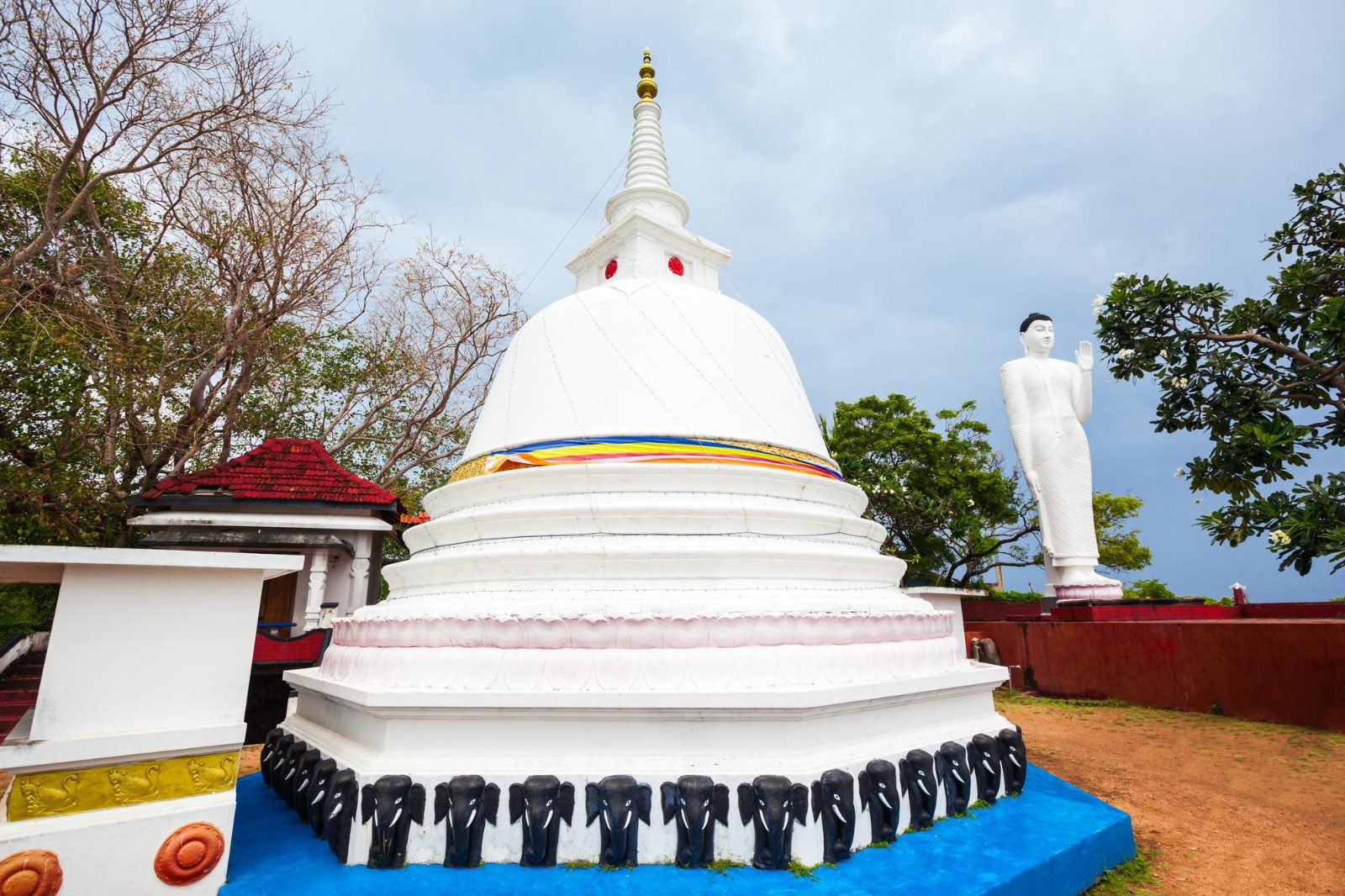
A Buddhist temple located at the entrance to the inner harbor, featuring a massive white Buddha statue.
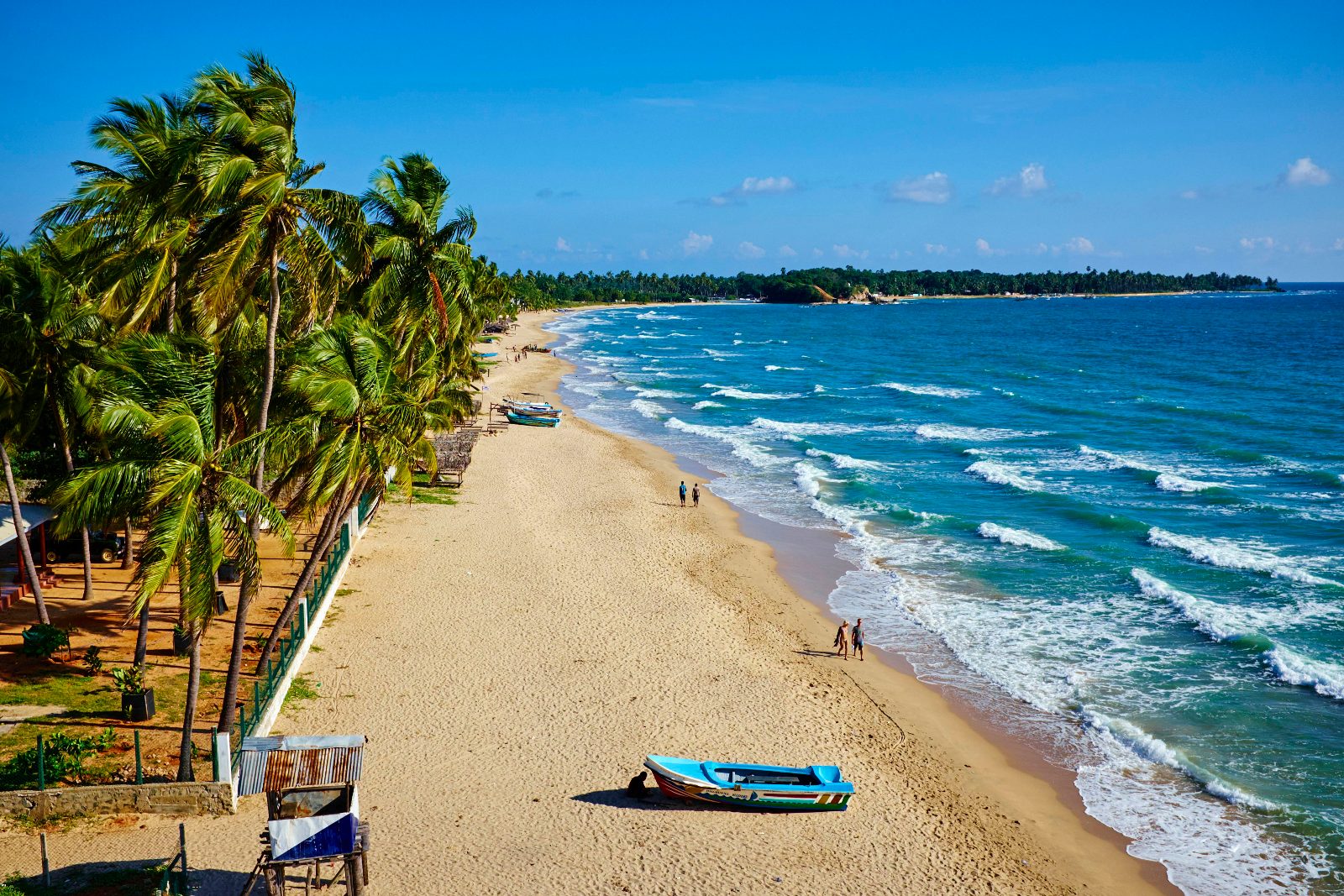
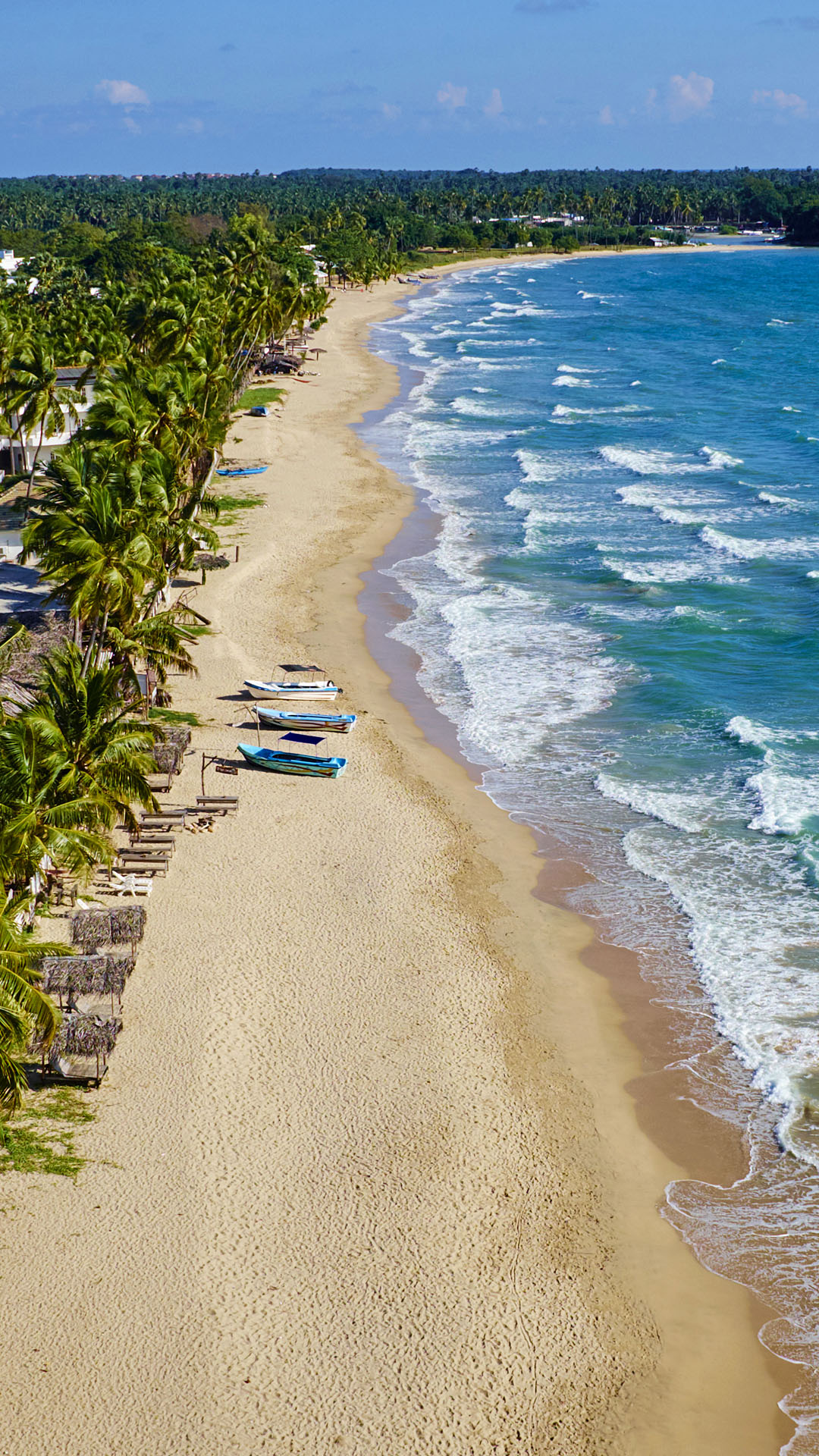
A golden-sand beach north of the town center, dotted with local seafood restaurants and diving shops.
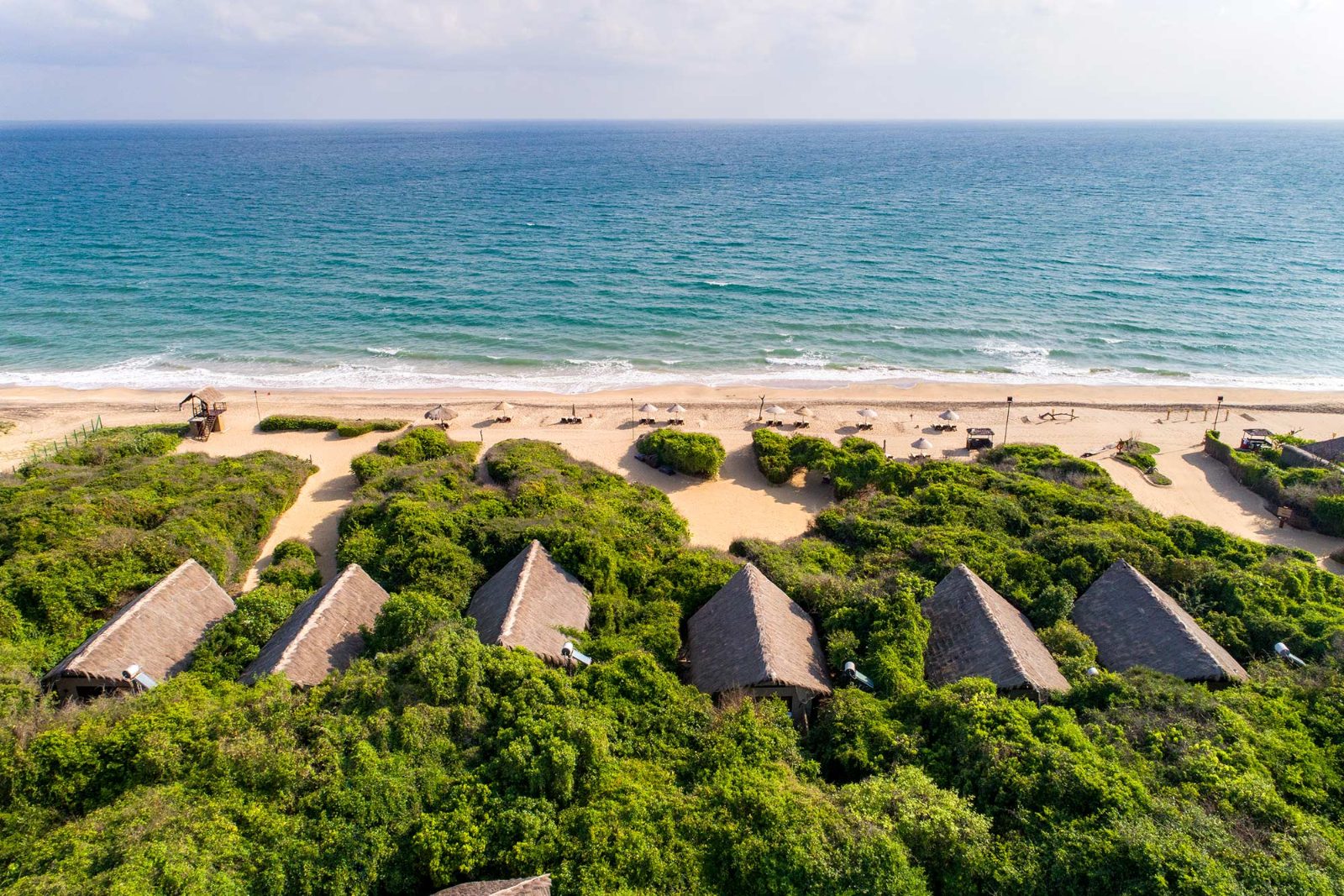
A premium eco-resort nestled between the lagoon and the beach, featuring private cabins and fine dining.
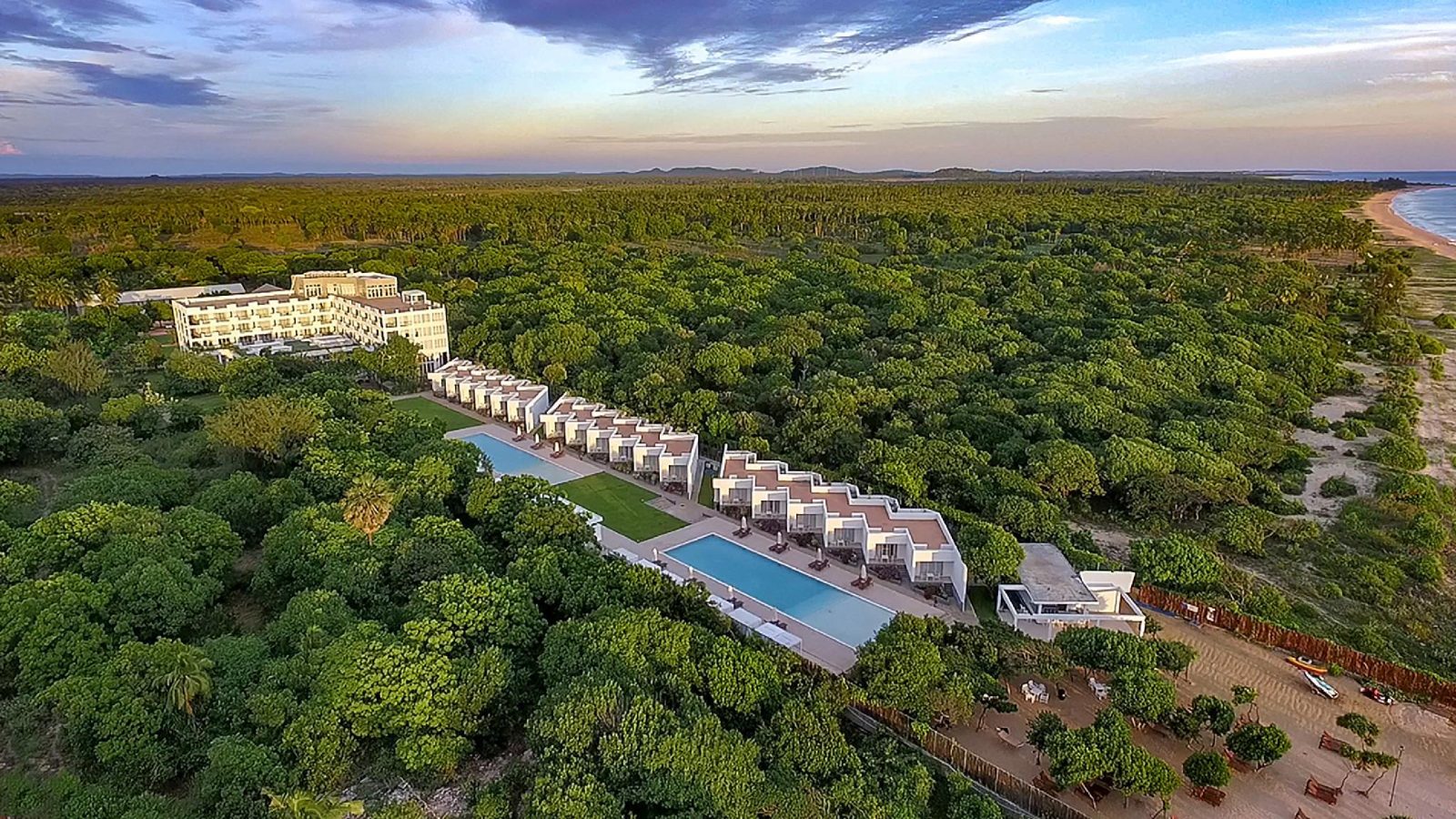
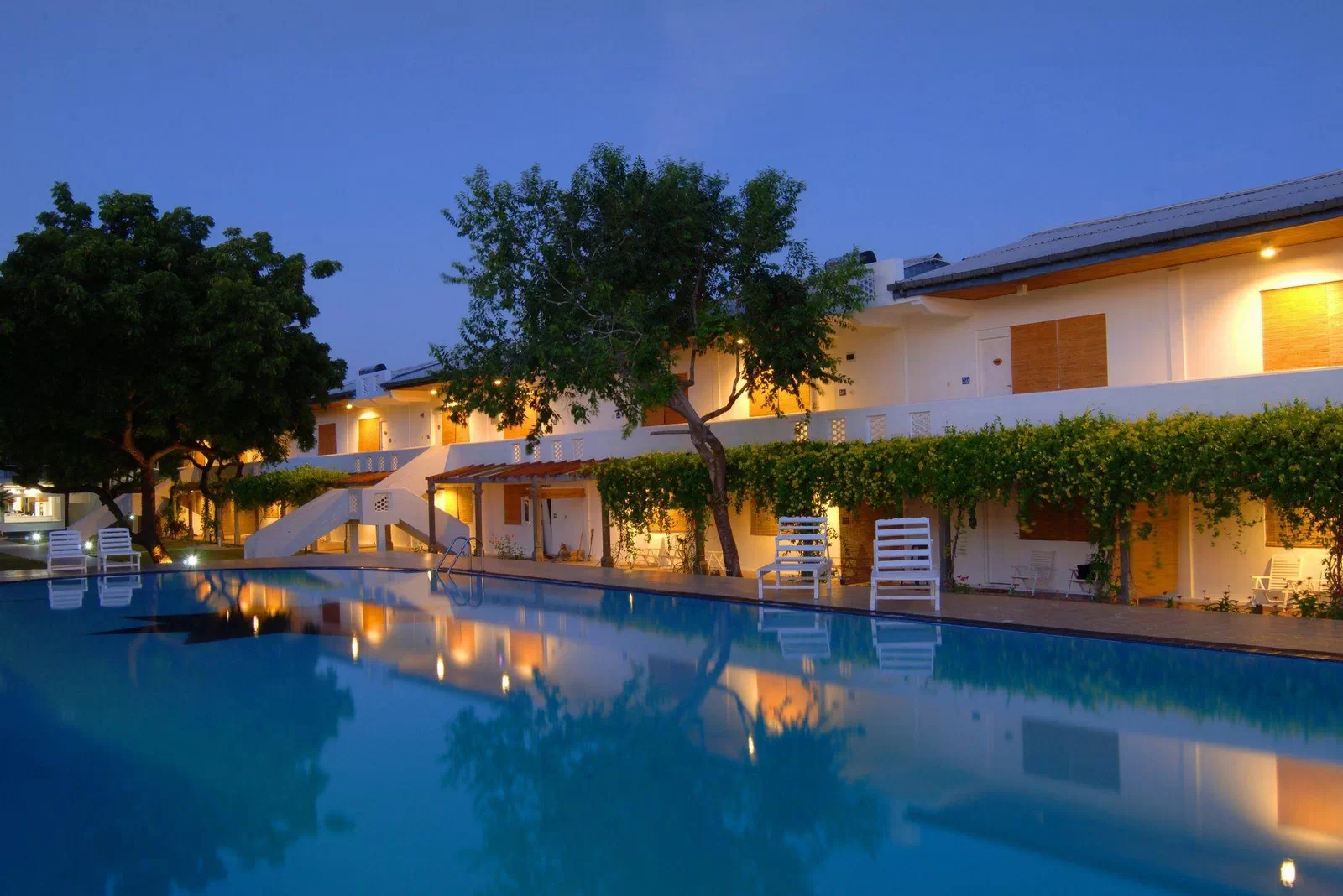
A contemporary beachfront hotel offering spacious sea-view rooms, two swimming pools, and direct beach access.
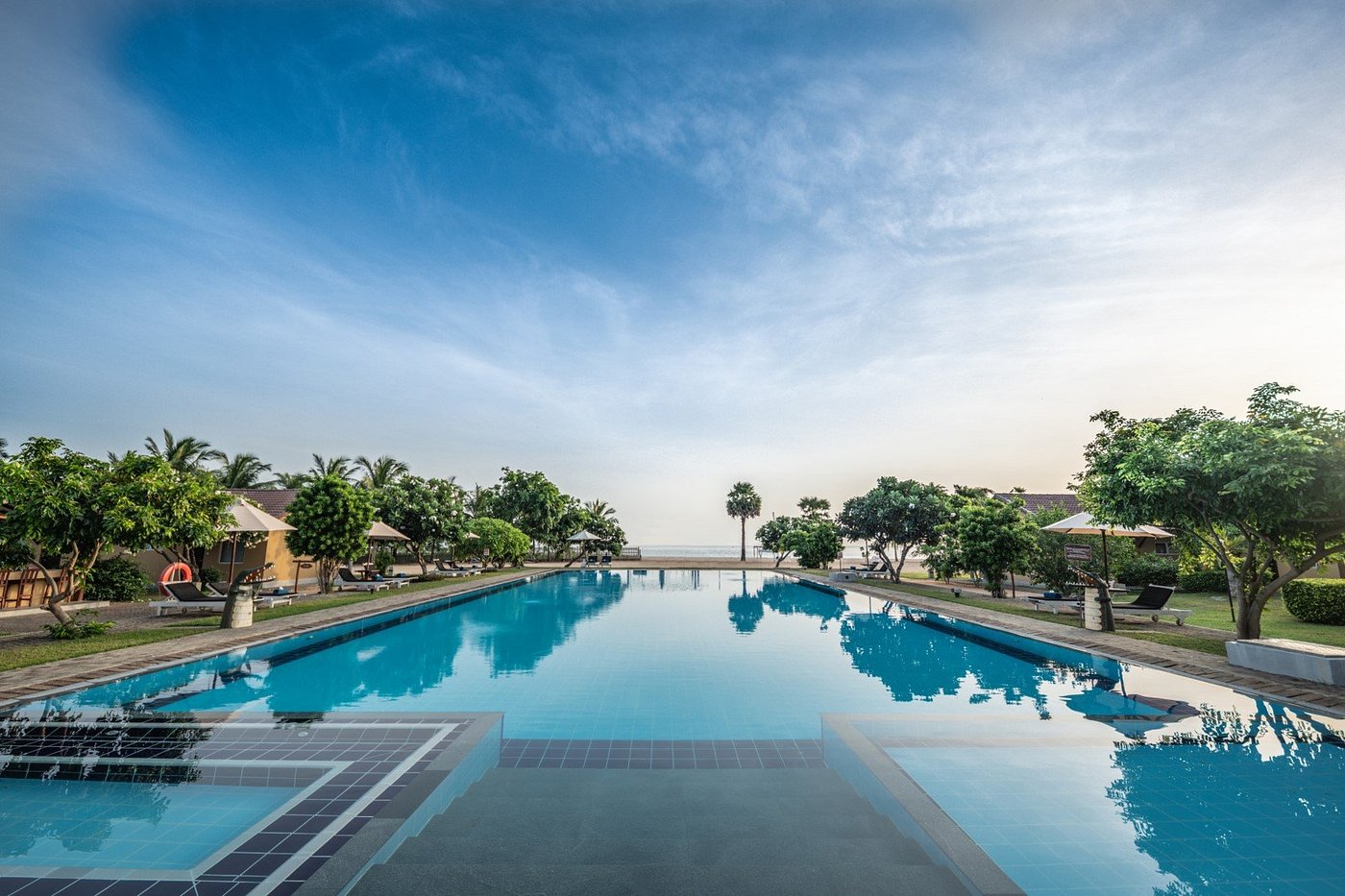
A comfortable resort located directly on Nilaveli Beach, offering a pool, fitness center, and dive organizing.
A relaxed resort featuring river-facing and beachside chalets with rustic designs and an outdoor swimming pool.
Join thousands of happy travelers who have discovered this incredible experience
Book Your Experience Now