Open today · 06:00 – 18:00

Trincomalee Blue Whale Watching

Trincomalee Blue Whale Watching — Dawn Sailings from the Harbour

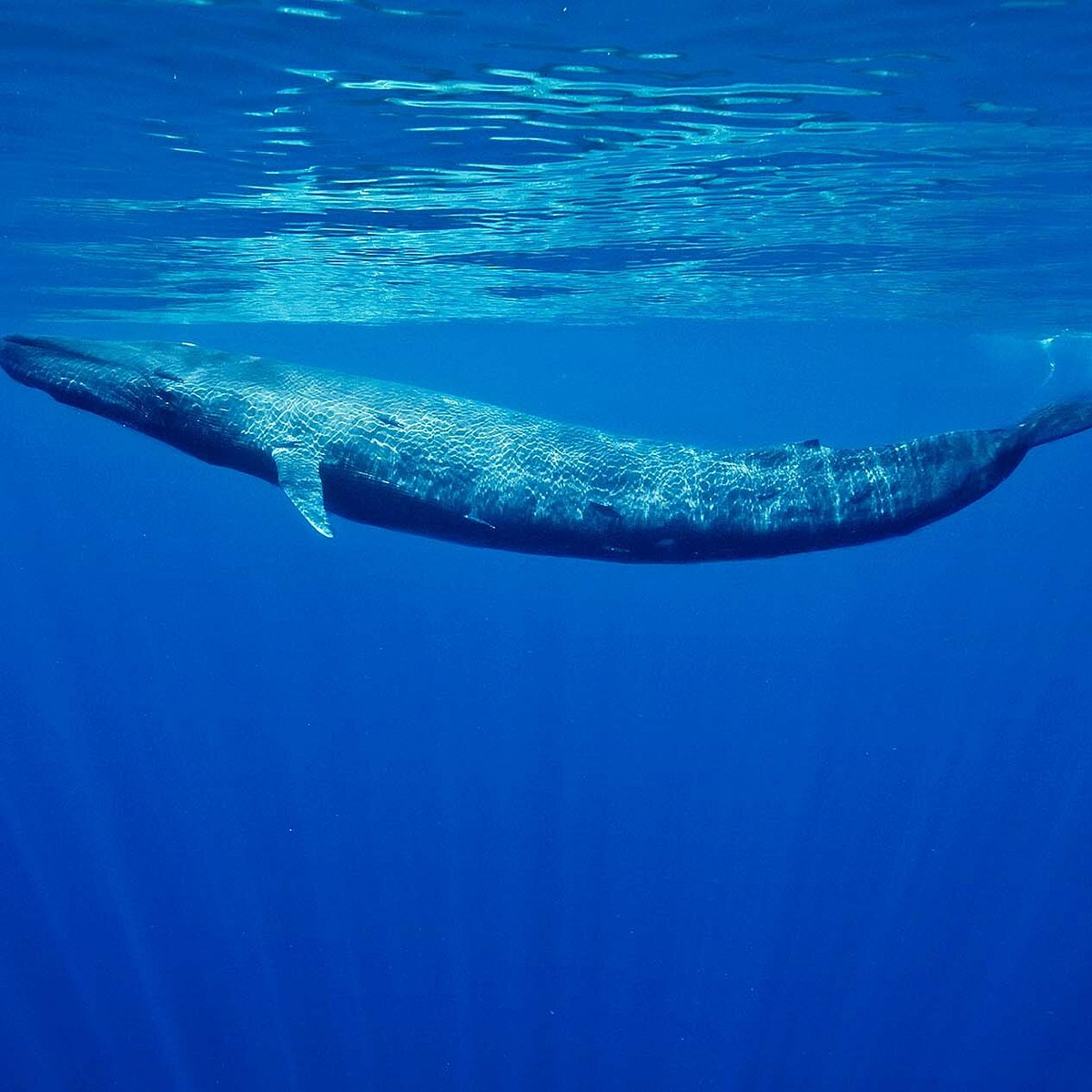
Dawn light on the Bay of Bengal, and the world's largest heart passing beneath.

50K+ travelers chose this
Free Cancellation
Right now: Moderate — summer peak season Arrive by 06:00 for the calmest morning seas.
Free Cancellation
Free cancellation Instant confirmation Mobile voucher Verified partner
30 m
Maximum whale length
The largest animal on Earth
6-8 NM
Distance from shore
Roughly a 30-minute boat ride
1,350 m
Submarine canyon depth
Deep trenches attract marine giants
06:00 AM
Best arrival window
For calm seas and high sightings
Choose your ticket

Trincomalee Blue Whale Watching tickets at a glance

Compare fares, pick the fit — all bookings are mobile-voucher and eligible for free cancellation where shown.

Trincomalee Whale & Dolphin Ocean Safari with Marine Experts 3 hr
Standard Entry

Trincomalee Whale & Dolphin Ocean Safari with Marine Experts

4.2 (85)
€45
  • Entry ticket
  • Mobile voucher
  • Valid same day
  • Free cancellation
Book this ticket
Trincomalee Sunrise Dolphin & Whale Watching Cruise 3 hr
Standard Entry

Trincomalee Sunrise Dolphin & Whale Watching Cruise

3.9 (68)
€21
  • Entry ticket
  • Mobile voucher
  • Valid same day
  • Free cancellation
Book this ticket
Compare options

Compare Trincomalee Blue Whale Watching ticket options

Experience DurationRatingTransfersGuideSmall groupFree cancel. Price
Standard Entry
Most popular
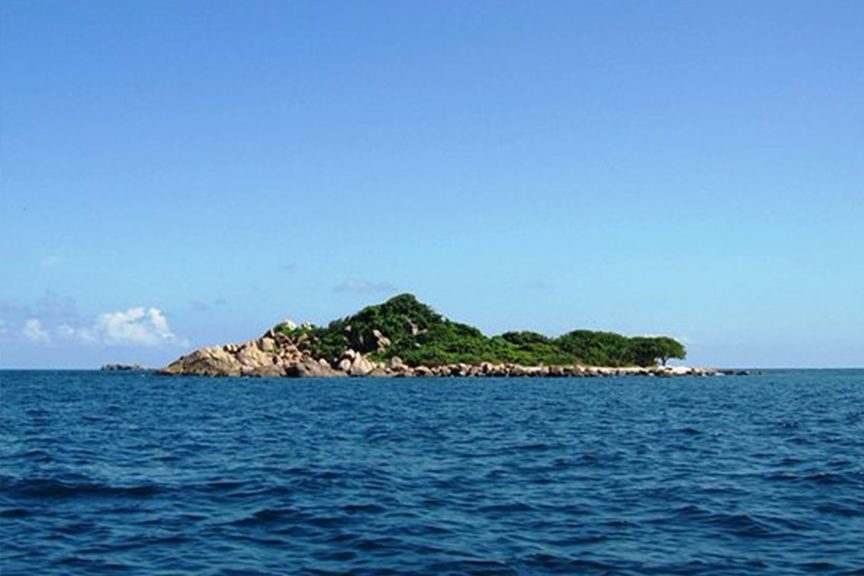
Trincomalee Whale Watching & Navy Island Snorkeling Adventure
5 hr★ 4.4 €60 Book →
Standard Entry
Trincomalee Whale & Dolphin Ocean Safari with Marine Experts
3 hr★ 4.2 €45 Book →
Standard Entry
Trincomalee Sunrise Dolphin & Whale Watching Cruise
3 hr★ 3.9 €21 Book →

Is Trincomalee Blue Whale Watching Worth the Early Morning Departure?

Worth it in season, if seas suit you

Entry to the departure areas at Trincomalee Harbour is free, so trincomalee blue whale watching costs only the boat fare shown in the live grid above — you pay per outing, not per sighting. In season you get a genuine chance at blue and sperm whales, along with spinner dolphin pods, on calm sunrise departures. The listed options run from the Sunrise Dolphin & Whale Watching Cruise to Navy Island and Pigeon Island snorkeling combos, so your fare still buys reef time on a quiet ocean day. Be honest with yourself: this is open water and sightings are never guaranteed. Pick a marine-expert safari if you want context beyond the spotting, or a private charter for space. For nature-minded travellers comfortable on the water, the value holds up well; if you get seasick, weigh that carefully first.

What makes it worth it

  • Free harbour departure access; you pay only the boat fare
  • High in-season odds of blue and sperm whales
  • Sunrise trincomalee blue whale watching tours mean calmer seas
  • Snorkeling combos at Pigeon Island salvage quiet ocean days
  • Guided trincomalee blue whale watching tour adds expert context

Keep in mind

  • Open ocean means real seasickness risk in chop
  • Sightings never guaranteed, especially outside peak season
  • Boat fare sits on top of free entry

Bottom line: For in-season travellers who tolerate boats, trincomalee blue whale watching tickets are money well spent.

Head to head

Trincomalee Blue Whale Watching vs Mirissa: Which Coast is Better?

Choosing a trincomalee blue whale watching tour over a Mirissa excursion depends entirely on the calendar, as the two destinations operate during opposite monsoon seasons.

Top pick
Trincomalee
Mirissa
Best Season November to April
Crowd Levels High
Boat Ride Duration 3 to 5 hours
Ocean Conditions Moderate to rough swells
Primary Marine Life Blue whales, sperm whales, Bryde's whales

Verdict: While Mirissa is the traditional winter hub, opting for trincomalee blue whale watching during the summer offers a quieter experience, making it the preferred choice for those booking trincomalee blue whale watching tickets for local trincomalee blue whale watching tours.

Featured Experiences

Popular Trincomalee Blue Whale Watching tours & activities

Hand-picked experiences loved by thousands of travelers

Recommended Experience

Powered by GetYourGuide

Another traveler favorite

Powered by GetYourGuide
Trincomalee Private Whale Watching & Marine Snorkeling Tour 6 hours Free Cancellation

Trincomalee Private Whale Watching & Marine Snorkeling Tour

Search for whales, watch dolphins, and snorkel alongside reef sharks on a private Trincomalee boat tour.

5 (5)
FromFrom €63.18
See details
Trincomalee Marine Adventure: Whale Watching & Pigeon Island Snorkeling 7 hours Free Cancellation

Trincomalee Marine Adventure: Whale Watching & Pigeon Island Snorkeling

Search for majestic whales and snorkel with reef sharks and turtles on a full-day Sri Lankan marine safari.

4.8 (5)
FromFrom €101.99
See details
Trincomalee Ocean Safari: Whale Watching & Turtle Snorkeling 5 hours Free Cancellation

Trincomalee Ocean Safari: Whale Watching & Turtle Snorkeling

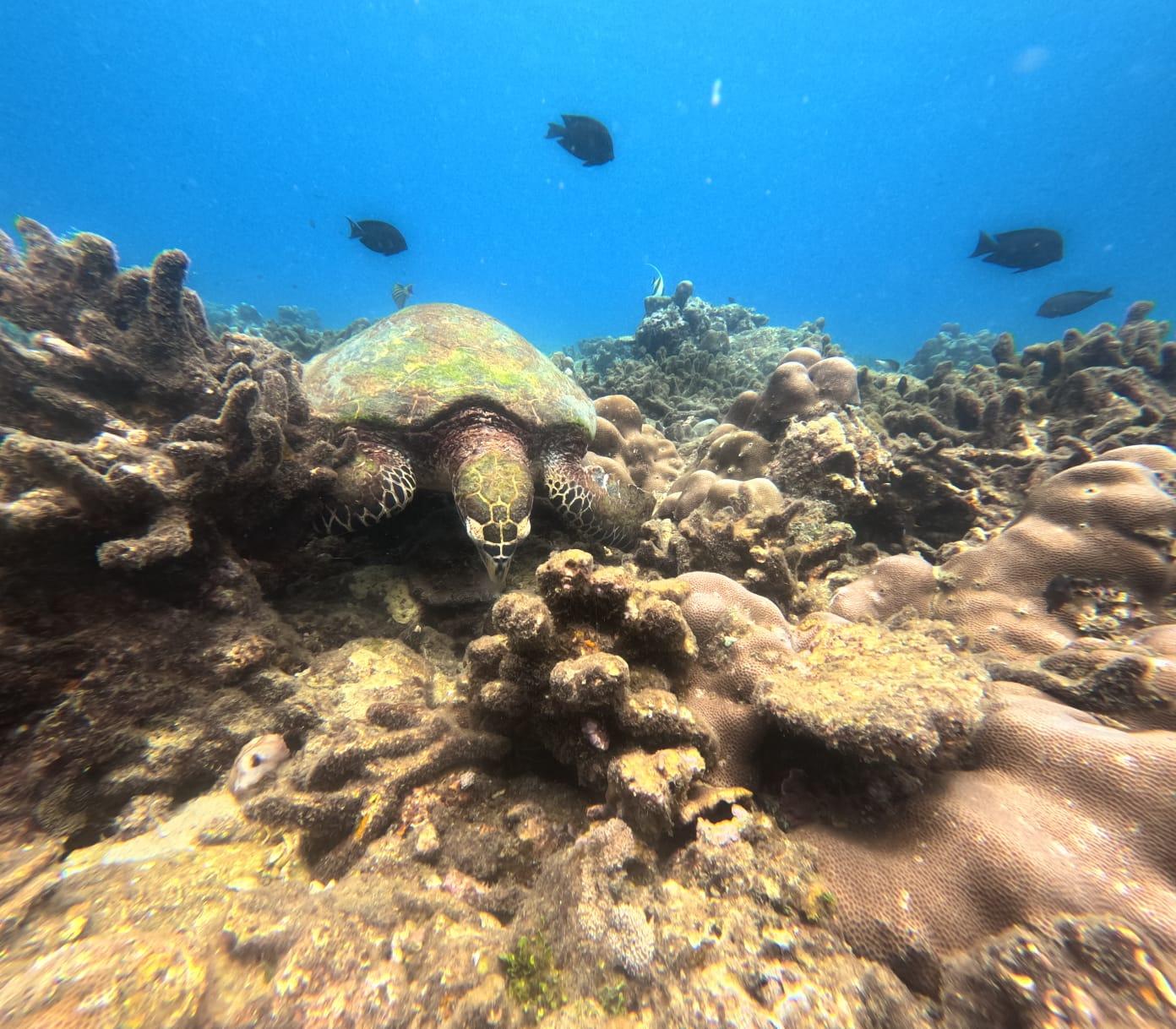
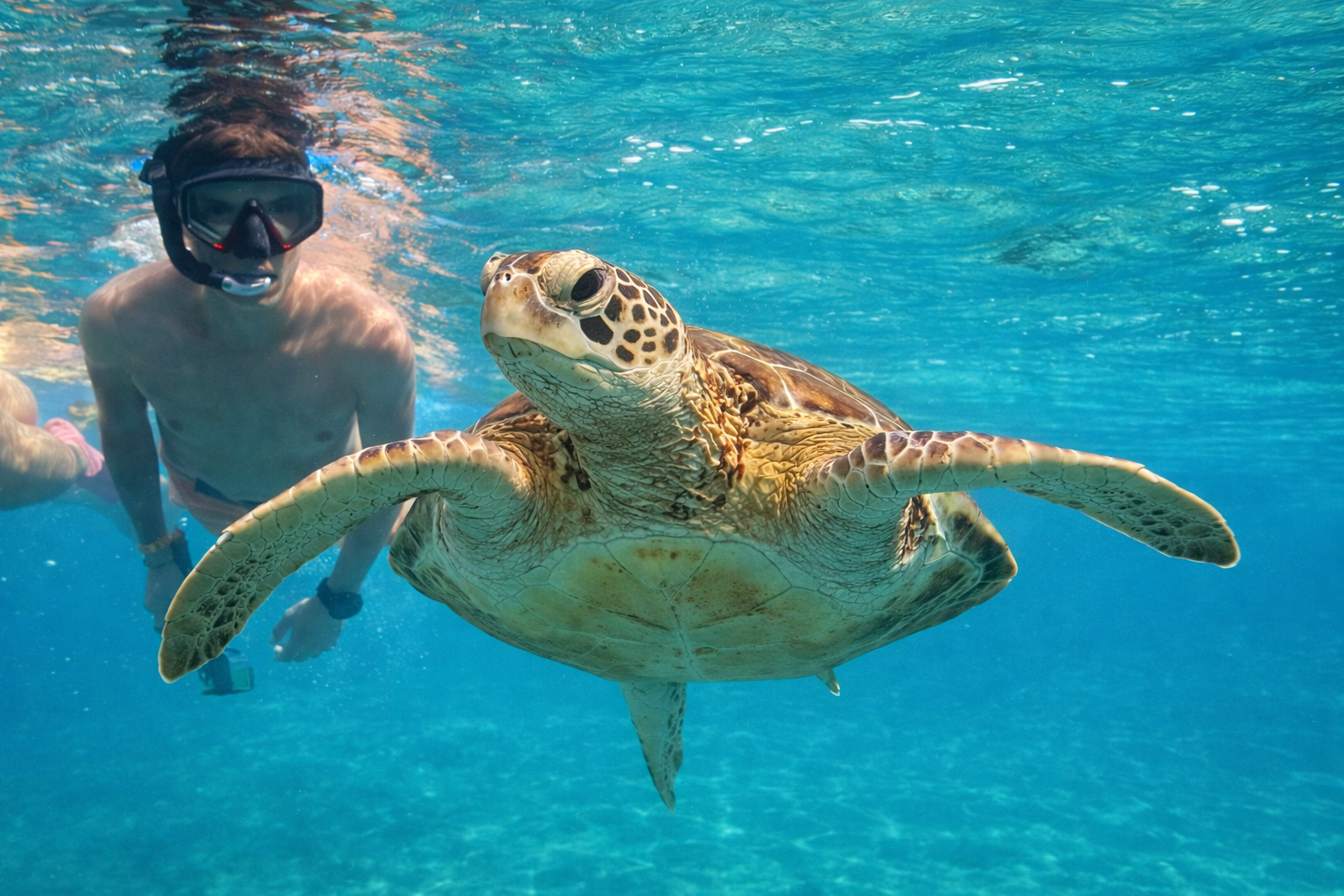
Spot whales at sunrise and snorkel alongside sea turtles on this guided Trincomalee marine adventure.

5 (4)
FromFrom €115.11
See details
Trincomalee Marine Adventure: Dolphin Watching, Whale Spotting & Reef Snorkeling 3 - 4 hours Free Cancellation

Trincomalee Marine Adventure: Dolphin Watching, Whale Spotting & Reef Snorkeling

Search for majestic whales, watch active dolphin pods, and snorkel the vibrant waters off Pigeon Island.

5 (1)
FromFrom €26.84
See details
Trincomalee Ocean Safari: Whale & Dolphin Watching from Pasikuda 2 hours Free Cancellation

Trincomalee Ocean Safari: Whale & Dolphin Watching from Pasikuda

Embark on an eco-friendly marine safari to spot blue whales and dolphins off the coast of Trincomalee.

5 (1)
FromFrom €80.52
See details
Navy Island Guided Snorkeling & Marine Conservation Tour 2 hours Free Cancellation

Navy Island Guided Snorkeling & Marine Conservation Tour

Discover Trincomalee's vibrant coral reefs and marine life on a guided snorkeling trip to Navy Island.

5 (2)
FromFrom €32.89
See details
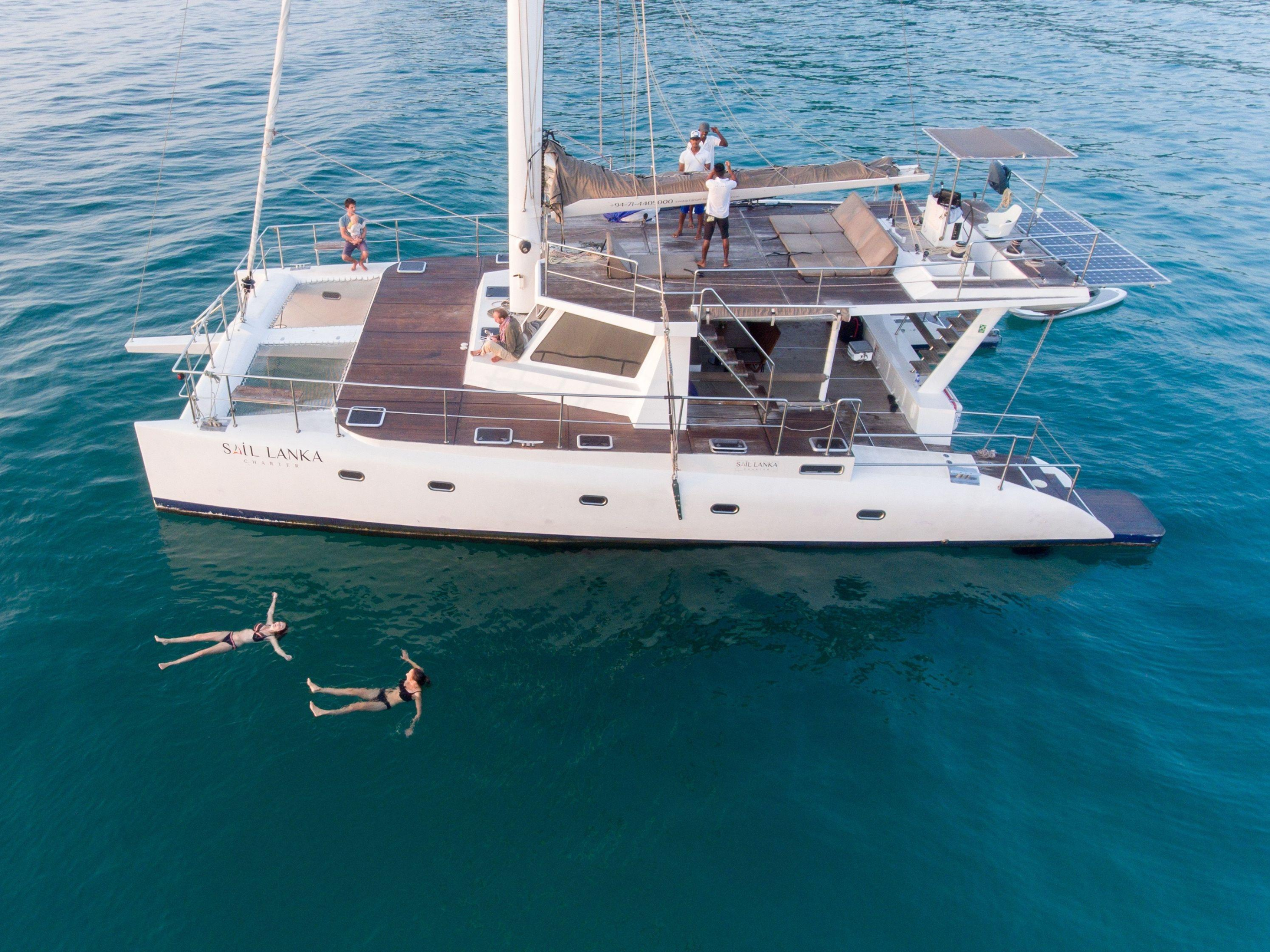
Trincomalee Premium Yacht Whale Watching Experience 7 hours Free Cancellation

Trincomalee Premium Yacht Whale Watching Experience

Search for blue whales and dolphins from a premium yacht in Trincomalee, complete with meals and water sports.

5 (1)
FromFrom €172.57
See details
Your journey

Your Trincomalee Blue Whale Watching day, step by step

1
Step 1: Port Arrival

Step 1: Port Arrival

Arrive at the Trincomalee Harbour on Dockyard Road between 06:00 and 06:30 for security clearance and ticketing.

2
Step 2: Safety Briefing and Boarding

Step 2: Safety Briefing and Boarding

Board the vessel for the Sri Lankan navy whale watching experience and attend the mandatory safety briefing.

3
Step 3: Cruising to the Continental Shelf

Step 3: Cruising to the Continental Shelf

Sail approximately eight ocean miles offshore into the Indian Ocean, observing spinner dolphins and seabirds along the route.

4
Step 4: Whale Sighting and Observation

Step 4: Whale Sighting and Observation

Scan the horizon for blue whales and sperm whales, maintaining a respectful distance under marine conservation guidelines.

5
Step 5: Return to Harbour

Step 5: Return to Harbour

Cruise back to the harbour dock while enjoying final views of the coastline.

What you'll see

What you'll see at Trincomalee Blue Whale Watching

The Continental Shelf Drop-off

The ocean floor drops steeply to depths exceeding 1,000 meters just eight miles off the coast. This geological feature generates nutrient-rich currents that draw giant blue whales close to land.

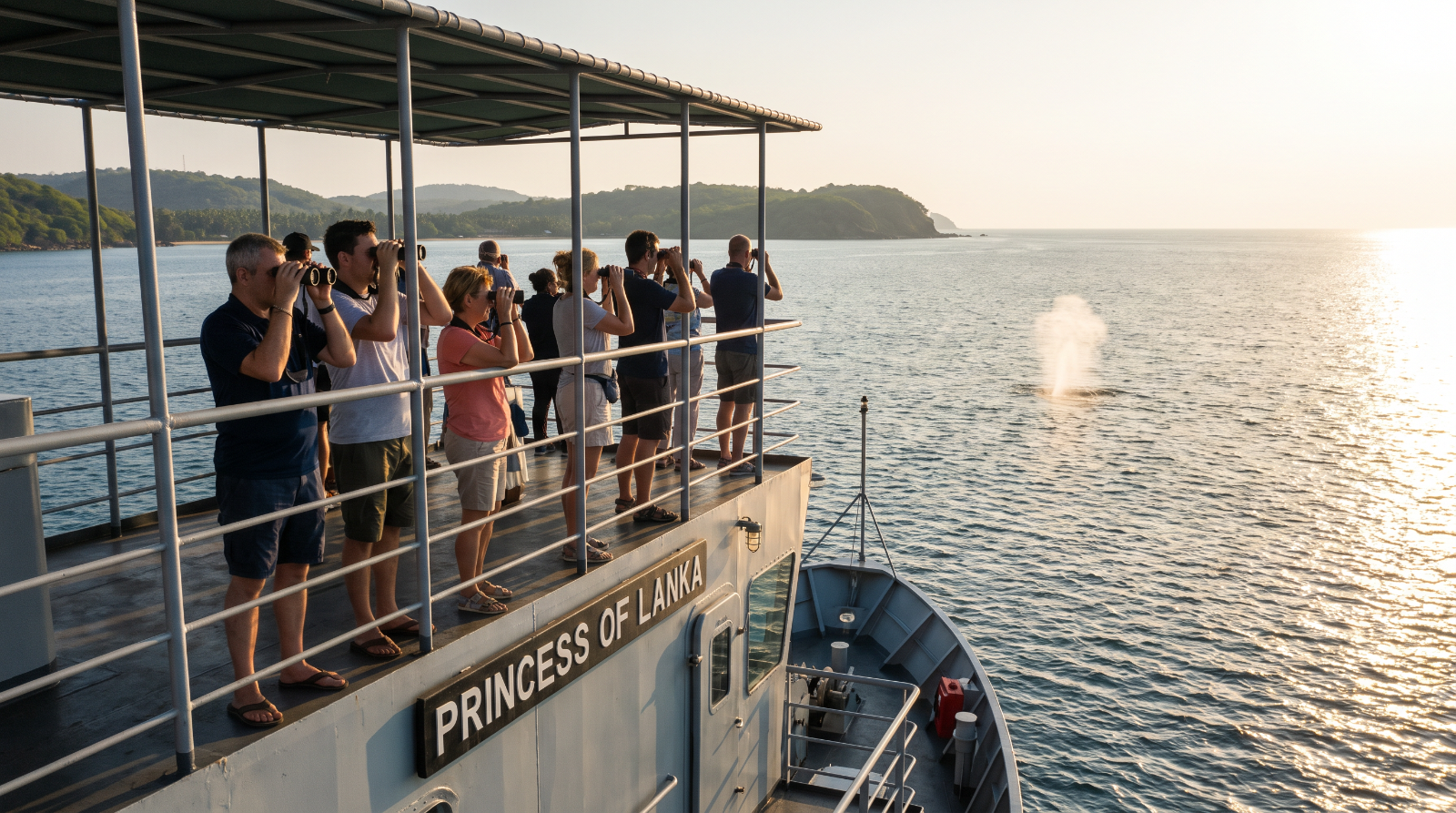
Princess of Lanka Observation Deck

Princess of Lanka Observation Deck

The viewing platform on the official navy vessel provides an elevated, 360-degree viewpoint. It allows passengers to safely spot distant blows and tails without obstructing others.

Koddiyar Bay Estuary

Koddiyar Bay Estuary

This rich coastal zone is where Sri Lanka's longest river, the Mahaweli, meets the ocean. The mixing waters create a rich feeding ground for fish and migrating marine mammals.

Spinner Dolphin Pod Area

Spinner Dolphin Pod Area

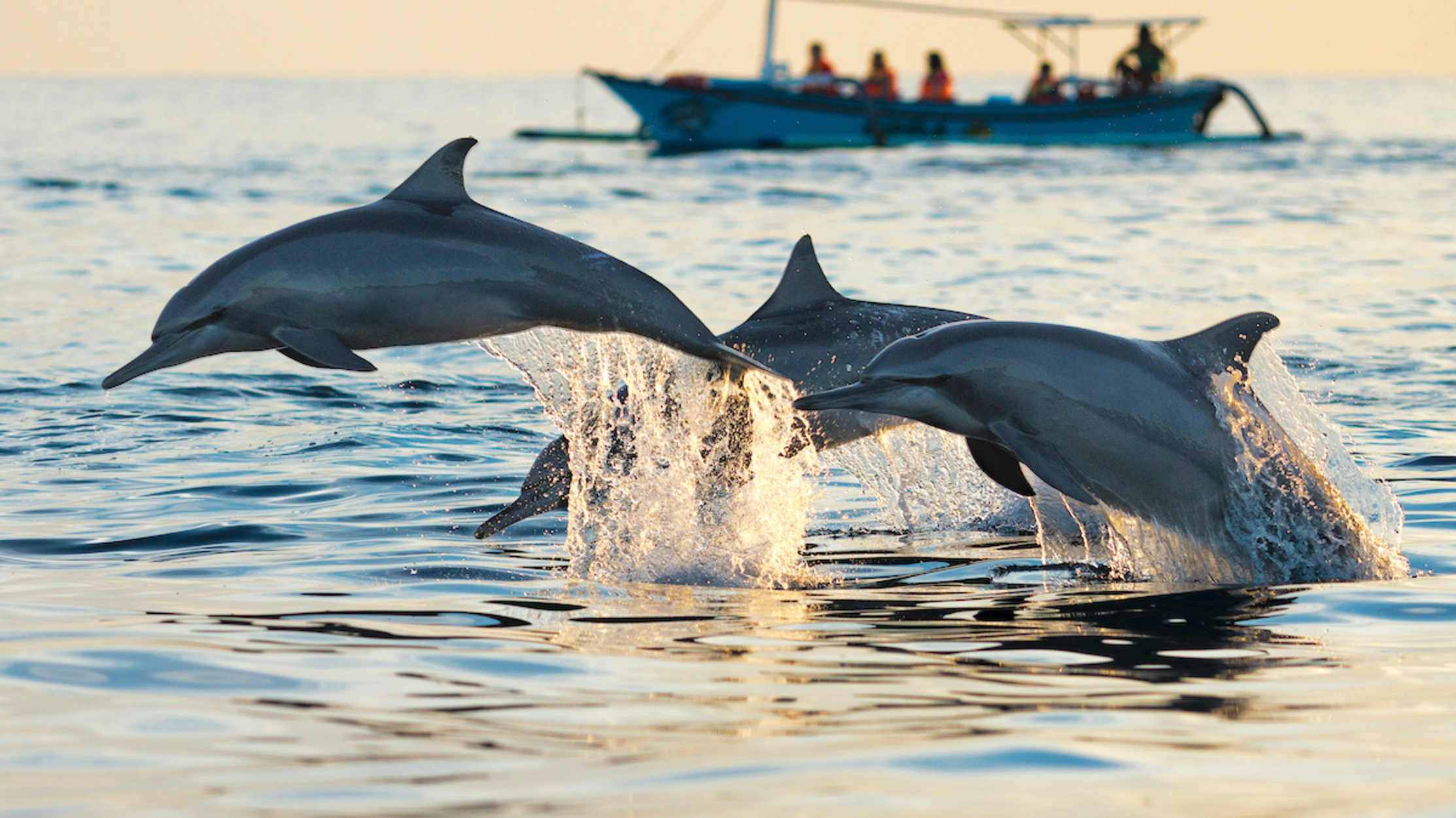
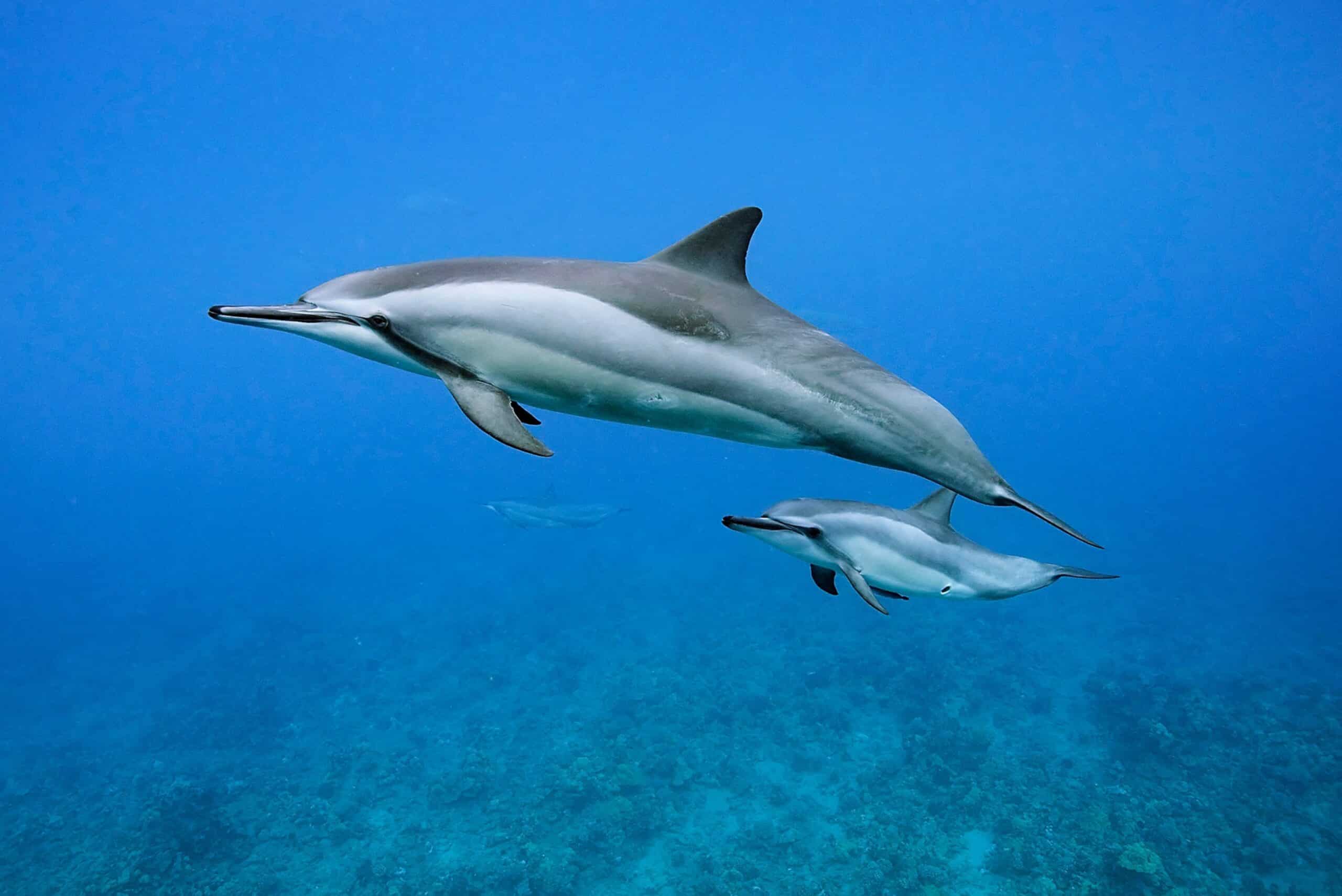
An active offshore zone where pods of 50 to 200 spinner dolphins frequently gather. These mammals are known for leaping and spinning through the air alongside the vessel.

Sperm Whale Feeding Grounds

Sperm Whale Feeding Grounds

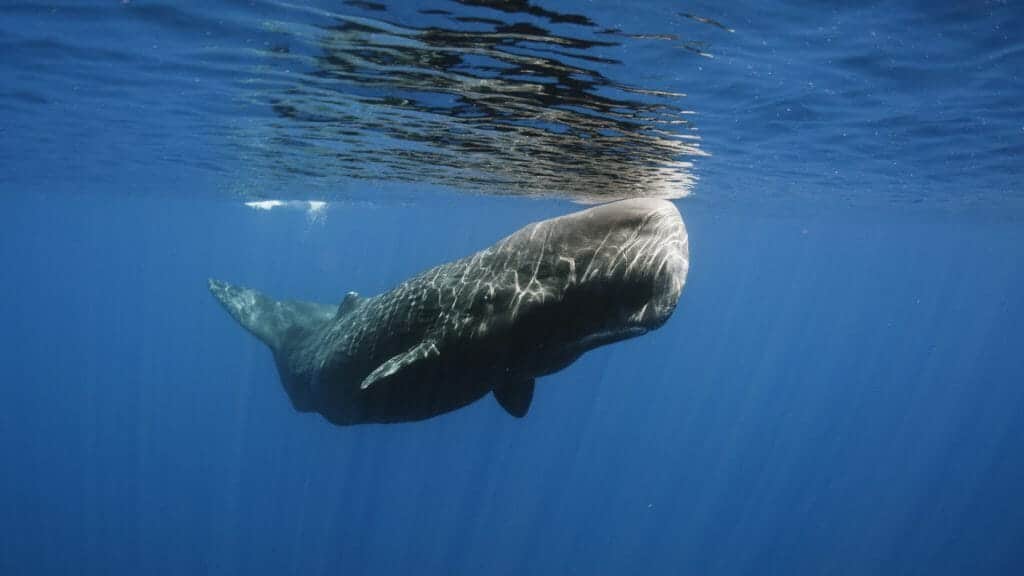
Located in the deeper outer waters, these areas host groups of sperm whales during the summer months. These deep-diving giants can remain submerged for up to an hour.

The experience

What visiting Trincomalee Blue Whale Watching is really like

You reach Trincomalee Harbour on Dockyard Road while the sky is still grey, and the crew checks your trincomalee blue whale watching tickets against the day's manifest before you step aboard.

Read more Show less

The engines cut through a flat, glassy sea; the town falls behind, and within twenty minutes the water deepens from turquoise to ink. You brace against the rail and scan the horizon the way the skipper does, watching for a vertical plume that hangs in the air longer than any wave.

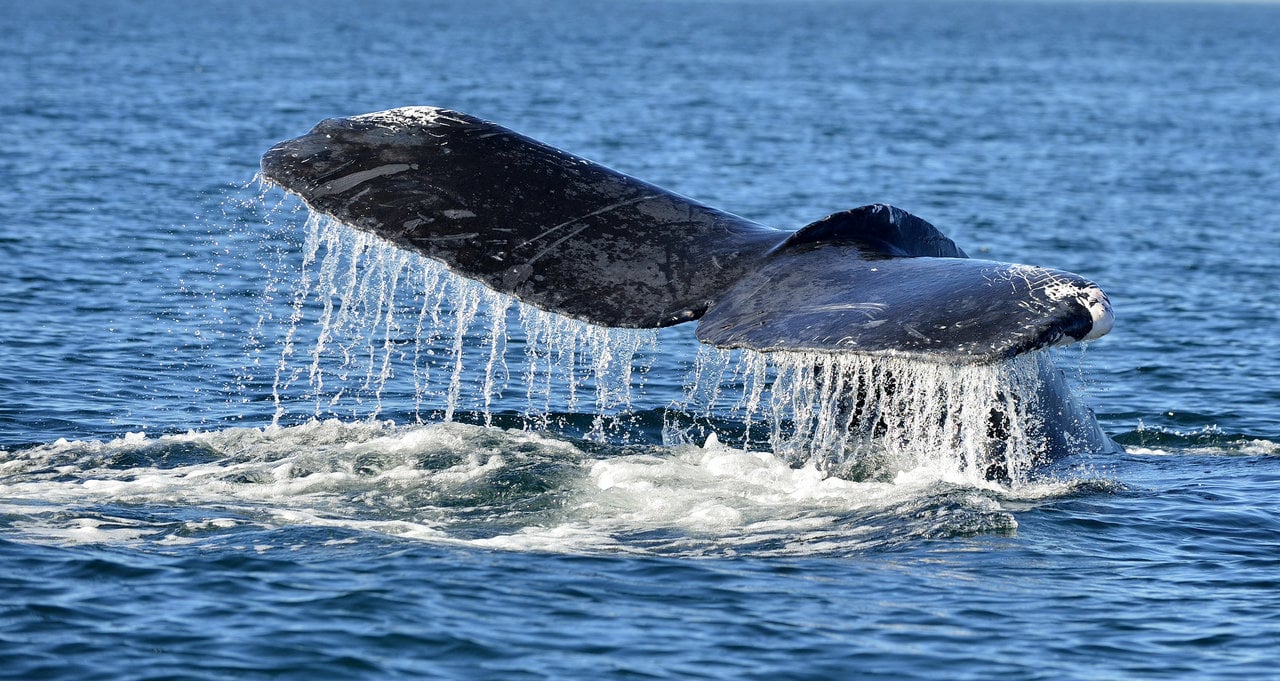
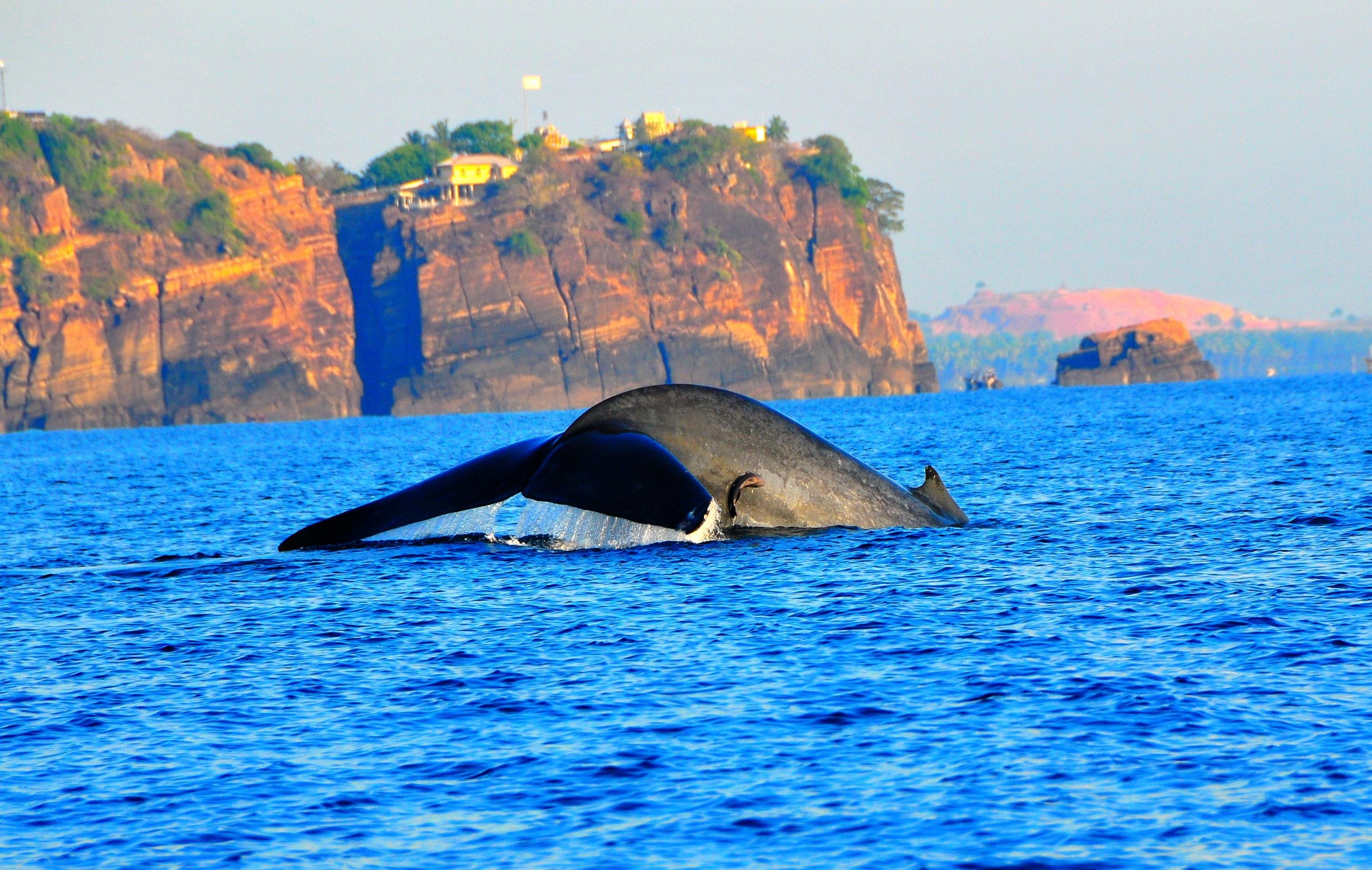
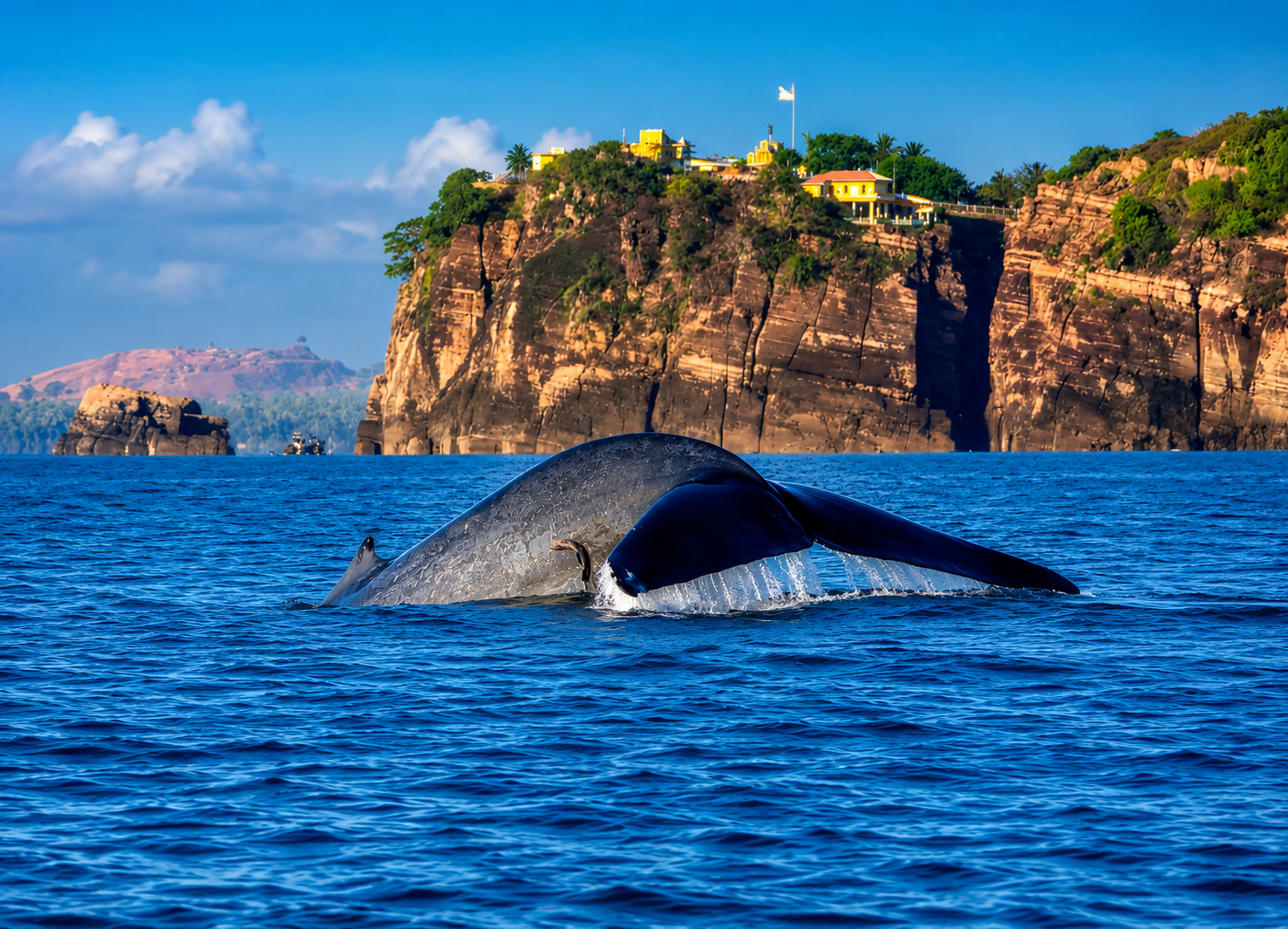
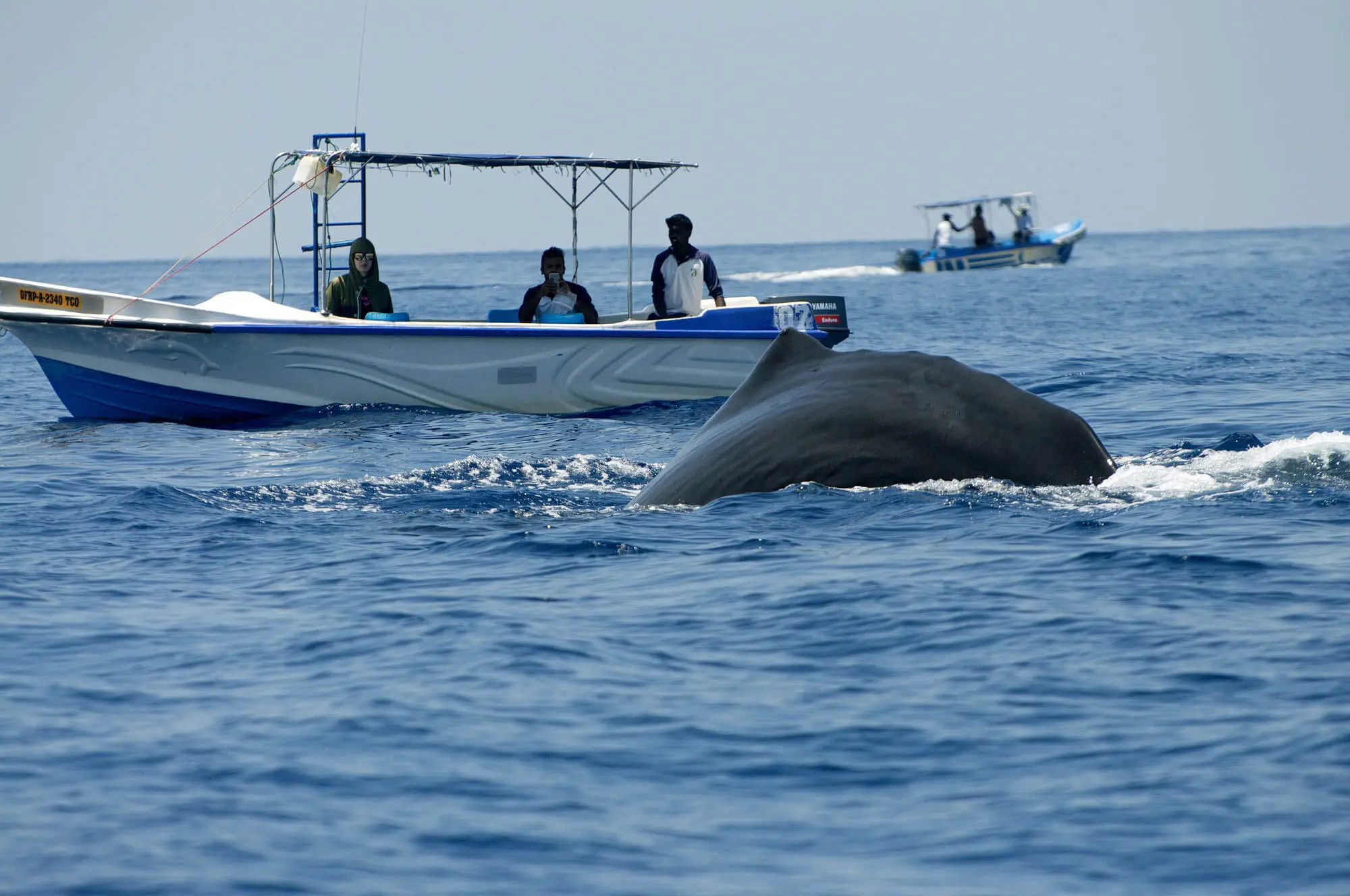
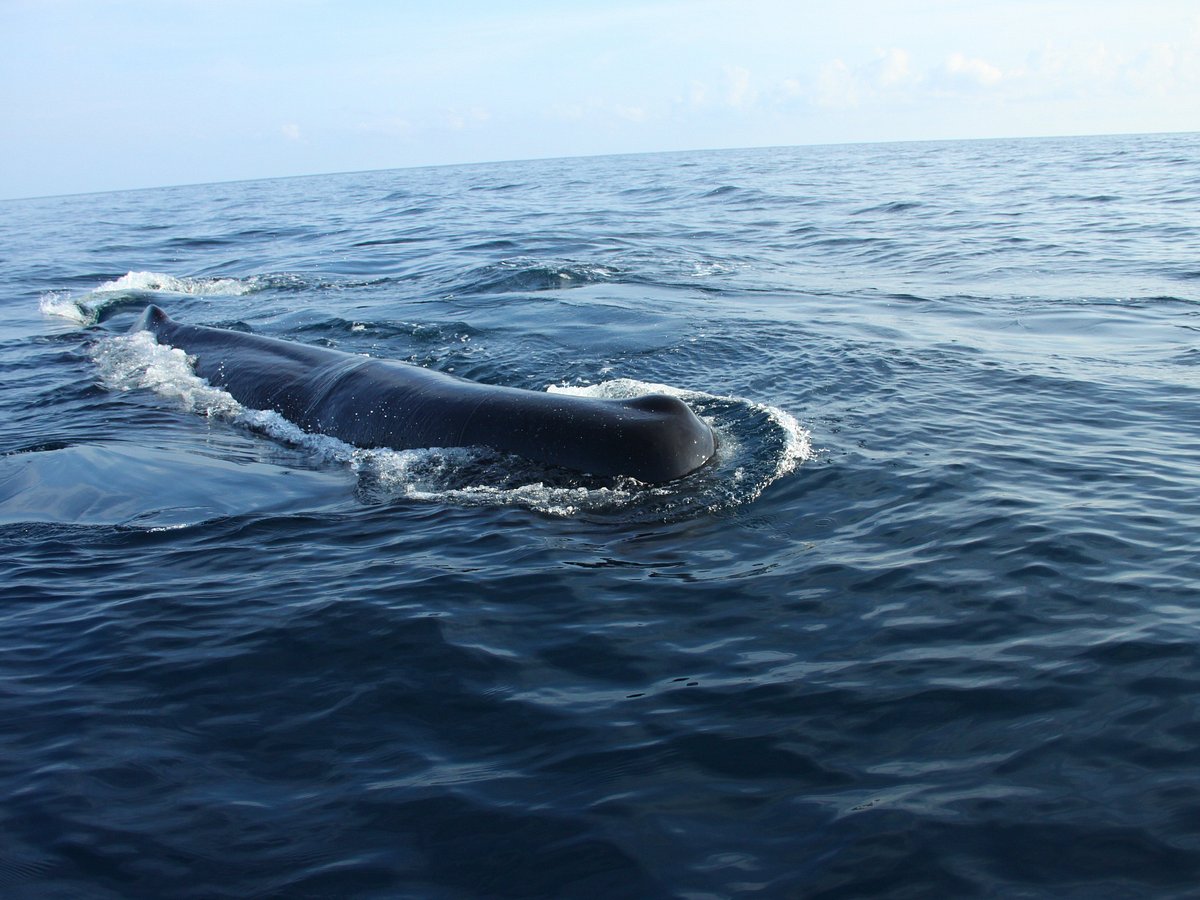
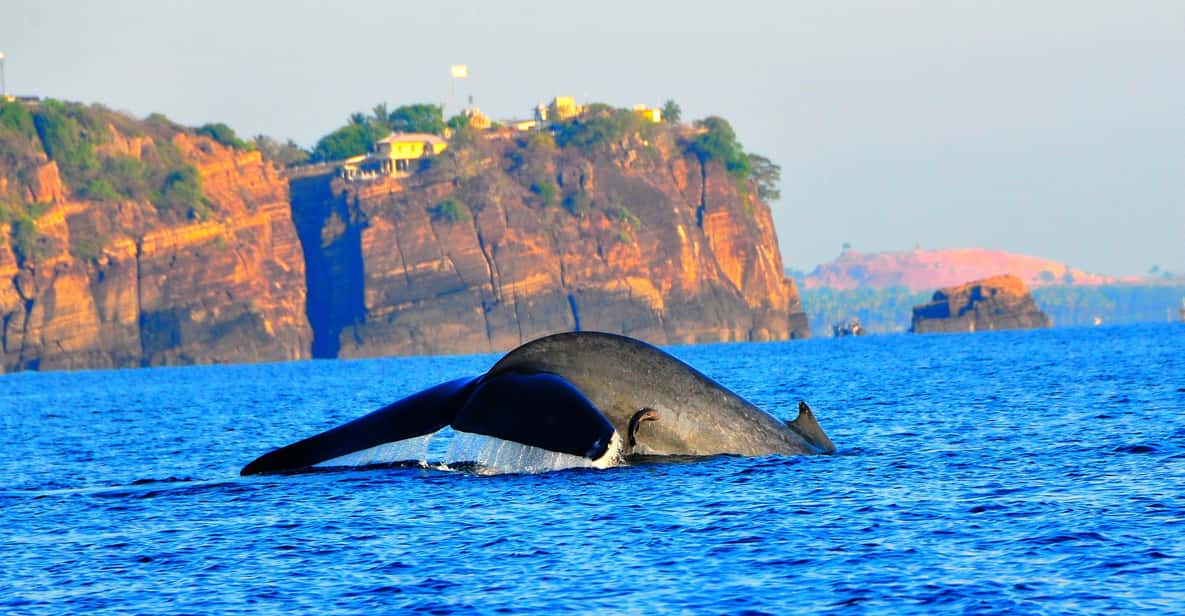
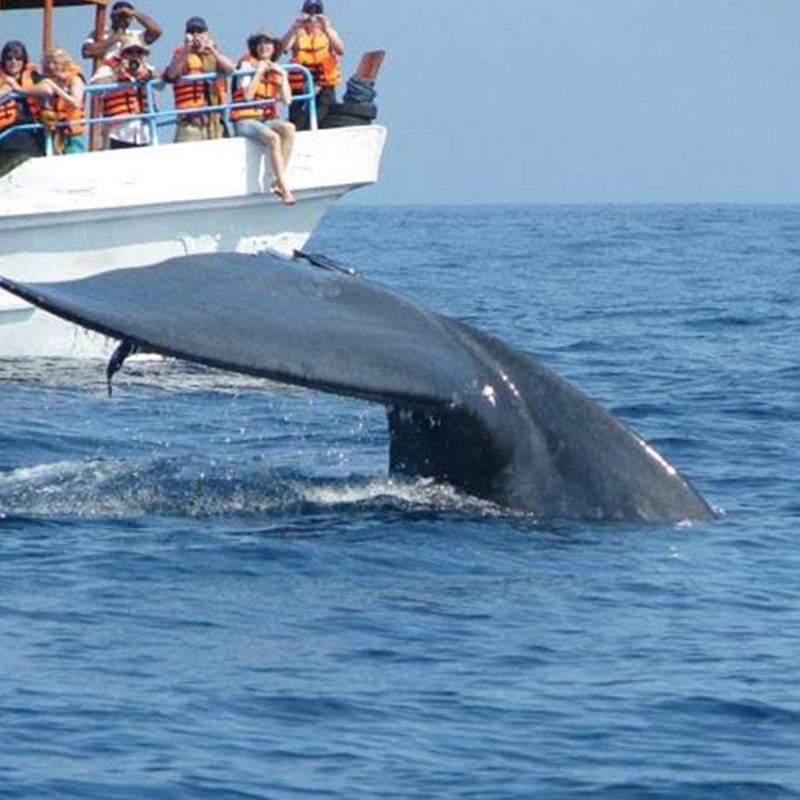
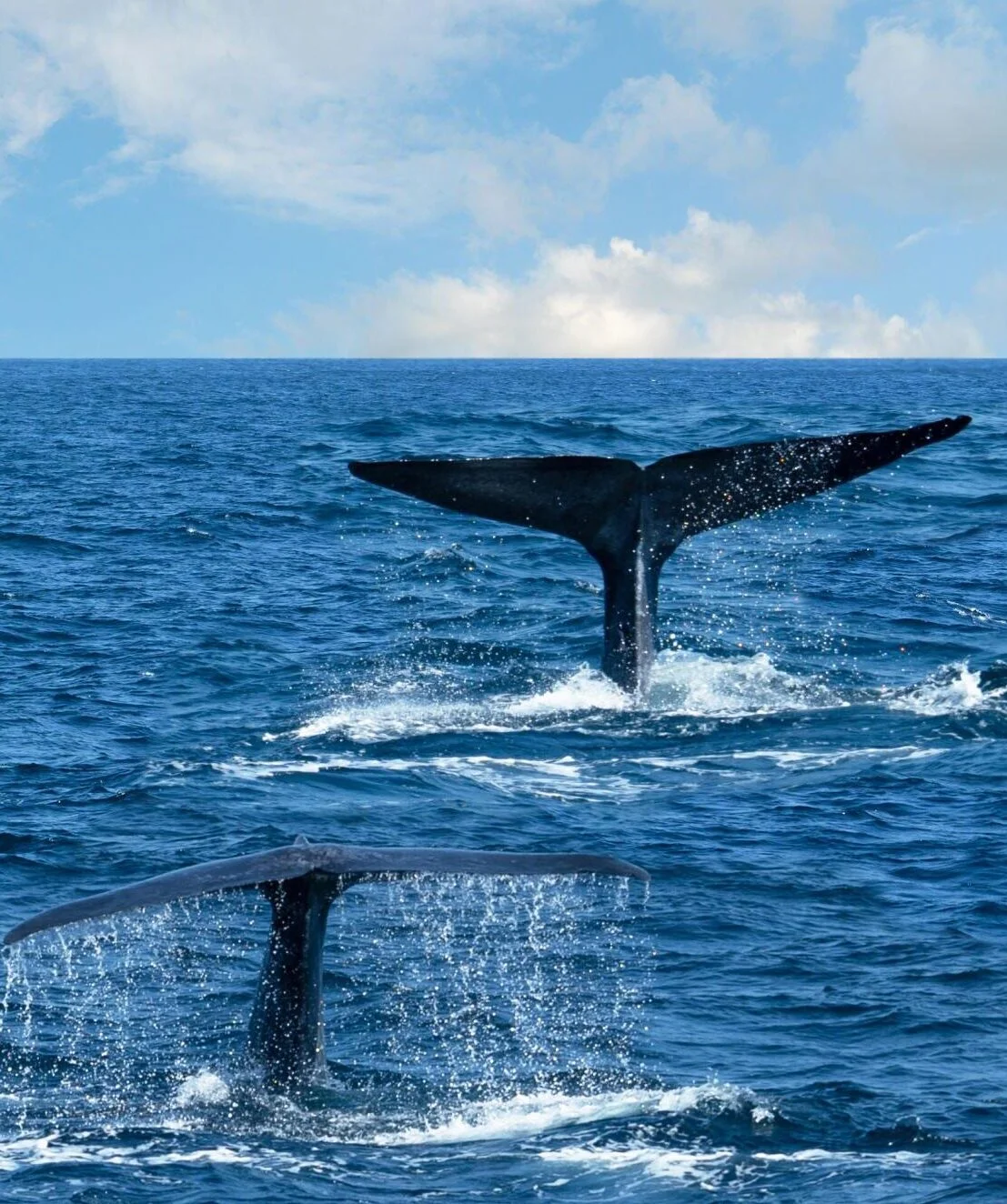
Then it comes. A spout rises, thin and tall, and a long back breaks the surface, rolling for what feels like a full minute before the flukes tip skyward and slide under. Spinner dolphins race the bow in loose ropes, leaping and twisting, while you steady your camera and simply look. The marine safari holds its distance, engines idling, letting the animal set the terms.

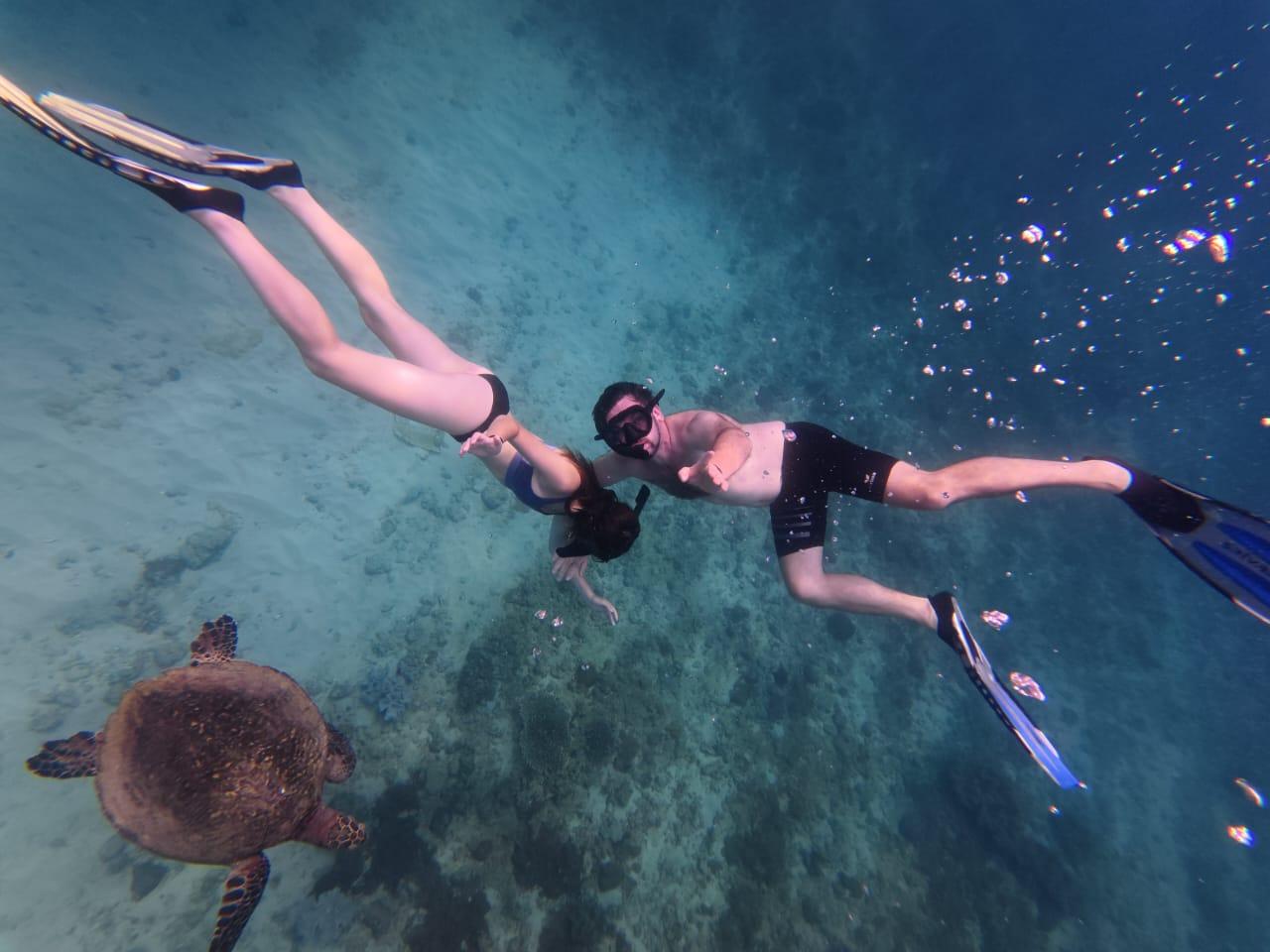
On the return leg you pass reef water bright enough to see coral through, and some sailings pause near Pigeon Island or Navy Island so you can slip in with a mask and snorkel. By the time the harbour wall comes back into view, salt has dried on your skin and the horizon has kept its scale. You came for whales, and the ocean answered on its own clock.

Trincomalee Blue Whale Watching
Everything You Need to Know

Your complete Trincomalee Blue Whale Watching guide

All the details about your upcoming adventure in one place

A blue whale's heart weighs close to 180 kilograms, and off Trincomalee that heart beats within a few nautical miles of the shore.

The continental shelf here falls away steeply into the Bay of Bengal, funnelling deep, krill-rich water toward the coast and drawing the largest animal ever to have lived within reach of a morning boat. Trincomalee blue whale watching tours exist because of this rare undersea geography, not by accident.

The harbour is one of the deepest natural anchorages on earth, a fact that shaped centuries of maritime history as Portuguese, Dutch and British fleets contested the bay. Above it, Koneswaram Temple has crowned Swami Rock for far longer still. That inheritance frames the water rather than defines it; what draws visitors now is the marine corridor offshore.

Between the headland and the horizon, resident and migrating pods move through a single feeding lane. Blue whales pass here, and so do sperm whales, Bryde's whales, and superpods of spinner dolphins that number in the hundreds. Marine biologists attribute the density to upwelling along the shelf edge, where cold currents lift nutrients into the sunlit surface. The same clear water sustains the coral gardens of Pigeon Island and the reefs near Navy Island, placing the Trincomalee coastline among Sri Lanka's richest marine landscapes.

The blue whales off Trincomalee belong to a northern Indian Ocean population that behaves unlike others, lingering near a warm-water coast rather than migrating to polar feeding grounds. Individuals can reach thirty metres and weigh more than 150 tonnes, longer than the safari vessels that carry watchers out to meet them. Their presence has made the eastern seaboard a reference point for researchers logging sightings across the season.

The animals are neither tame nor staged. A blue whale surfaces to breathe every ten to fifteen minutes, exhaling a spout that can rise nine metres before the long slate-grey back rolls forward and the flukes lift clear. A whale and dolphin ocean safari is therefore measured less in guarantees than in the patience of skippers who read the surface for blows and slicks. For a port once known mainly for its garrison and its temple, the whales have redrawn Trincomalee's standing, and each trincomalee blue whale watching tour renews the link between the harbour, the shelf, and the giants that gather beyond it.

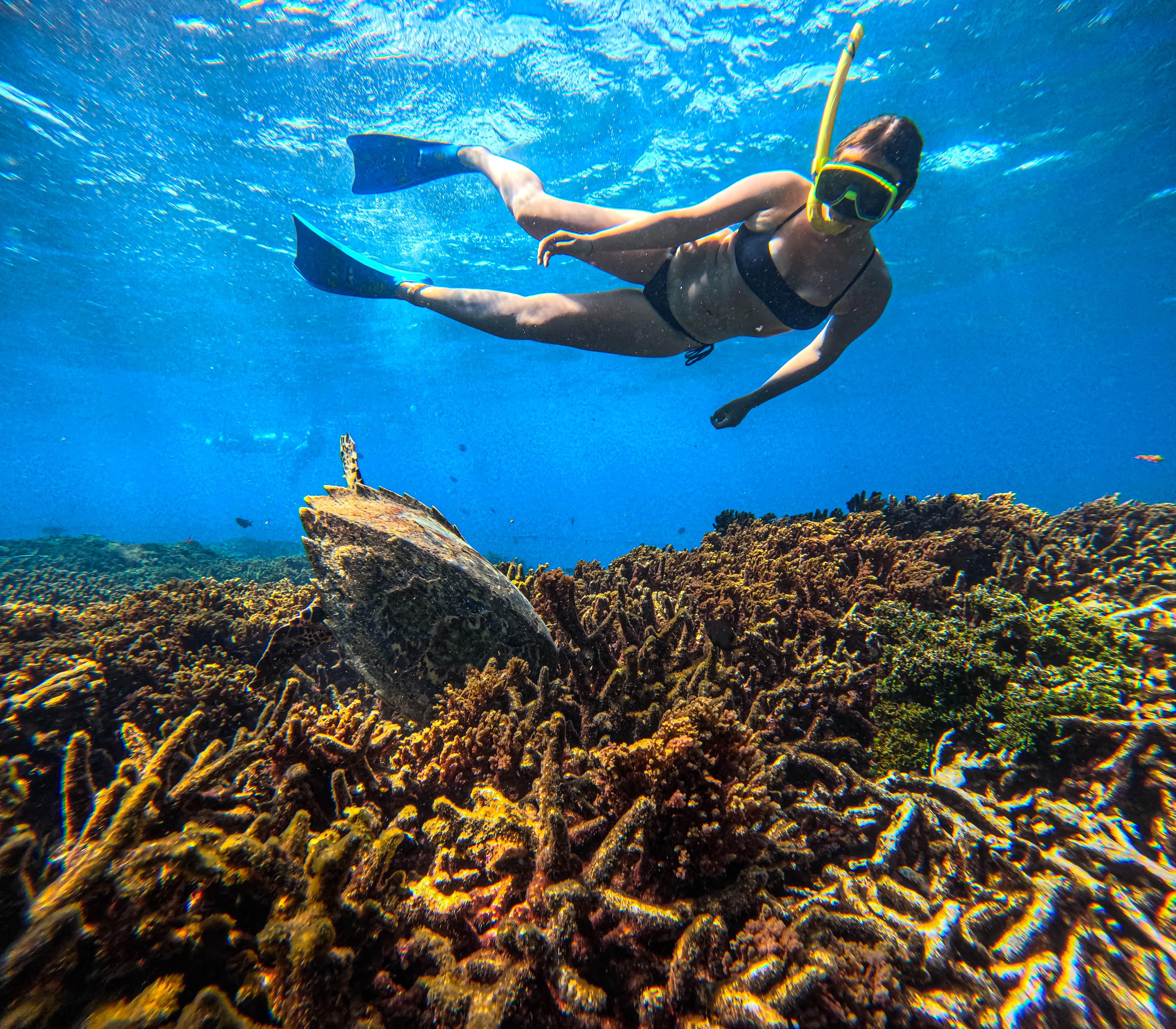
The continental shelf falls away so close to shore that the largest animal ever to have lived surfaces within a morning's reach of the harbour.

Dress code

Prepare for a Trincomalee blue whale watching tour by choosing comfortable, lightweight clothing that protects against sun and wind. Wearing flat, non-slip rubber shoes is mandatory on the deck to ensure safety during sudden ocean swells.

Bags & security

Prior to starting the Trincomalee blue whale watching tours, all bags must pass security checks at the Trincomalee Harbour gate. Heavy backpacks or oversized luggage should be left at your hotel or inside a tour vehicle.

Photography

Taking photos during Trincomalee blue whale watching is highly encouraged, though you should secure all equipment with straps. A telephoto lens will help capture the distant blow or tail fluke of sperm whales without risking water damage.

Families & strollers

Families embarking on a Trincomalee blue whale watching cruise must keep children under close supervision at all times on the open decks. Life jackets of appropriate sizes are provided and must be worn by all younger passengers.

Accessibility

Standard vessels used for Trincomalee blue whale watching may present boarding difficulties for individuals with limited mobility due to steep gangways. Visitors requiring special assistance should contact the port operators at +94777323050 ahead of arrival.

Food & drink

Bringing light snacks and dry food on the Trincomalee blue whale watching excursion is recommended to prevent sea sickness. Some larger naval vessels provide a basic snack pack, but carrying bottled water remains essential.

Not allowed

× drones × plastic bags × alcoholic beverages × glass bottles × explosives × firearms × pets × oversized luggage × illegal drugs × flammable liquids

What to bring

✓ motion sickness medication ✓ polarized sunglasses ✓ sunscreen lotion ✓ wide-brimmed hat ✓ windproof jacket ✓ reusable water bottle ✓ camera with zoom lens

Opening hours

Mon 06:00 – 18:00
Tue 06:00 – 18:00
Wed 06:00 – 18:00
Thu 06:00 – 18:00
Fri 06:00 – 18:00
Sat 06:00 – 18:00

Peak weekend traffic.

Sun 06:00 – 18:00

How to get there

At a glance

Opening Hours

Monday–Sunday: 06:00–18:00

Address

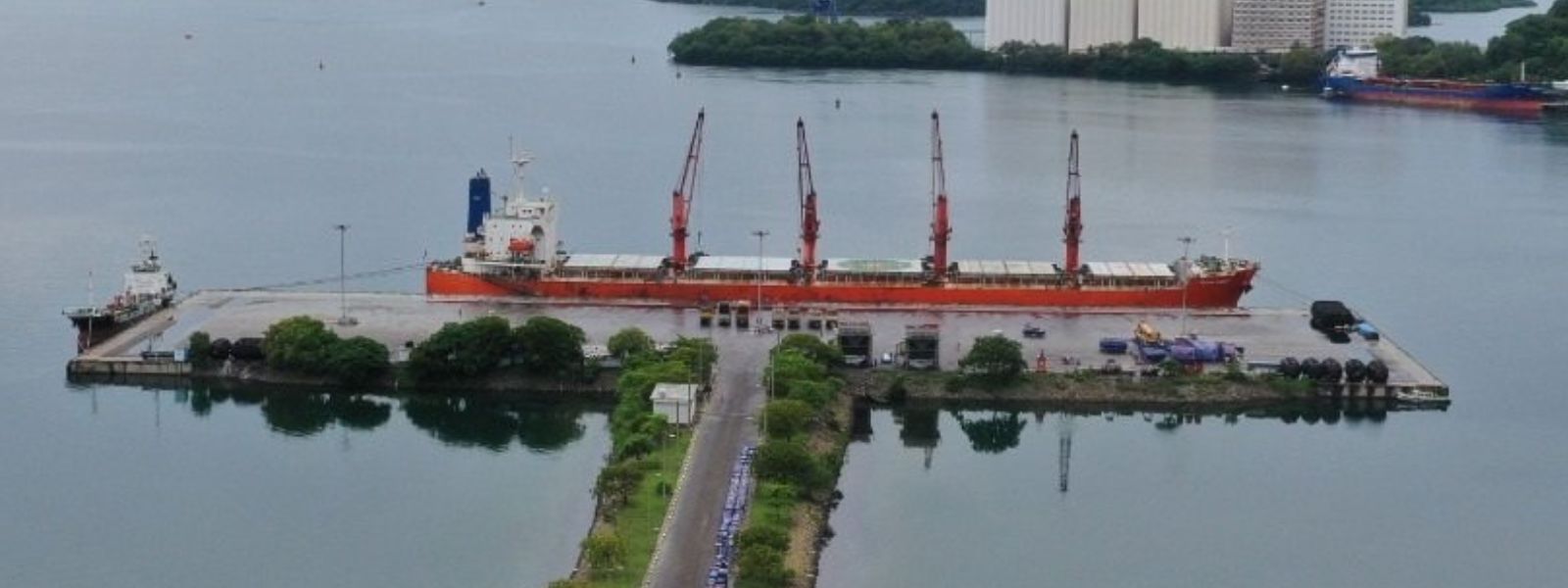
Trincomalee Harbour, Dockyard Road, Trincomalee, Sri Lanka

Entrance Fee

0 LKR (Free entry to departure areas; boat tour fees apply separately)

Best Arrival Window

06:00–06:30 — Early morning departures offer the calmest seas and highest whale sighting rates.

Official Site

https://whalewatching.navy.lk/

Getting there

Car · 5.5 hours · LKR 15,000

Drive along the A6 highway from Colombo directly to Trincomalee, taking approximately 5 to 6 hours. Secure parking is available near the Dockyard Road entrance.

Public transport · 8 hours · LKR 1,500

Take the overnight train from Colombo Fort to Trincomalee Station, which is 3 km from the port. From the station, hire a local three-wheeler to the harbor.

Taxi · 5 hours · LKR 25,000

Hire a private driver from Bandaranaike International Airport in Colombo directly to Trincomalee. Booking a private whale watching tour in Trincomalee often includes hotel transfers.

Cancellation policy

When booking Trincomalee blue whale watching tickets, note that full refunds are typically offered up to 24 hours before the departure time. If the Sri Lanka Navy cancels the cruise due to rough sea conditions in the Indian Ocean, a full refund of 0 LKR is provided.

Plan your time

Planning Your Trincomalee Blue Whale Watching Excursion: Timing and Duration

Recommended time

3 to 4 hours

Booking trincomalee blue whale watching tickets online in advance remains the most reliable method to secure a spot on the strictly limited morning departures from the harbor. This guided excursion typically covers a three-hour journey into deep offshore waters, navigating past the early ocean swell while the experienced boat crew scans the horizon for spinner dolphins and migrating marine mammals. Opting for licensed trincomalee blue whale watching tours ensures you travel on a well-maintained vessel with experienced captains who follow safety and environmental regulations. Because all boats return to the dockyard by mid-morning, you can easily plan subsequent visits to local historical sites or beaches for the remainder of the day.

Crowd levels through the day

06:00–06:30 Arrival for trincomalee blue whale watching Light
06:30–09:30 Morning trincomalee blue whale watching tour Peak
09:30–12:00 Late morning boat returns Moderate
12:00–18:00 Afternoon harbor walks Light
Plan ahead

Best time to visit Trincomalee Blue Whale Watching

Weather · crowds · average price — dots go green to amber to red as each metric rises.

May to June

Ideal transition period where whale activity begins to rise on the east coast. The seas are calm, and blue whales are frequently spotted close to the bay.

July to August

Peak season for whale spotting in Trincomalee, offering great chances of seeing sperm whales in the deep waters. The dry weather ensures stable sailing conditions with clear skies.

September

The final month of the main viewing season before the monsoon shifts. Sightings remain steady, although early morning departures are crucial to avoid afternoon wind swells.

March to April

Early shoulder season where blue whales migrate past the harbor. Swells can be slightly stronger than during the summer months, but sighting probabilities remain high.

Insider tips

Helpful tips for visiting Trincomalee Blue Whale Watching

Book morning departures

The earliest boat trips at 06:00 offer the calmest water conditions. Afternoon departures face stronger winds and rougher waves, reducing visibility.

Prevent motion sickness

Take motion sickness medication at least 30 minutes before boarding. The swells of the open Indian Ocean can trigger nausea even on clear days.

Protect your skin

Bring high-SPF sunscreen, polarized sunglasses, and a wide-brimmed hat. The water reflects sunlight intensely, and shade on open decks is limited.

Follow safety instructions

Always wear your life jacket and stay seated when the boat is moving fast. The crew is trained to monitor the vessel's balance.

Verify operator permits

When booking a blue whale safari in Sri Lanka, verify if the operator is certified by the marine authorities. Responsible operators keep a safe distance of at least 100 meters from the animals.

Bring a zoom lens

Whales are observed from a distance to prevent disturbing them. A camera with a 200mm or 300mm telephoto lens is ideal for clear shots.

Where to meet

Trincomalee Blue Whale Watching meeting points

Trincomalee Harbour Gate

Trincomalee Harbour Gate

Trincomalee Harbour, Dockyard Road, Trincomalee, Sri Lanka

Arrive by 06:00 for security check-in. The main entrance is located opposite the naval base.

Get directions
The story

The Evolution of Marine Tourism and Naval Safaris in Trincomalee

Trincomalee guards one of the deepest natural harbors in the Indian Ocean. Its name derives from the sacred hill of Koneswaram. The Portuguese raised Fort Frederick above its entrance in 1623. The Dutch seized the promontory in 1639 and reinforced its ramparts. The British took command in 1795, then based their Eastern Fleet here. For nearly three centuries the bay served warships alone. Strategic value defined the Trincomalee landmarks lining Dockyard Road. War reached the anchorage on 9 April 1942, when Japanese aircraft struck the British naval base during the Easter Sunday raids. The dockyard held as a fortified fleet station for decades afterward. Sri Lanka's civil conflict, ending in May 2009, sealed these waters from outsiders. Reconstruction then brought roads, hotels, and a swift tourism surge to the eastern coast. Only after that peace would Koddiyar Bay open to trincomalee blue whale watching tours rather than patrol craft. The Sri Lankan Navy led the transformation. Using the same slipways it once defended, it launched a regulated trincomalee blue whale watching tour program after 2009. The deep continental shelf falls away close to shore, drawing blue whales and sperm whales between the monsoons. Naval crews set fixed approach distances for the migrating cetaceans. Onboard naturalists now record each encounter. Structure replaced improvisation, and disciplined seamanship guided every departure. That naval oversight still governs the coast today. Proceeds from trincomalee blue whale watching tickets now fund conservation and vessel upkeep along the same shore. The service maintains the operation through its official portal at whalewatching.navy.lk. A defense stronghold founded in 1623 endures in 2026 as a rare eco-tourism port, where the shift from war fleet to marine safari anchors the harbor's modern identity.

1623

Portuguese forces built Fort Frederick above the harbor entrance.

1639

Dutch troops captured the promontory and strengthened its defenses.

1795

Britain seized Trincomalee and based its Eastern Fleet in the bay.

1942

Japanese aircraft raided the British naval base on 9 April.

2009

Civil war ended in May, reopening the eastern coast to visitors.

Post-2009

The Sri Lankan Navy launched regulated whale watching from the harbor.

2026

Naval-run safaris remain the region's principal marine tourism draw.

Photo spots

Best photo spots at Trincomalee Blue Whale Watching

Swami Rock (Lovers Leap)

Swami Rock (Lovers Leap)

Best light · Sunrise

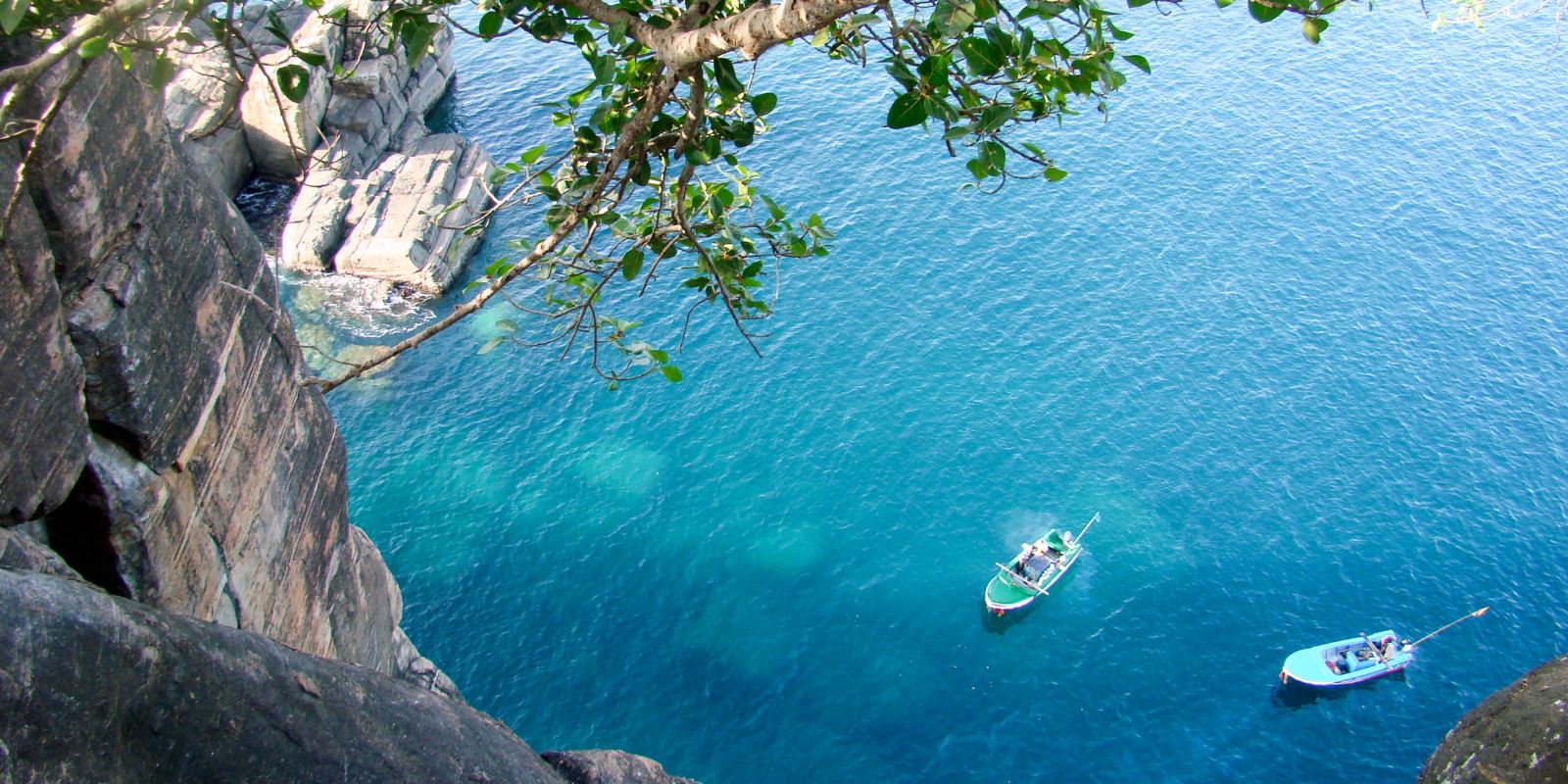
This high cliff near Koneswaram Temple offers a vantage point overlooking the deep waters of the Indian Ocean. From here, you can photograph early morning vessels conducting a trincomalee blue whale watching tour, or catch distant blows of marine mammals with a telephoto lens. The temple perched on the edge adds a historic silhouette to your coastal seascape images.

Trincomalee Harbour Pier

Trincomalee Harbour Pier

Best light · 06:00–06:30

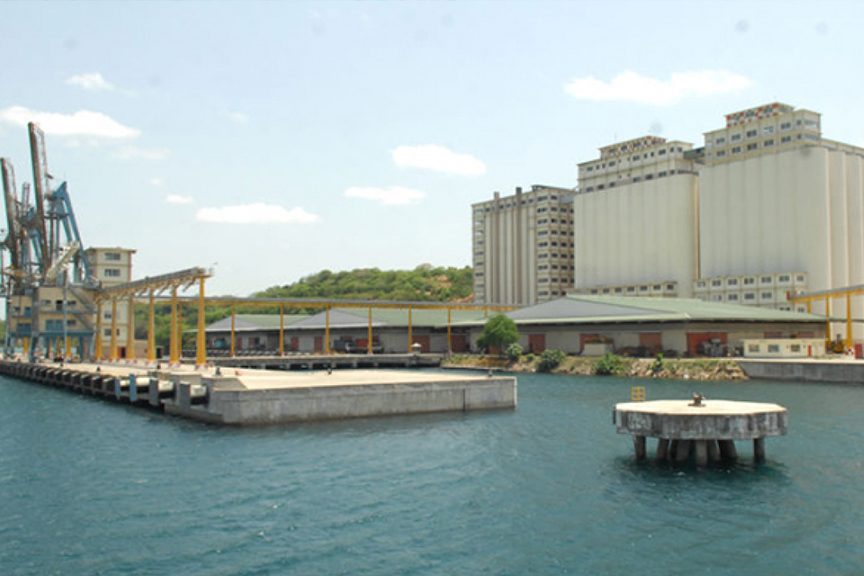
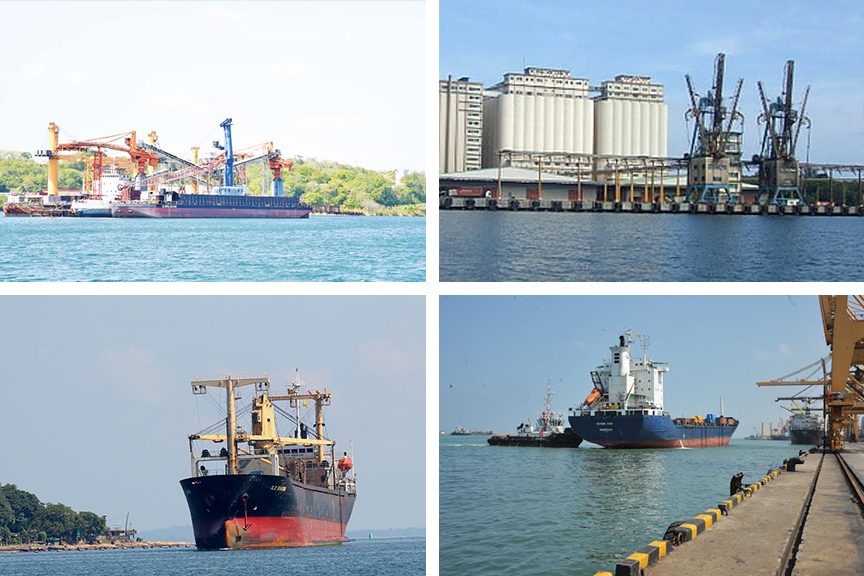
Located on Dockyard Road, this is the main departure area for official navy vessels and major charters. Stand near the pier to capture the prep work and excitement before passengers embark for their trincomalee blue whale watching tours. The early morning light reflects off the calm water of the deep-water harbor, making it ideal for candid shots.

Nilaveli Beach Launch Point

Nilaveli Beach Launch Point

Best light · Sunrise

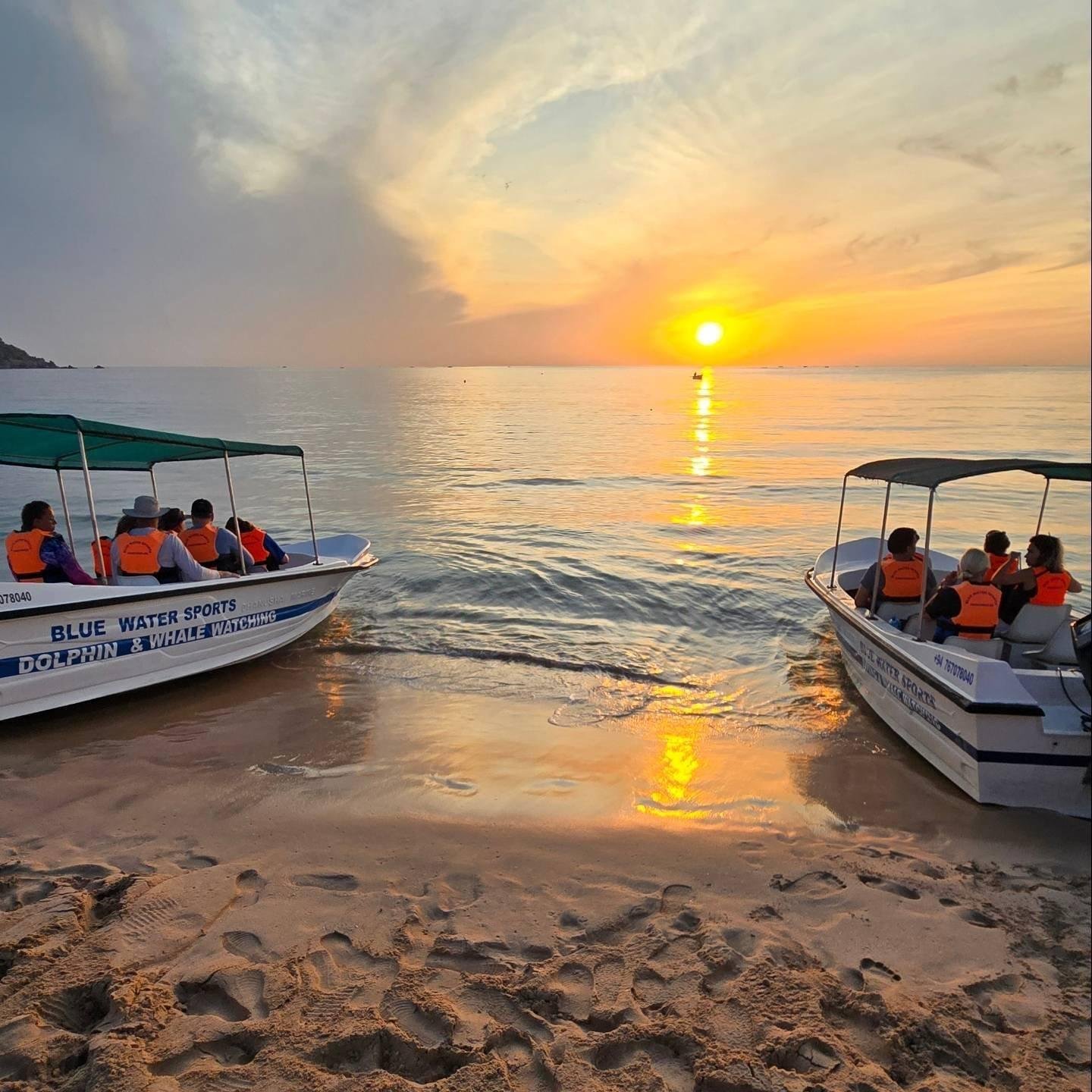
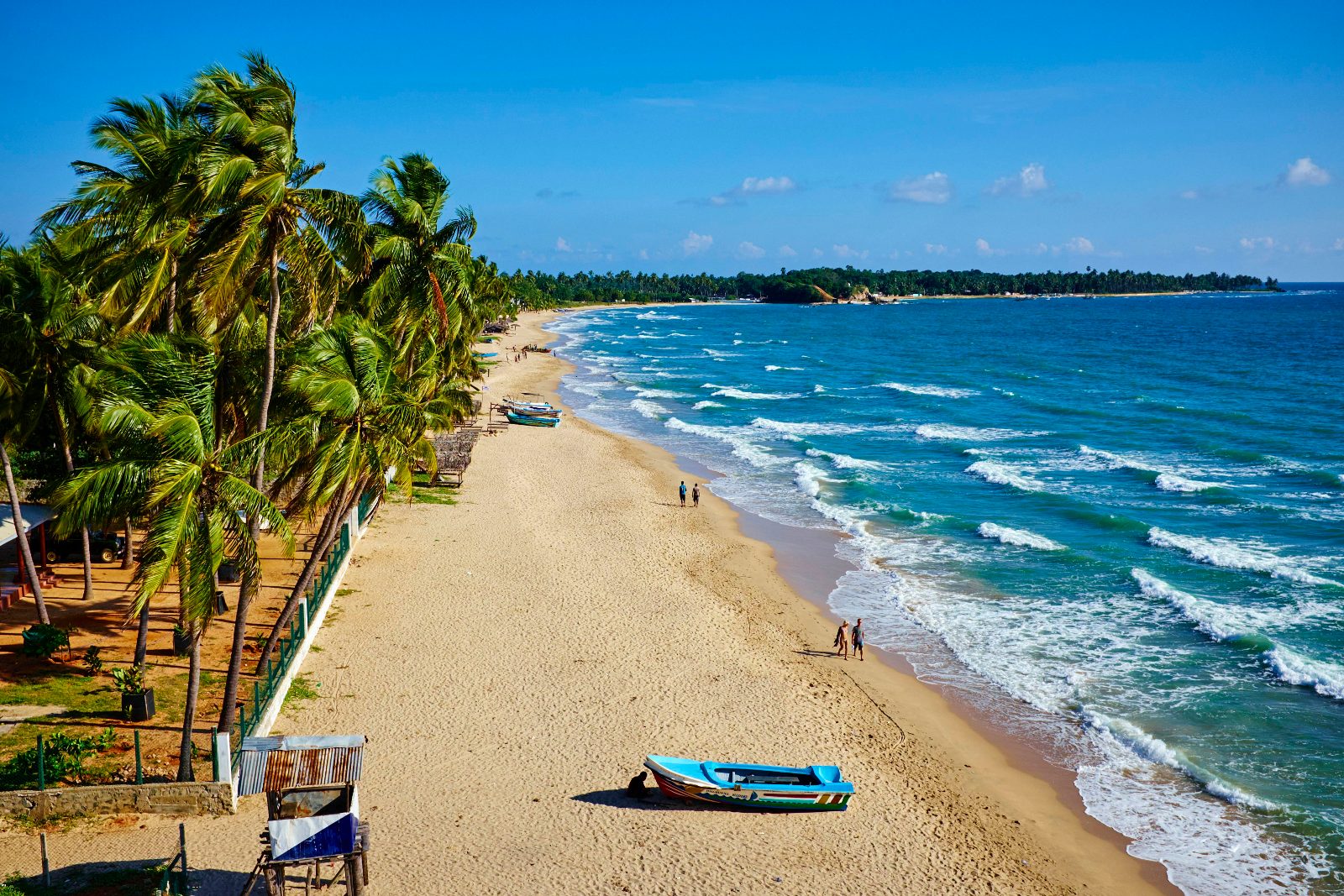
The sandy shoreline here serves as the launch site for private speedboats heading out on a Trincomalee marine mammal safari. It is a fantastic spot to capture low-angle action shots of small boats pushing off into the rolling surf against the morning sun. Booking your trincomalee blue whale watching tickets ahead of time ensures you catch the early morning departures from this spot.

Deep Ocean Sighting Zone

Deep Ocean Sighting Zone

Best light · 07:00–09:00

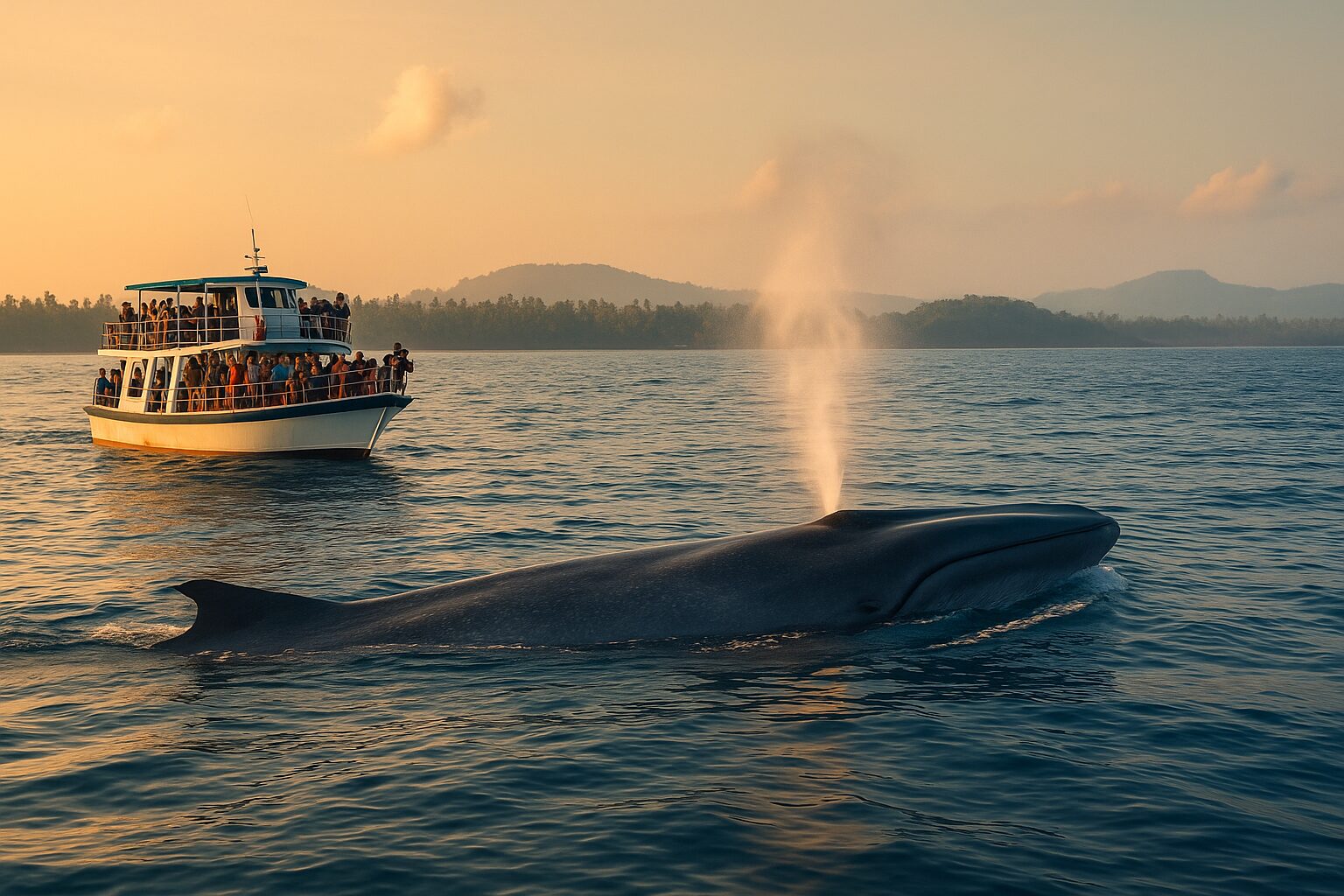
Located six to eight nautical miles offshore, this open water zone is where the main action happens. You will have opportunities to capture the iconic blue whale blow column, dorsal fins, or spinner dolphins jumping near the vessel. This zone is the core destination for trincomalee blue whale watching, providing direct access to deep-water wildlife photography.

Gallery

Moments from Trincomalee Blue Whale Watching

With kids

A Family Guide to Watching Blue Whales in Trincomalee

Planning a trincomalee blue whale watching excursion requires preparation, especially when traveling with children. While sightings of large marine mammals are likely, navigating the open ocean demands safety awareness and motion sickness prevention.

Best age

Most local operators recommend a dolphin and whale watching boat tour for children aged five and older. The early starts and hours at sea can be difficult for toddlers.

Motion sickness

Since rough waters are common, give children seasickness medication about 30 minutes before boarding. Keep them hydrated and looking at the horizon if they feel unwell.

Safety and gear

Standard life jackets are provided by all licensed boat operators. For younger kids, consider bringing your own child-sized vest to ensure a snug and secure fit.

Booking tips

Securing your trincomalee blue whale watching tickets in advance avoids long morning lines at the docks. Larger vessels, like navy-operated cruises, offer a steadier deck than small speedboats.

Snacks and shade

While some trincomalee blue whale watching tours offer light snacks, bringing your own water and food is smart. Pack hats and sunscreen, as there is no shade on deck.

Strollers

Strollers cannot be accommodated on these boats due to space limitations. Leave them at your hotel or in your vehicle, and use a baby carrier for the trincomalee blue whale watching tour.

Food & drink

Where to eat at Trincomalee Blue Whale Watching

While there are no food vendors directly at the departure piers for trincomalee blue whale watching, a short walk brings you to Trincomalee Harbour's main streets. You can easily grab a meal before or after your time on the water.

ISSO - Prawn Crazy

€€

Seafood Restaurant

Situated directly on Dockyard Road near the navy base, this vibrant seafood venue is the perfect place to celebrate after a trincomalee blue whale watching tour. Try the signature black pepper prawns or fresh lagoon crab caught in the Indian Ocean. It gets busy during peak lunch hours but serves quickly enough for a mid-day stop.

Dutch Bank Cafe

€€

Cafe & Bistro

Overlooking the tranquil waters of the inner harbor, this colonial-style cafe offers a quiet retreat to discuss your trincomalee blue whale watching tickets. They serve wood-fired pizzas, iced coffee, and traditional curries. It is best enjoyed for a relaxed, sit-down meal rather than a rushed bite.

New Parrot Restaurant

Local Sri Lankan Restaurant

For those who want a quick, budget-friendly meal before heading out on trincomalee blue whale watching tours, this local favorite on Main Street is ideal. The kitchen prepares hot kottu roti and vegetable curries at rapid speed. It is highly popular with locals during the dinner rush.

FAQ

Trincomalee Blue Whale Watching — frequently asked questions

Everything you need to know for your journey

Around the corner

More to see near Trincomalee Blue Whale Watching

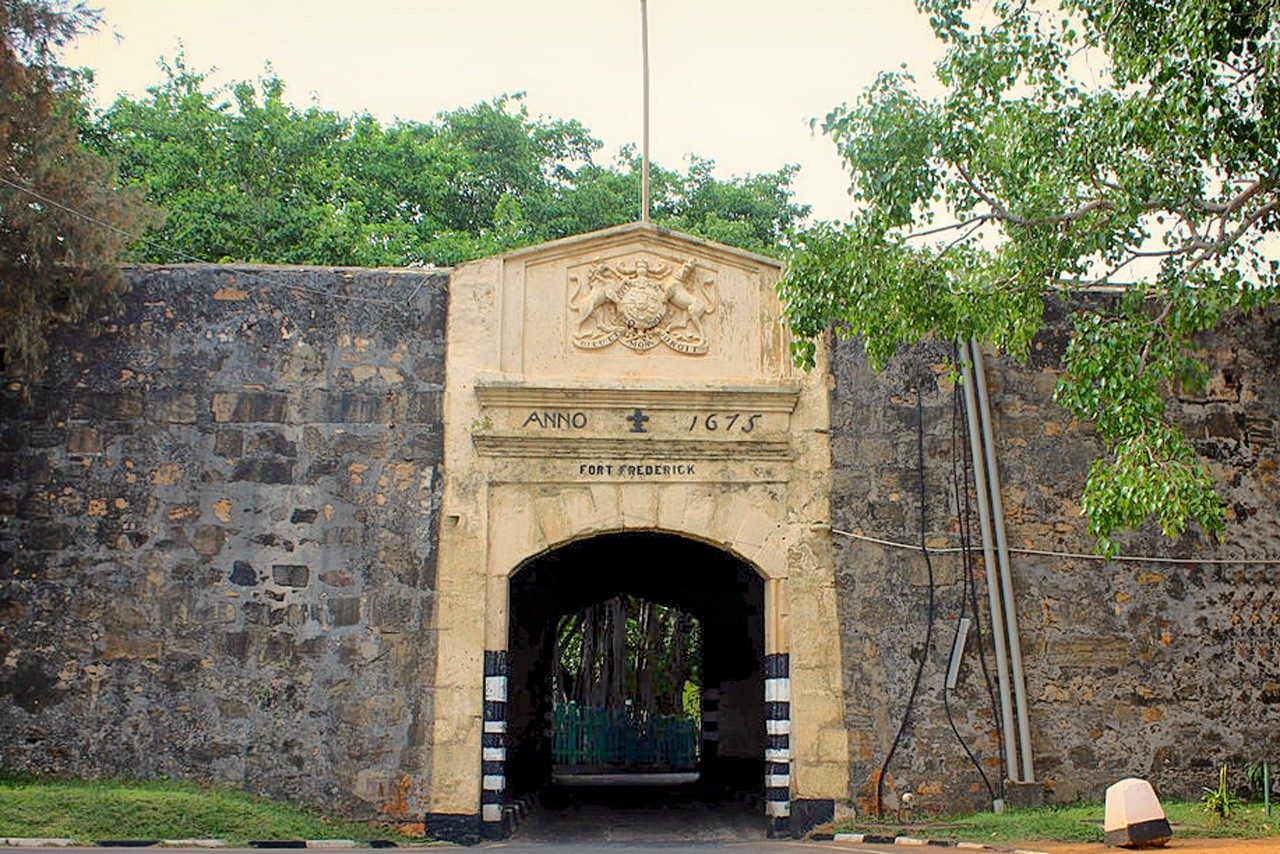
Fort Frederick

Fort Frederick

5 min drive

landmark

A historic fort built by the Portuguese in 1623, featuring ancient ramparts and roaming deer. Visitors can walk the grounds to reach the cliff edge.

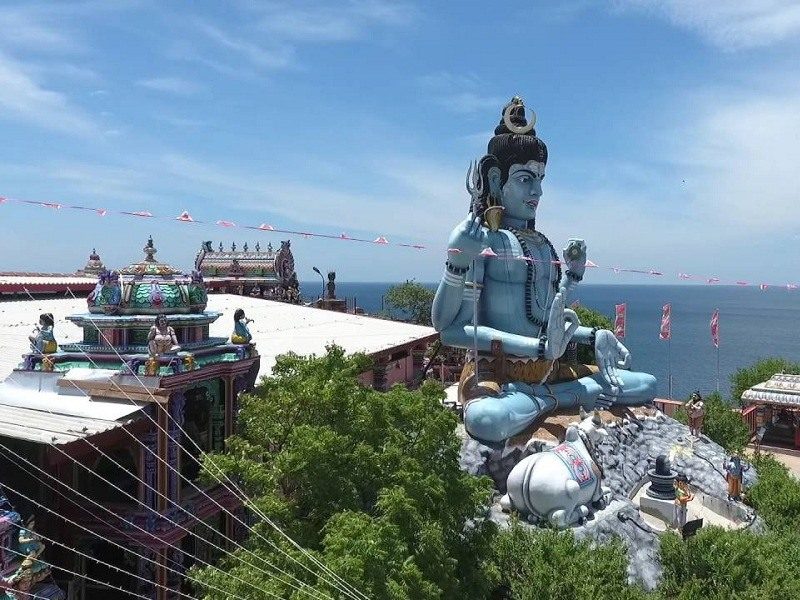
Koneswaram Temple

Koneswaram Temple

7 min drive

landmark

A classical Hindu temple complex dedicated to Shiva, perched atop Swami Rock. It offers panoramic views of the harbor and the Indian Ocean.

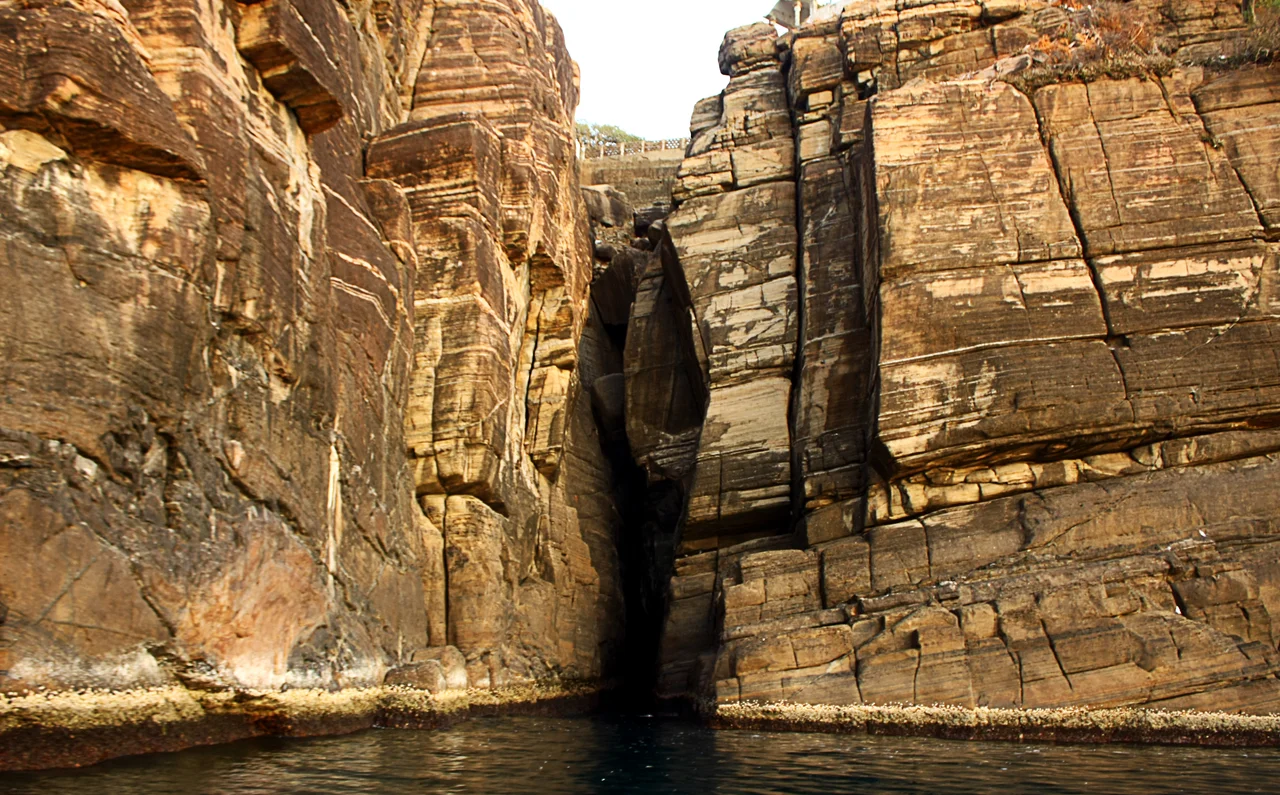
Lovers Leap

Lovers Leap

8 min drive

viewpoint

A sheer cliff face drop adjacent to Koneswaram Temple, associated with a tragic local folklore legend.

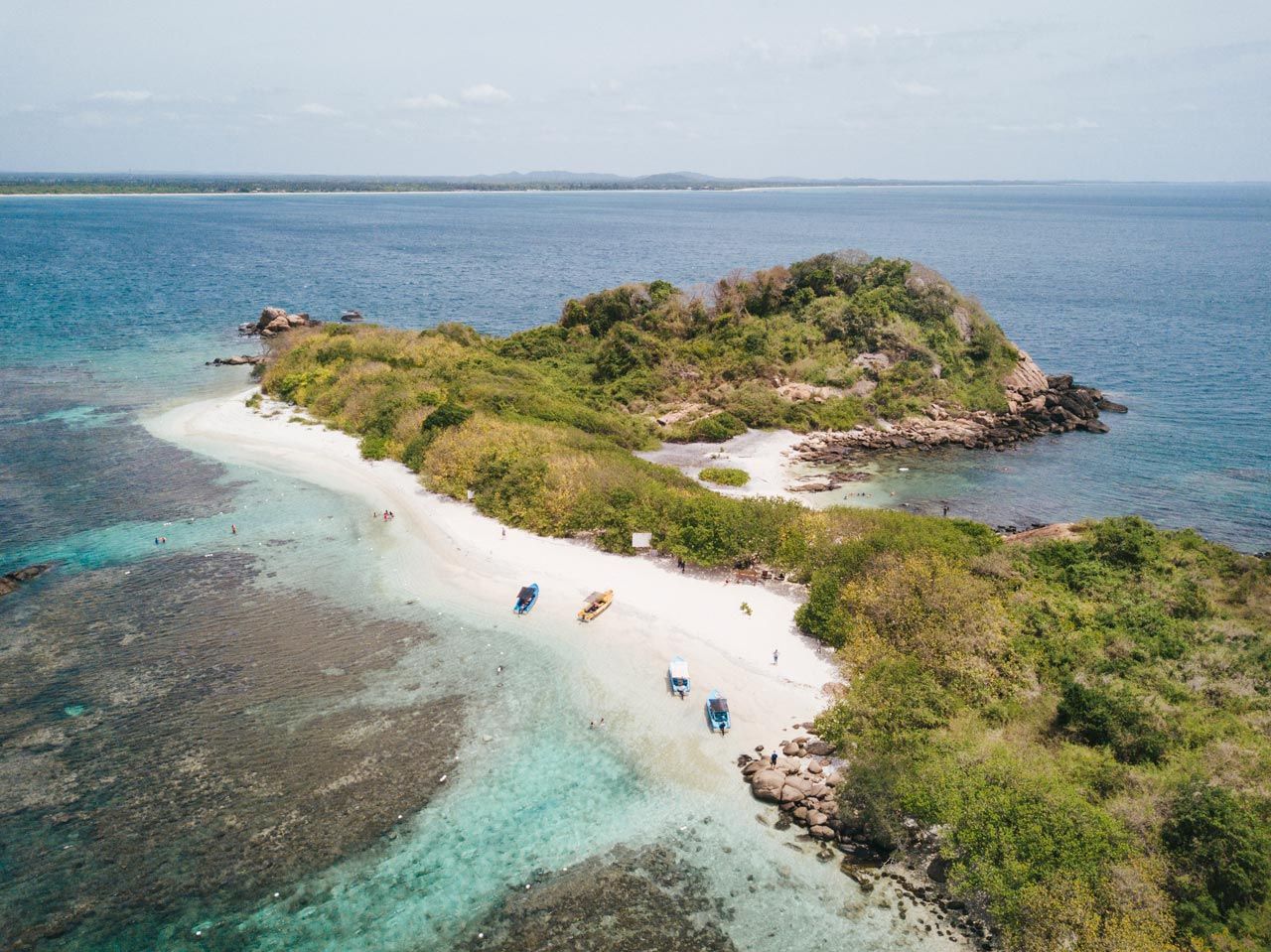
Pigeon Island Marine National Park

Pigeon Island Marine National Park

30 min drive

park

A marine sanctuary located off Nilaveli beach, famous for its coral reefs and blacktip reef sharks. After returning from your Trincomalee marine mammal excursion, this park makes a perfect afternoon stop.

Where to stay

Where to stay near Trincomalee Blue Whale Watching

Trinco Blu by Cinnamon

Trinco Blu by Cinnamon

12 min drive

mid-range

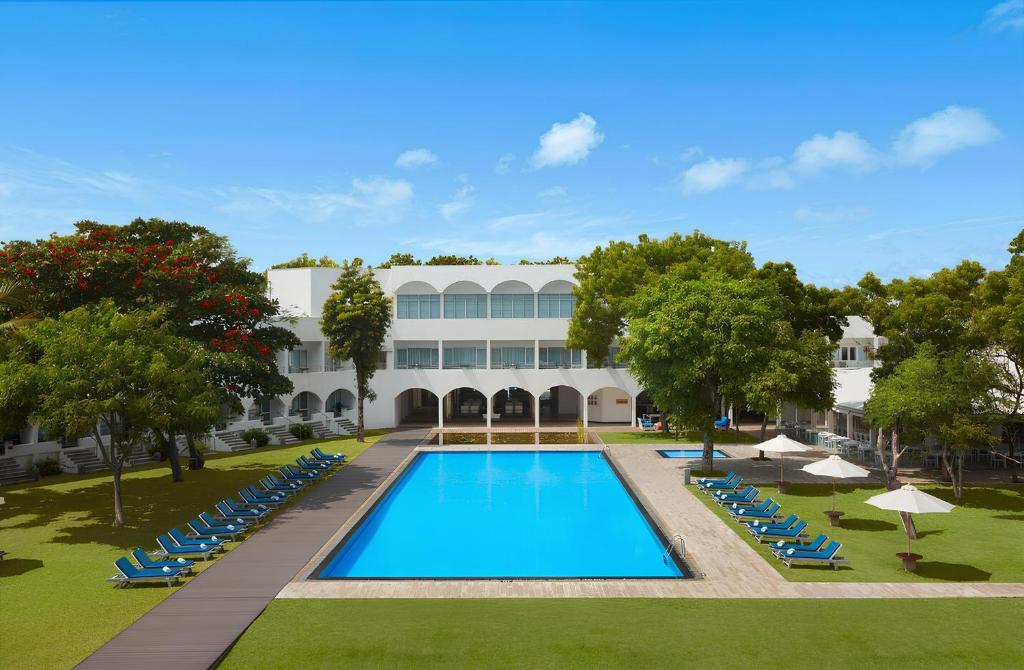
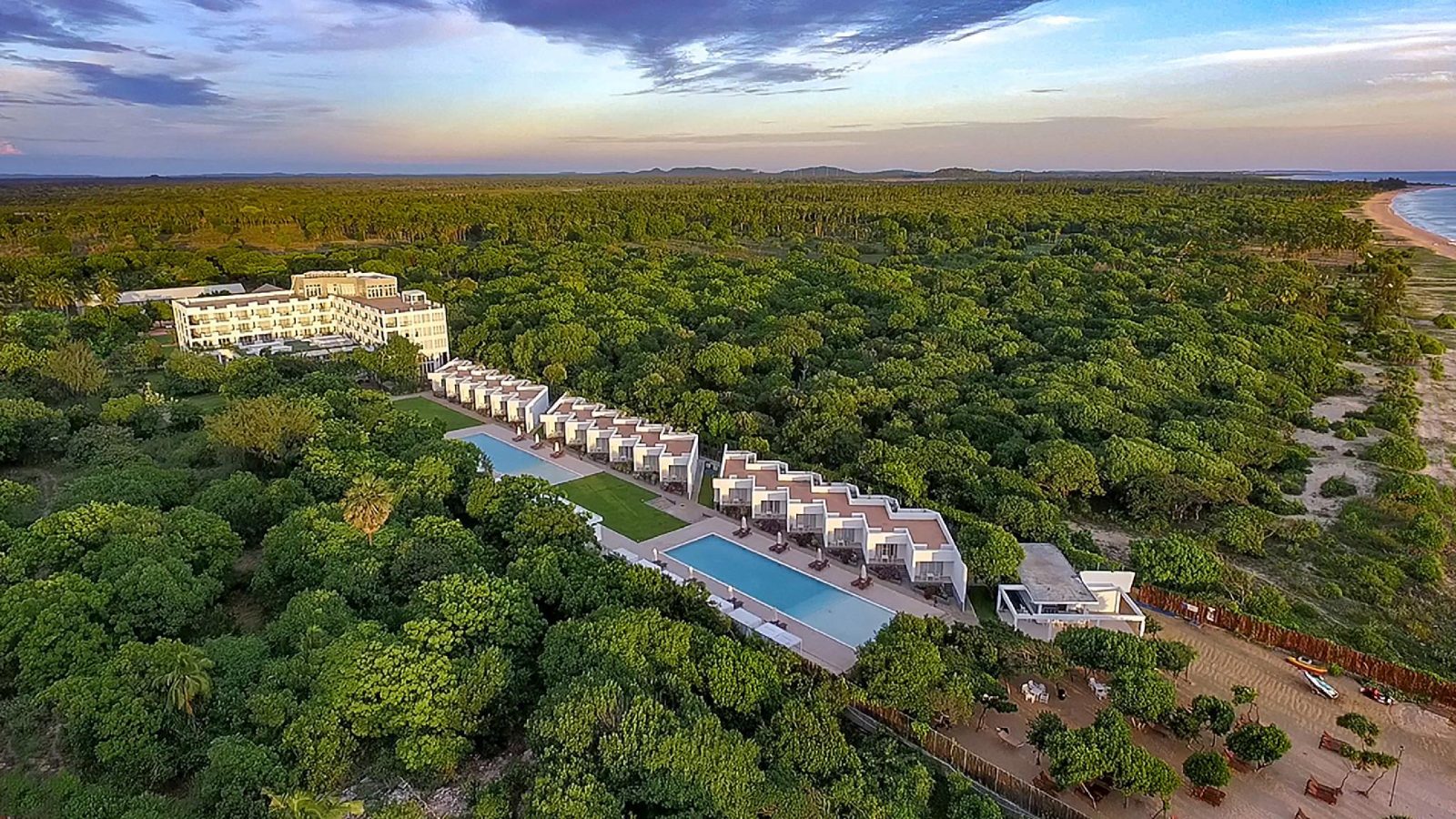
A retro-chic beachfront resort located in Uppuveli, offering comfortable rooms and an on-site dive center.

Nilaveli Beach Hotel

Nilaveli Beach Hotel

20 min drive

luxury

A classic hotel situated directly on Nilaveli Beach, offering peaceful garden villas and easy boat access to the ocean.

Amethyst Resort Trincomalee

Amethyst Resort Trincomalee

15 min drive

mid-range

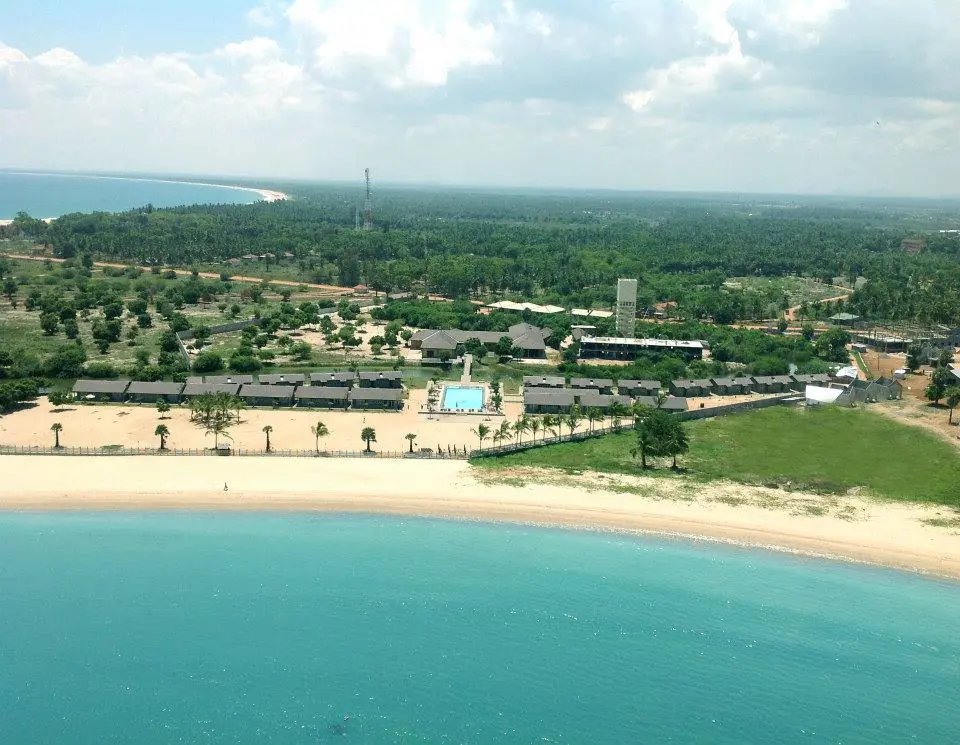
Located along the calm waters of Uppuveli, featuring private chalets and a large outdoor swimming pool.

Ready for Adventure?

Join thousands of happy travelers who have discovered this incredible experience

Book Your Experience Now