Open today · 06:00–18:00

Trincomalee Whale Watching Boat

Trincomalee Whale Watching Boat Safaris — Dawn Departures for Blue Whales

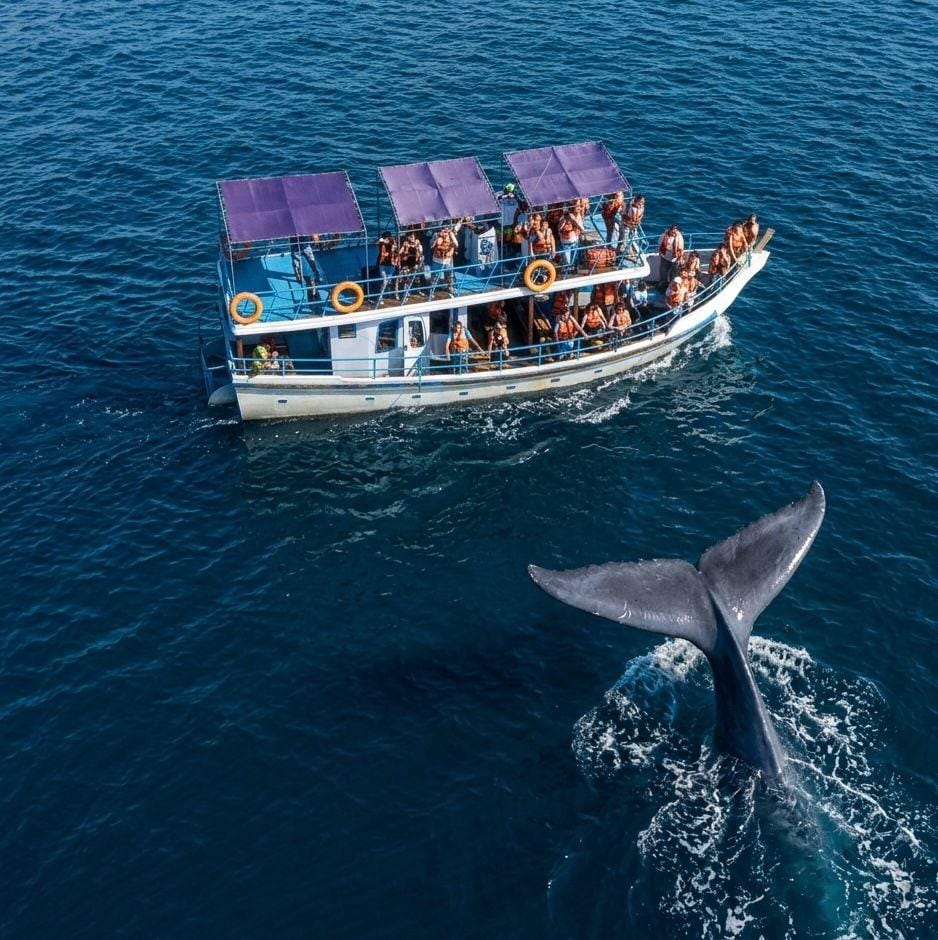
Dawn breaks over the harbour, and the blue whales rise to breathe.

50K+ travelers chose this
Free Cancellation
Right now: Moderate — summer peak season Early morning departure recommended for the calmest sea conditions.
Free Cancellation
Free cancellation Instant confirmation Mobile voucher Verified partner Book now, pay later
6–8 NM
Distance offshore
Roughly a 30-minute boat ride
3,000 m+
Submarine canyon depth
Brings deep-sea ocean life near shore
Up to 30 m
Blue whale length
The largest mammal on Earth
100s
Dolphins per pod
Particularly acrobatic spinner dolphins
0 LKR
Sea entrance fee
Tour prices vary by private operator
Choose your ticket

Trincomalee Whale Watching Boat tickets at a glance

Compare fares, pick the fit — all bookings are mobile-voucher and eligible for free cancellation where shown.

Trincomalee Whale & Dolphin Ocean Safari 3 hr
Standard Entry

Trincomalee Whale & Dolphin Ocean Safari

4.2 (85)
€45
  • Entry ticket
  • Mobile voucher
  • Valid same day
  • Free cancellation
Book this ticket
Trincomalee Sunrise Dolphin & Whale Boat Safari 3 hr
Standard Entry

Trincomalee Sunrise Dolphin & Whale Boat Safari

3.9 (68)
€21
  • Entry ticket
  • Mobile voucher
  • Valid same day
  • Free cancellation
Book this ticket
Compare options

Compare Trincomalee Whale Watching Boat ticket options

To secure your spot on a trincomalee whale watching boat, you can choose from a few distinct options. A Trincomalee marine mammal safari offers spectacular sightings of blue whales and spinner dolphins in the Indian Ocean. Comparing the available trincomalee whale watching boat tours helps you select the perfect level of privacy. Early morning departures offer the highest probability of sightings on the calm sea. Securing your trincomalee whale watching boat tickets online avoids last-minute logistics at the harbor.

Top pick
Shared Boat Tour Shared motorboat
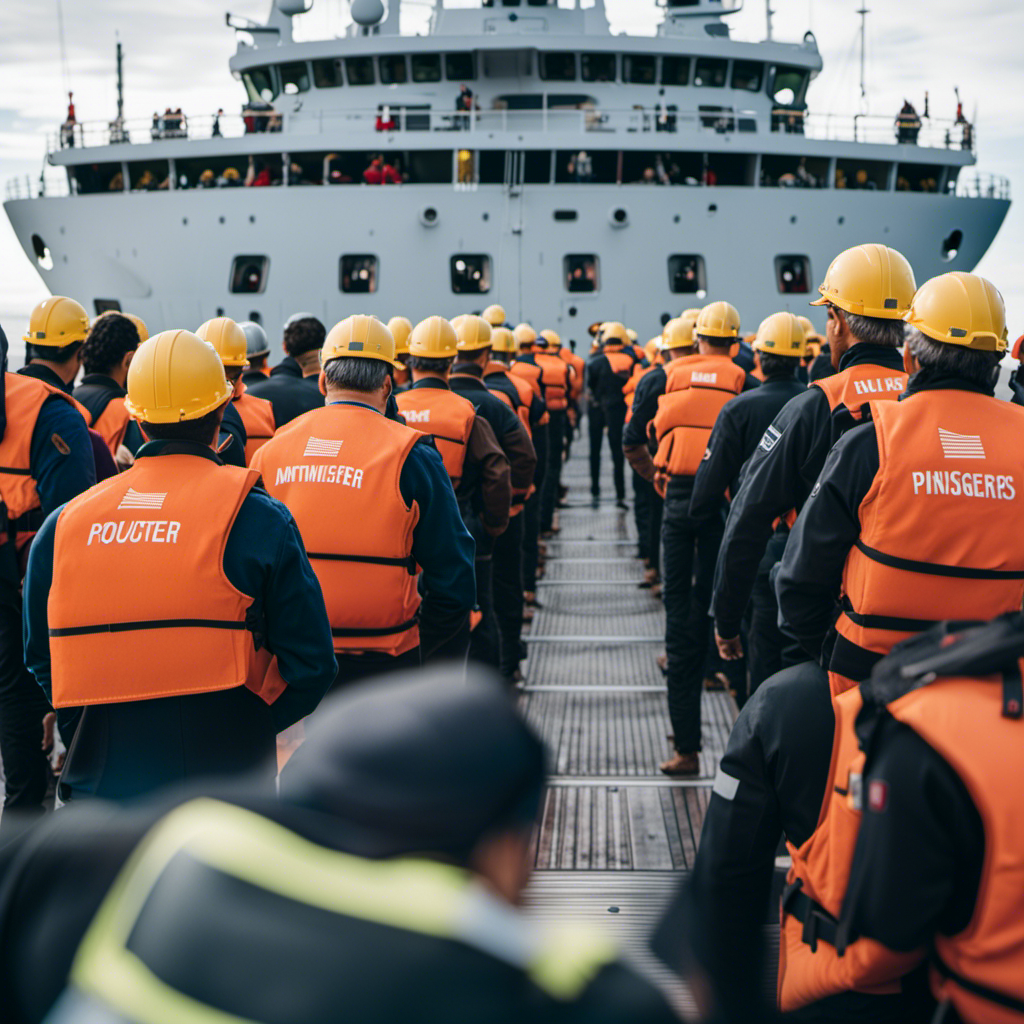
Private Charter Boat Private motorboat Navy Passenger Cruise Large naval deck vessel
Average cost ~$110–$250 USD per boat ~$80 USD per adult
Group size Up to 6 guests Up to 300+ passengers
Weekly schedule Daily departure Weekends only
Departure window 06:00–06:30 06:45 departure
Snorkeling option Customizable add-on Not available
Best for Families and small groups Large groups seeking stability

Verdict: For most travelers, a shared trincomalee whale watching boat tour offers the best balance of value and sighting opportunities, whereas private charters are best for families.

Is a Trincomalee Whale Watching Boat Tour Worth the Price?

Worth it for early risers who commit to sunrise

There is no entrance fee to the sea itself, so what you pay goes entirely to a private operator, and a trincomalee whale watching boat trip lives or dies on two things: sea conditions and timing. The math favors shared charters if you want to spread fuel costs across a full boat, while a private charter buys you room, flexibility and no strangers when the swell picks up. Blue whales and spinner dolphins pass this stretch of the Bay of Bengal, but sightings are never guaranteed, so treat the fee as paying for the ocean safari, not a promised whale. Options like the Navy Island snorkeling add-on or the Pigeon Island marine safari stretch the value further by bundling reef time. It pays off for anyone who arrives at 06:00–06:30 for calm seas; skip it if choppy water and a two-hour wait for a distant blow will sour your morning.

What makes it worth it

  • No entrance fee; you only pay the operator
  • Shared charters split fuel cost across the boat
  • Snorkeling add-ons bundle reef time into one trip
  • Calm 06:00–06:30 seas raise sighting odds
  • Private cruise option buys space and flexibility

Keep in mind

  • Whale sightings never guaranteed despite the fare
  • Afternoon swell brings real seasickness risk
  • Private charters cost noticeably more than shared
  • Prices vary widely by operator and season

Bottom line: Book a sunrise trincomalee whale watching boat tour if you can stomach an early start and no guarantees — otherwise keep your money.

Head to head

Trincomalee Whale Watching Boat vs Mirissa: Choosing the Right Coast

They complement each other; most visitors who do both call the trincomalee whale watching boat tour the more intimate and peaceful choice. This Trincomalee marine excursion takes you across the continental shelf to spot blue whales in small fiberglass skiffs, avoiding the commercial rush of the southern coast. It is ideal if you value quiet marine encounters rather than sharing the water with dozens of larger tourist vessels.

Top pick
Trincomalee
Mirissa
Best Season November to April
Sea Conditions Choppy, moderate ocean swells
Crowd Levels High, heavily commercialized and busy
Boat Types Large double-decker passenger vessels
Travel Distance from Shore 5–11 nautical miles (10–20 km)
Sightings Probability Approximately 90% to 95%

Verdict: If you prefer small-group outings, booking trincomalee whale watching boat tours during the summer offers calm seas. The boats are much smaller and less intrusive than those in the south. However, you should still secure your trincomalee whale watching boat tickets in advance to guarantee a spot during the peak months of July and August.

Featured Experiences

Popular Trincomalee Whale Watching Boat tours & activities

Hand-picked experiences loved by thousands of travelers

Recommended Experience

Powered by GetYourGuide

Another traveler favorite

Powered by GetYourGuide
Trincomalee Private Dolphin, Whale & Snorkeling Cruise 6 hours Free Cancellation

Trincomalee Private Dolphin, Whale & Snorkeling Cruise

Search for marine giants and snorkel vibrant reefs on a private dawn ocean excursion from Trincomalee.

5 (5)
FromFrom €63.18
See details
Trincomalee Marine Safari: Whale Watching & Pigeon Island Snorkeling 7 hours Free Cancellation

Trincomalee Marine Safari: Whale Watching & Pigeon Island Snorkeling

Search for giant blue whales and snorkel with reef sharks on this full-day Trincomalee ocean adventure.

4.8 (5)
FromFrom €101.99
See details
Trincomalee Marine Adventure: Whales, Dolphins & Reef Snorkeling 5 hours Free Cancellation

Trincomalee Marine Adventure: Whales, Dolphins & Reef Snorkeling

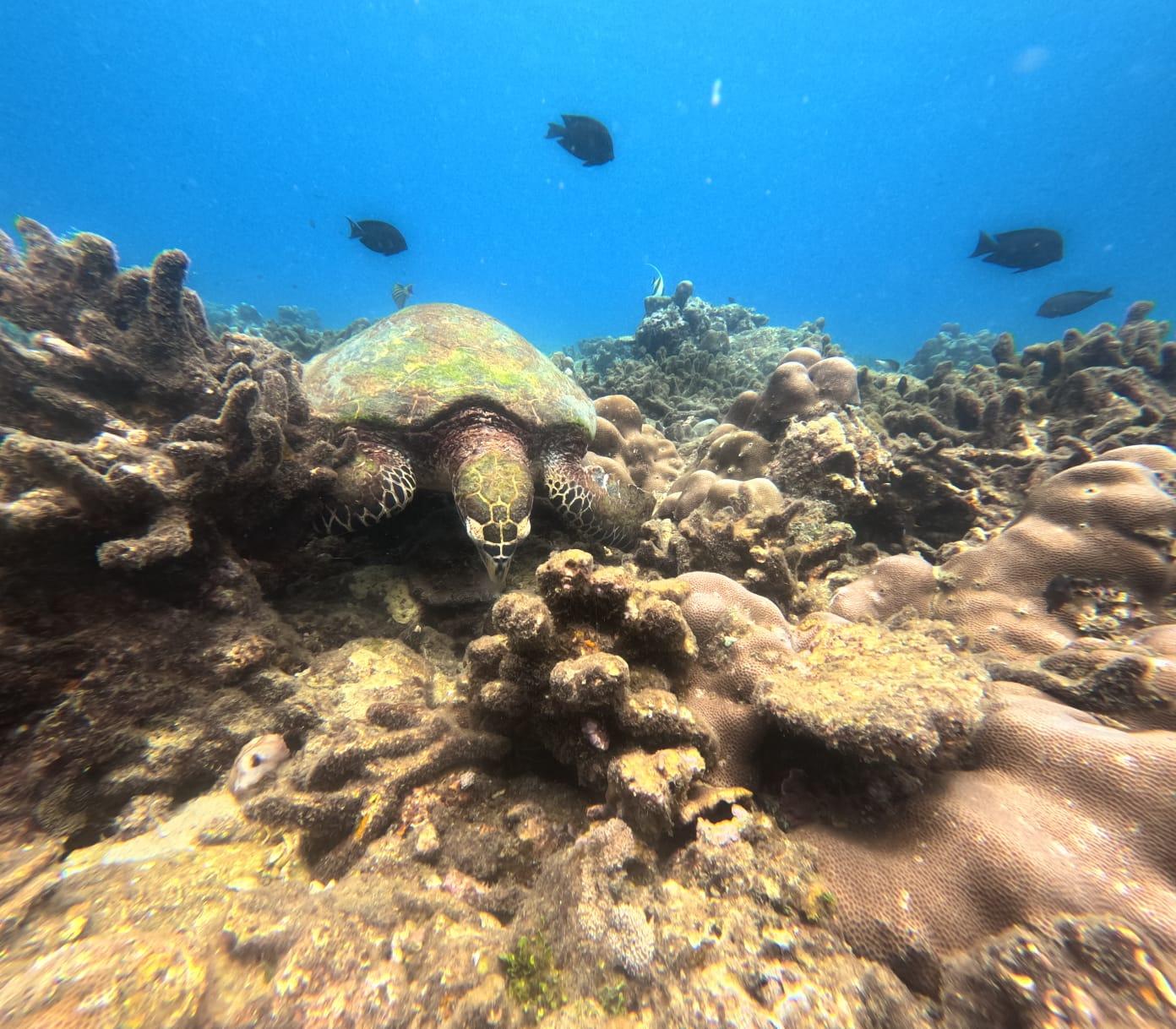
Spot whales at sunrise and snorkel with turtles and vibrant fish on this guided Trincomalee ocean adventure.

5 (4)
FromFrom €115.11
See details
Trincomalee Guided Whale Snorkeling Excursion 3 hours Free Cancellation

Trincomalee Guided Whale Snorkeling Excursion

Swim alongside majestic ocean giants in Sri Lanka's deep waters on a guided Trincomalee snorkeling trip.

5 (2)
FromFrom €172.53
See details
Nilaveli Marine Adventure: Whale Watching, Dolphins & Snorkeling 3 - 4 hours Free Cancellation

Nilaveli Marine Adventure: Whale Watching, Dolphins & Snorkeling

Search for whales, watch playful dolphins, and snorkel Pigeon Island's reefs on a premium Trincomalee ocean cruise.

5 (1)
FromFrom $31.01
See details
Trincomalee Whale & Dolphin Watching Safari from Pasikuda 2 hours Free Cancellation

Trincomalee Whale & Dolphin Watching Safari from Pasikuda

Embark on an eco-friendly marine safari from Pasikuda to spot blue whales and dolphins in Trincomalee.

5 (1)
FromFrom €80.52
See details
Trincomalee Sunrise Whale & Dolphin Watching Speedboat Tour 4 hours Free Cancellation

Trincomalee Sunrise Whale & Dolphin Watching Speedboat Tour

Search for majestic marine life at dawn on a thrilling speedboat cruise complete with drinks and hotel transfers.

FromFrom €82.22
See details
Your journey

Your Trincomalee Whale Watching Boat day, step by step

1
Arrival and Check-in

Arrival and Check-in

Arrive at the designated harbour or beach point between 06:00 and 06:30 for registration and safety gear fitting.

2
Safety Briefing

Safety Briefing

Listen to the crew explain emergency protocols and local marine conservation guidelines before boarding.

3
Deep Sea Navigation

Deep Sea Navigation

Travel eight nautical miles offshore towards the continental shelf to reach the feeding grounds of marine mammals.

4
Wildlife Observation

Wildlife Observation

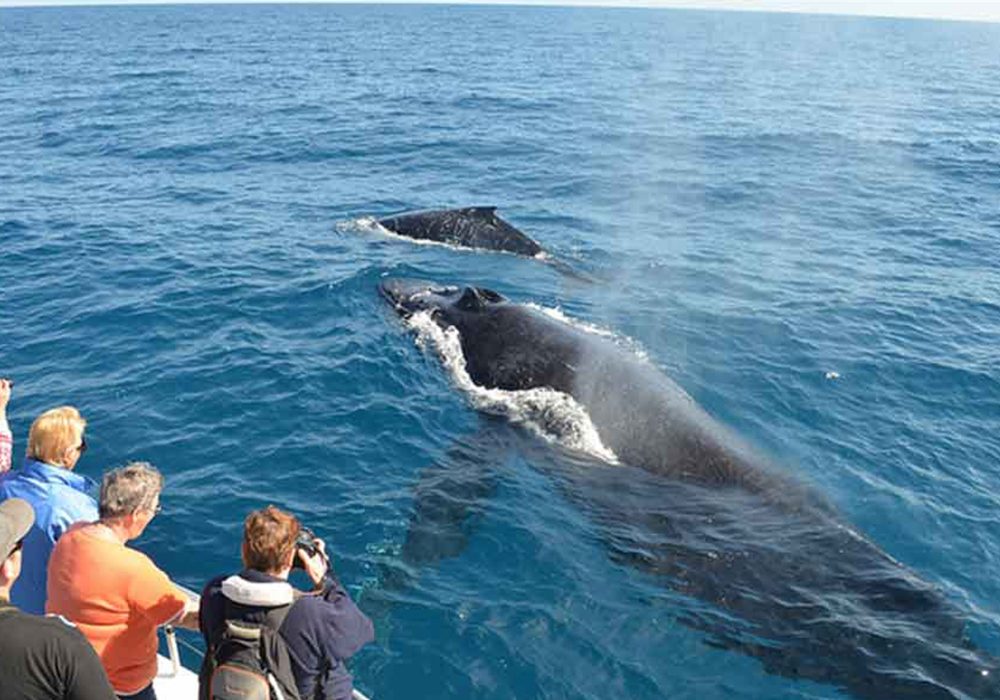
Scan the horizon for blows and dorsal fins, observing blue whales and dolphins from a safe distance.

5
Return to Shore

Return to Shore

Head back to Nilaveli Beach or the harbour, enjoying coastal views of the Trincomalee peninsula.

What you'll see

What you'll see at Trincomalee Whale Watching Boat

Continental Shelf Drop-off

The continental shelf edge lies roughly 8 nautical miles offshore where the ocean floor drops rapidly to depths exceeding 1,000 meters. This dramatic underwater drop-off generates nutrient-rich upwellings that sustain a massive density of krill and marine mammals. It is the primary zone where vessels search for larger cetaceans.

Blue Whale Feeding Grounds

Blue Whale Feeding Grounds

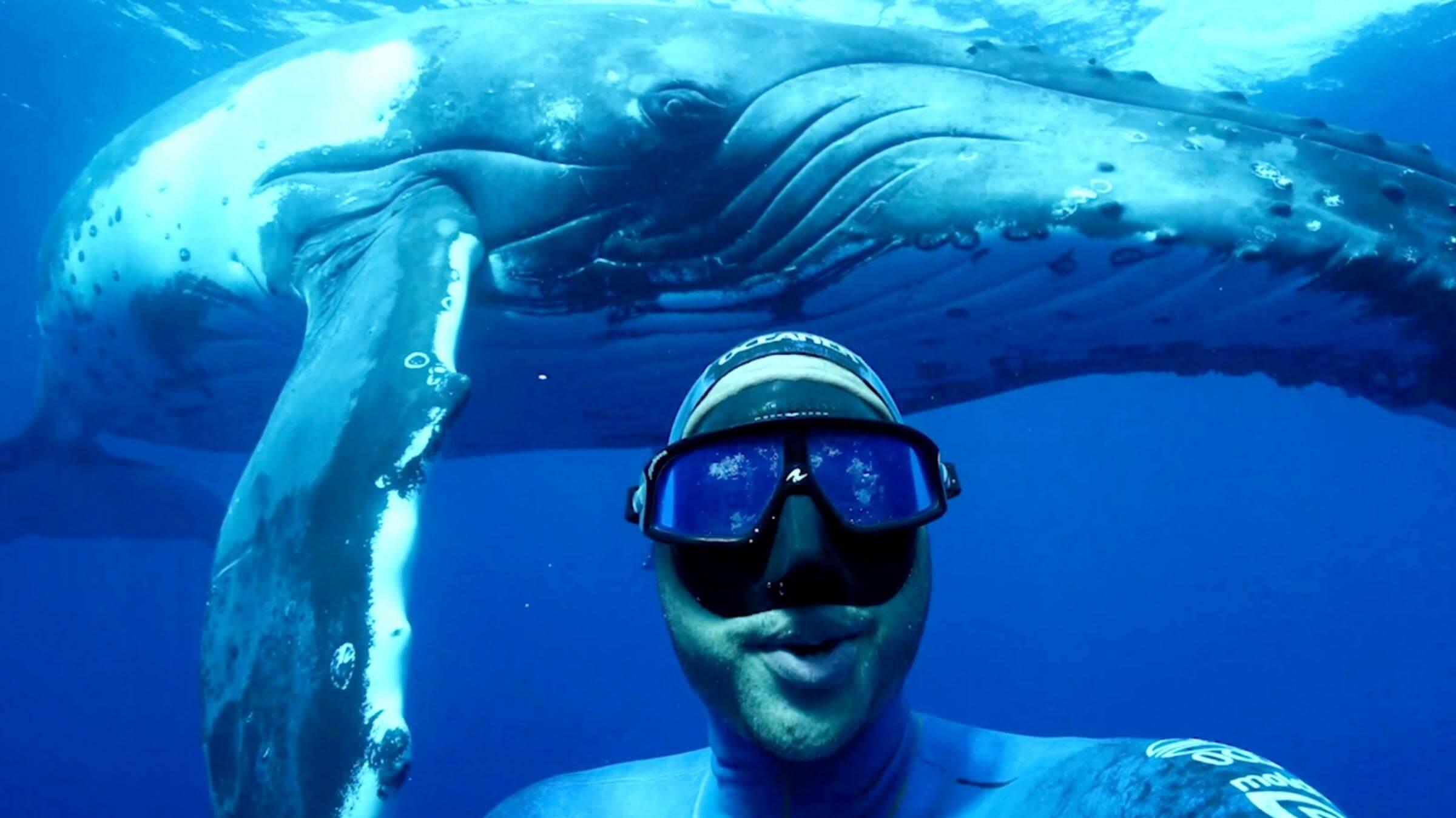
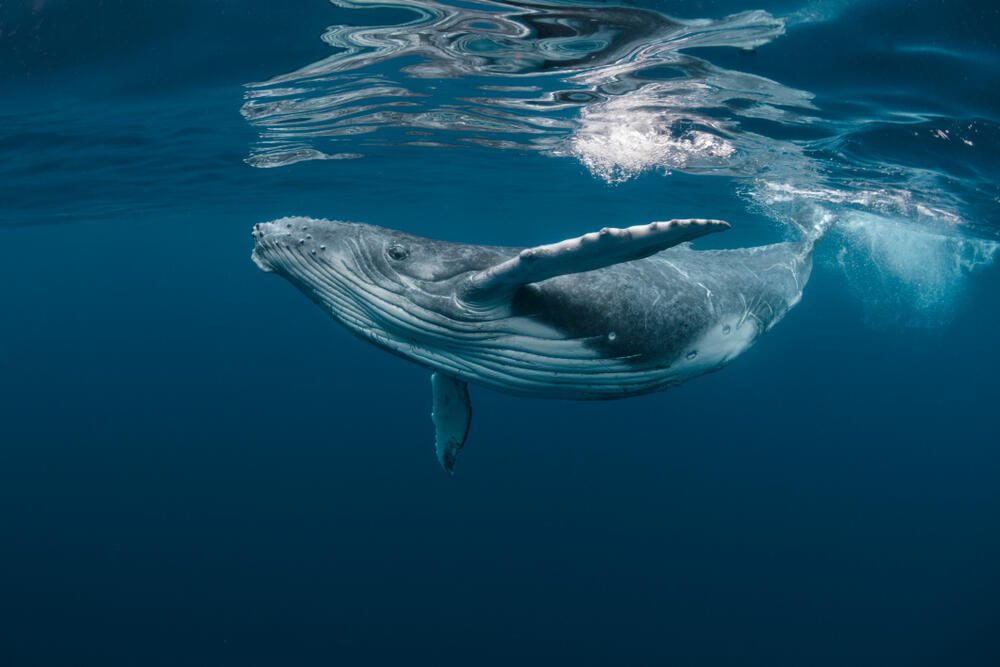
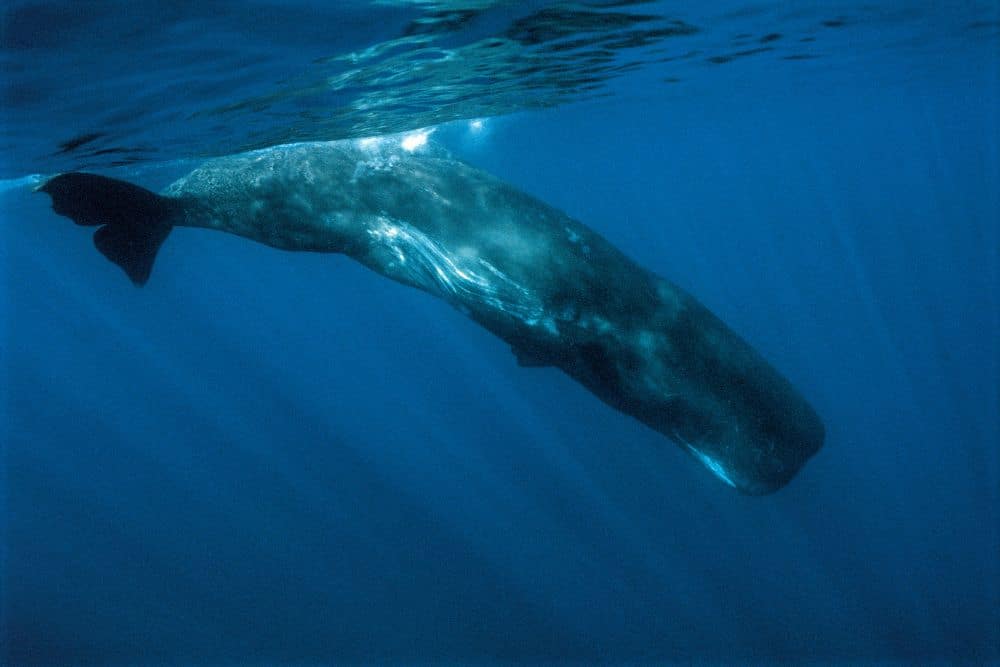
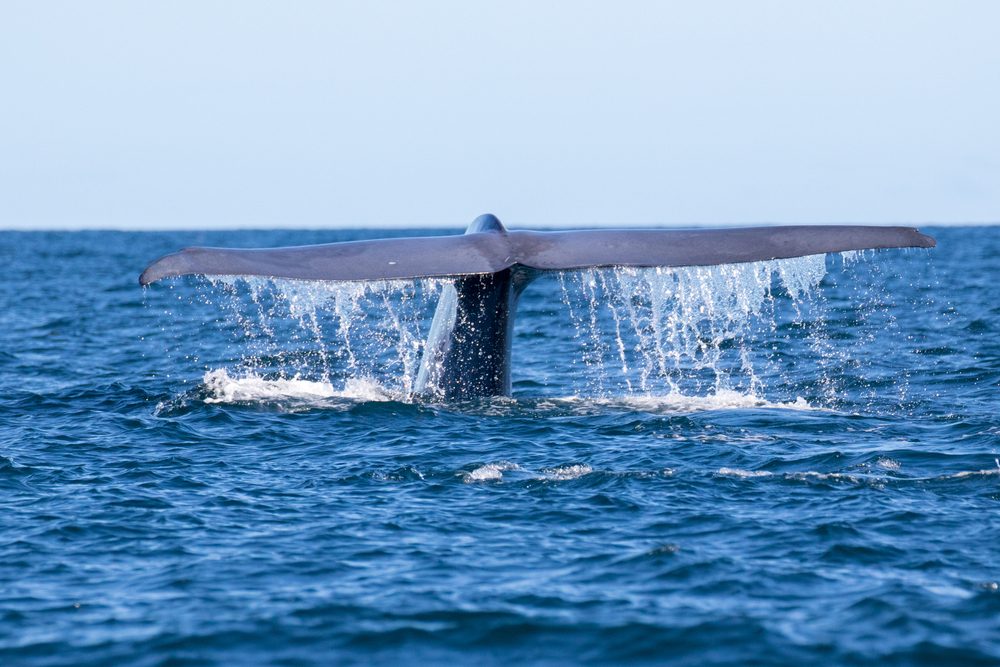
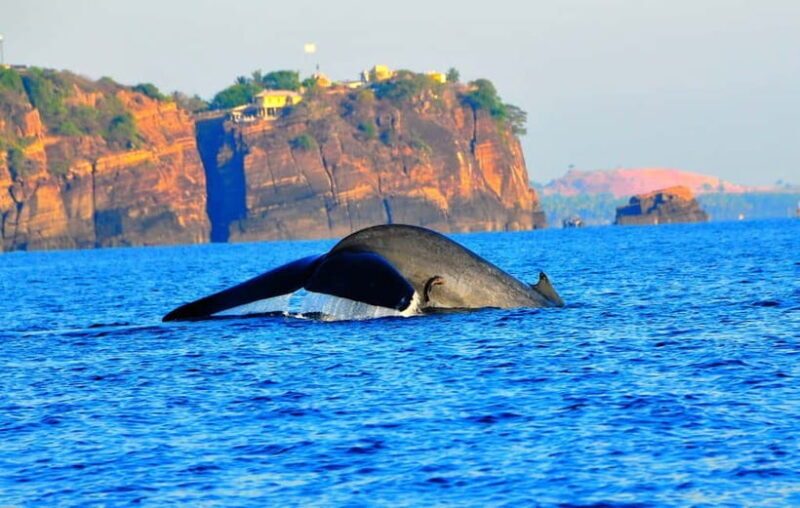
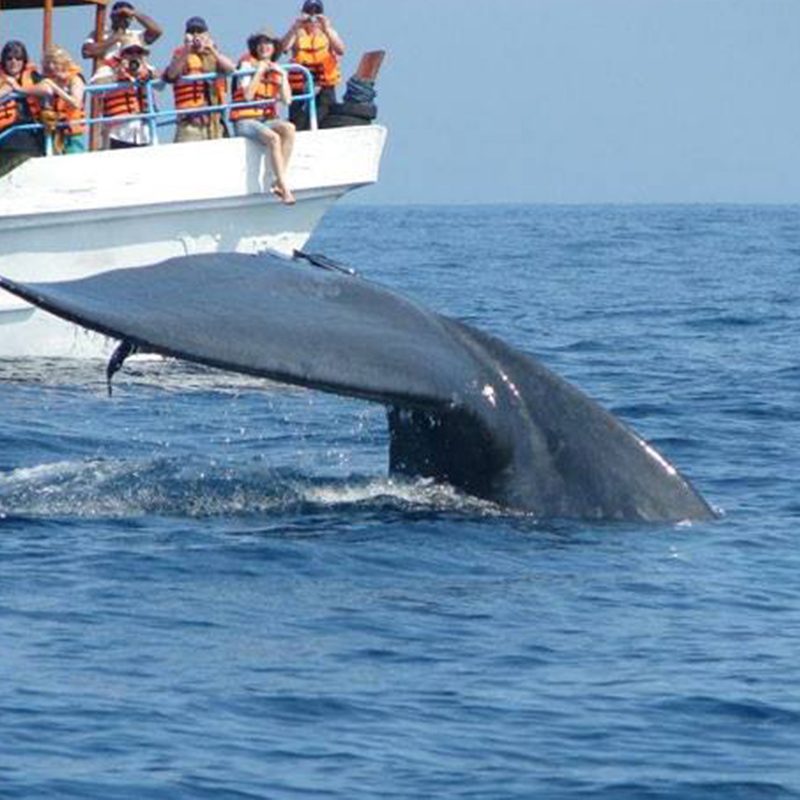
This deep-water sanctuary is one of the world's most reliable areas to observe the blue whale, the largest animal ever known to have lived. Researchers have cataloged over 100 distinct blue whales returning to these specific coordinates annually during their seasonal migrations. Watching their massive 30-meter-long bodies surface to blow is a signature part of the trip.

Spinner Dolphin Pod Territory

Spinner Dolphin Pod Territory

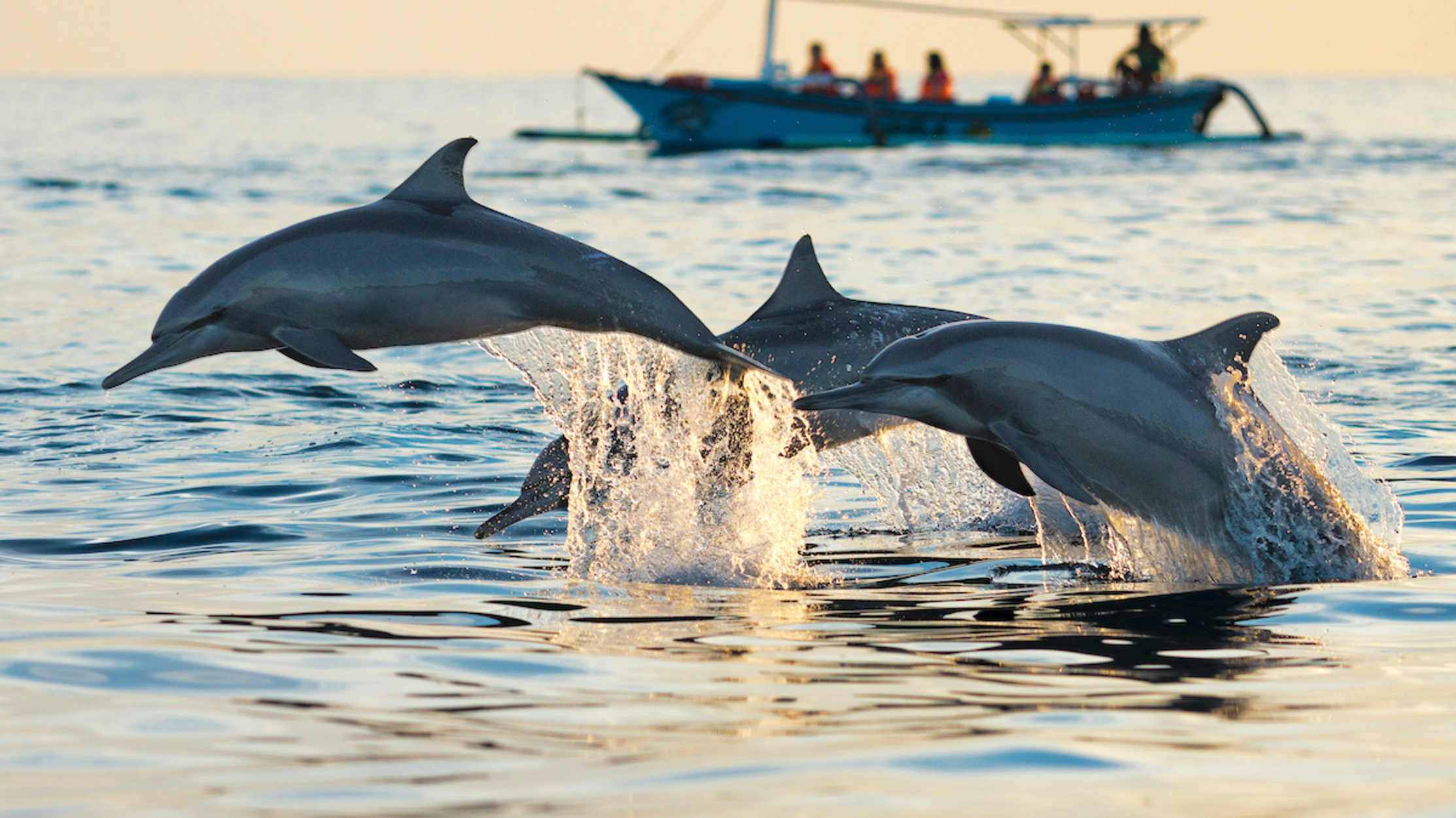
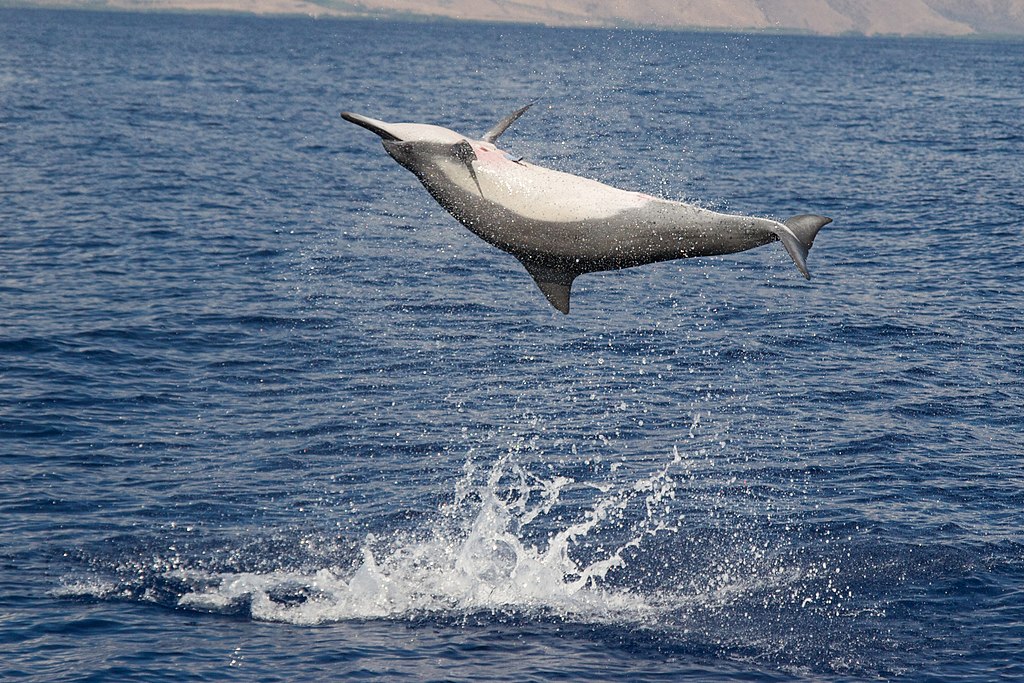
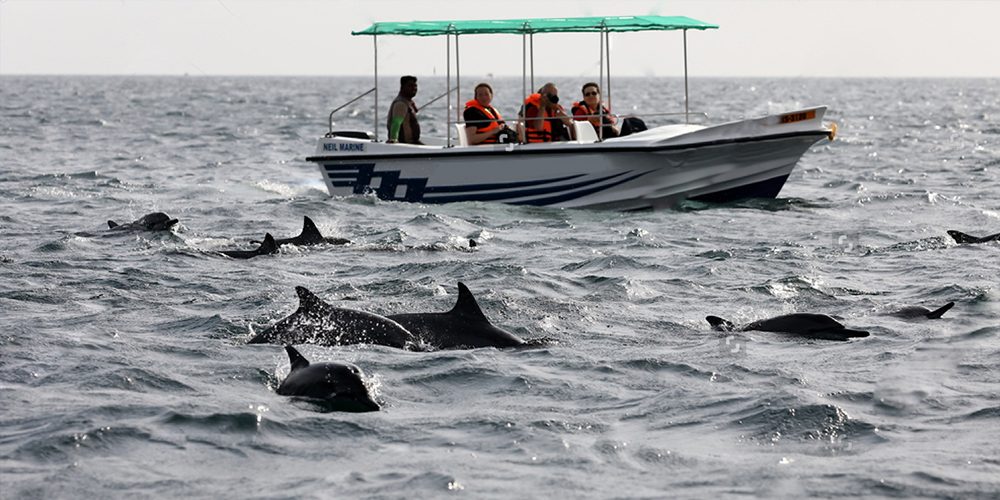
This active marine zone closer to the shore is home to massive resident schools of spinner dolphins. Pods containing up to 300 individuals are frequently observed leaping and spinning up to 3 meters in the air. Their playful acrobatics around the bow of the boat are a common morning highlight.

Sperm Whale Deep Trench

Sperm Whale Deep Trench

Further out near the underwater canyons, sperm whales gather in social units called bachelor schools or family pods. These giant toothed whales dive to depths of up to 2,000 meters for over 45 minutes at a time to hunt in the pitch-black trenches. Spotting their distinctive angled blow is a highlight for deep-sea watchers.

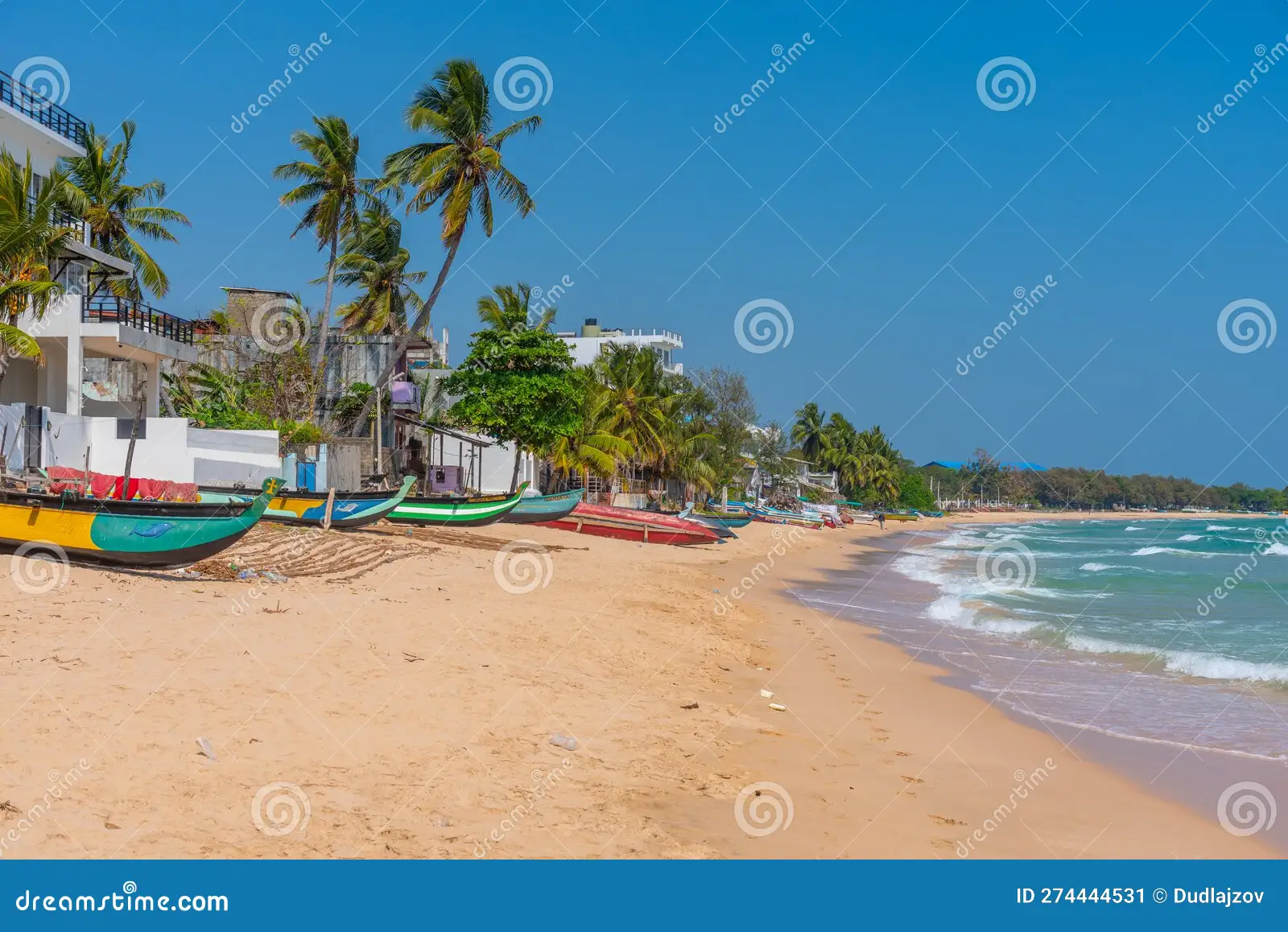
Nilaveli Beach Launching Point

Nilaveli Beach Launching Point

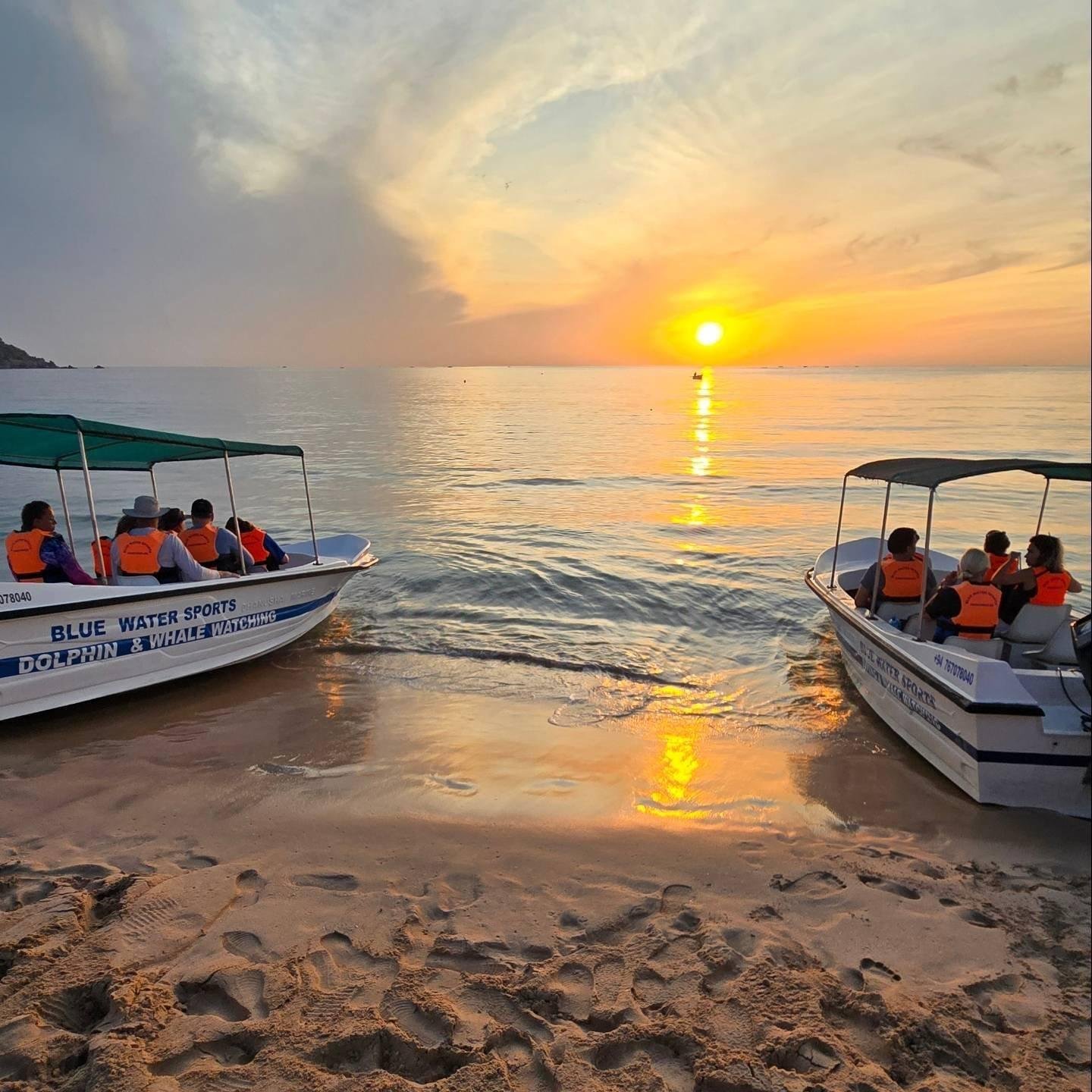
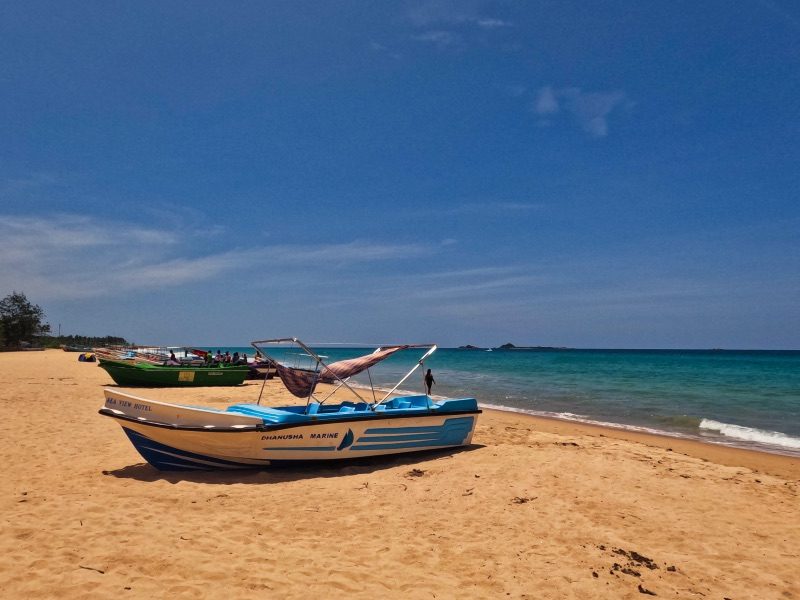
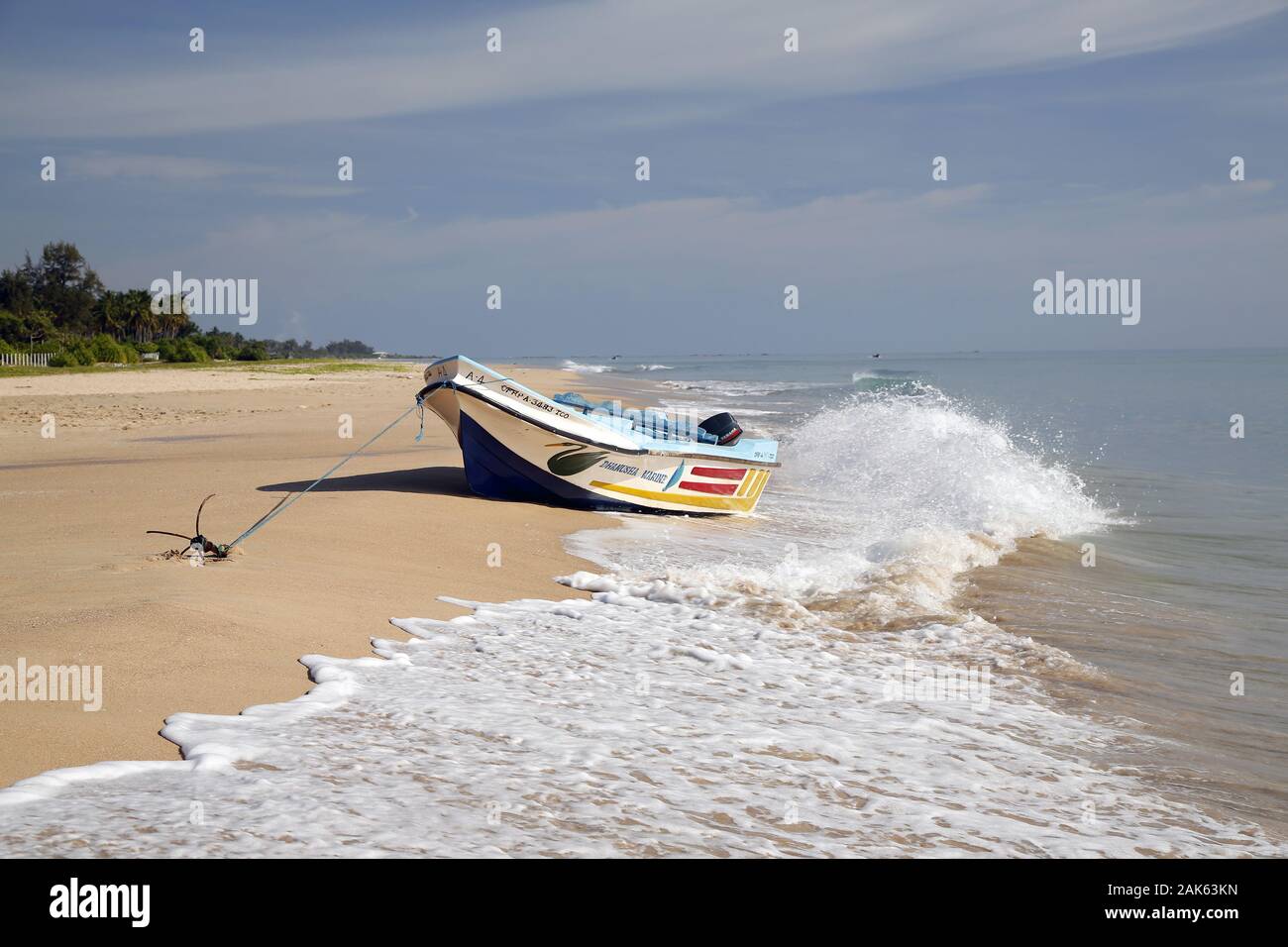
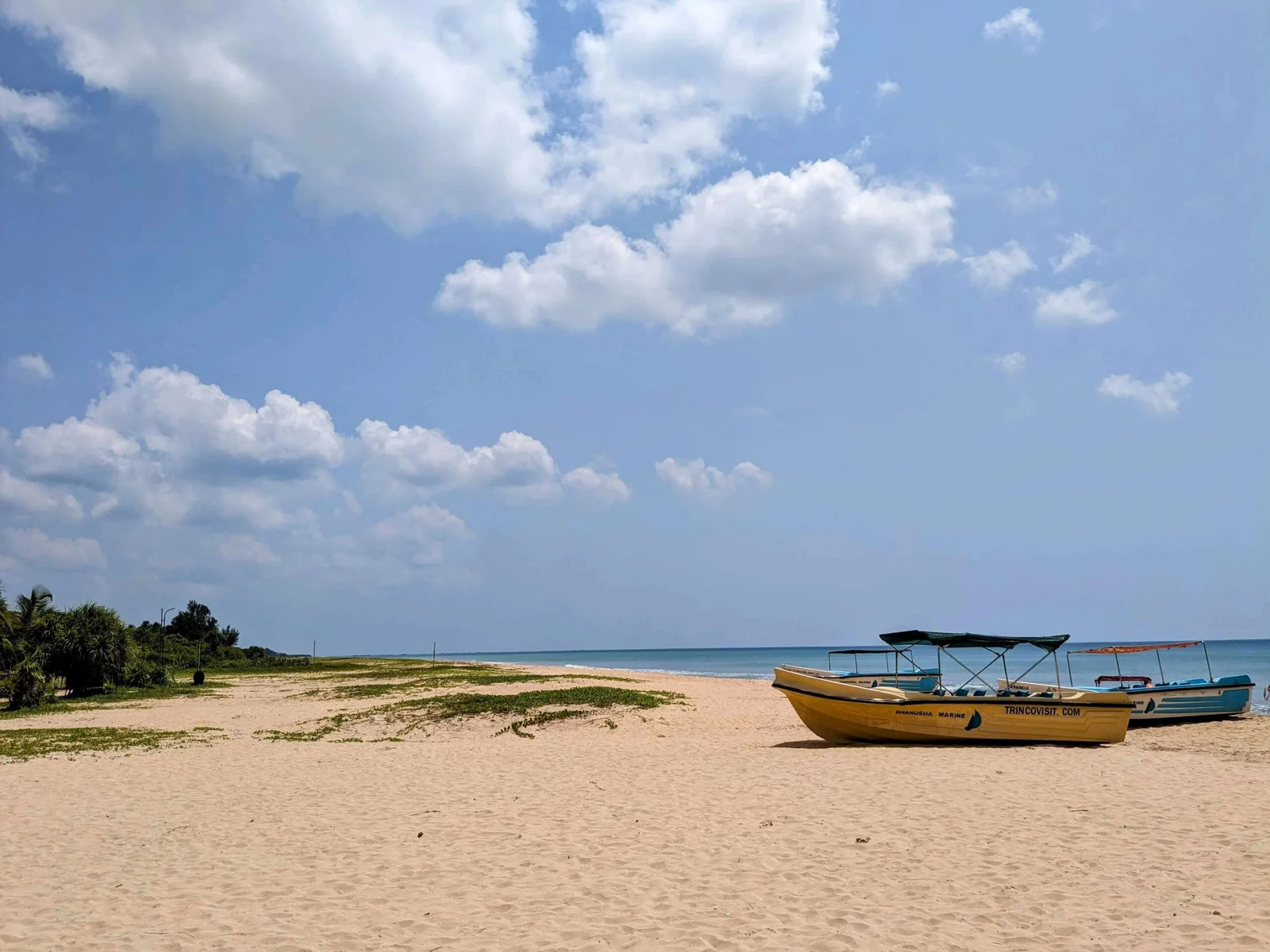
The wide sandy shore serves as the primary beach launching point where passengers board small speedboats directly from the surf. Because there is no jetty here, guests must wade through shallow water up to their knees to embark on the tour. The launch offers clear views of Pigeon Island, situated only 2 kilometers off the coast.

The experience

What visiting Trincomalee Whale Watching Boat is really like

You reach the harbour front while it is still dark, aiming for the 06:00 to 06:30 window when the sea lies flat and the light is soft. You collect your trincomalee whale watching boat tickets, pull a life jacket over your shoulders, and step onto the deck as the engine wakes.

Read more Show less

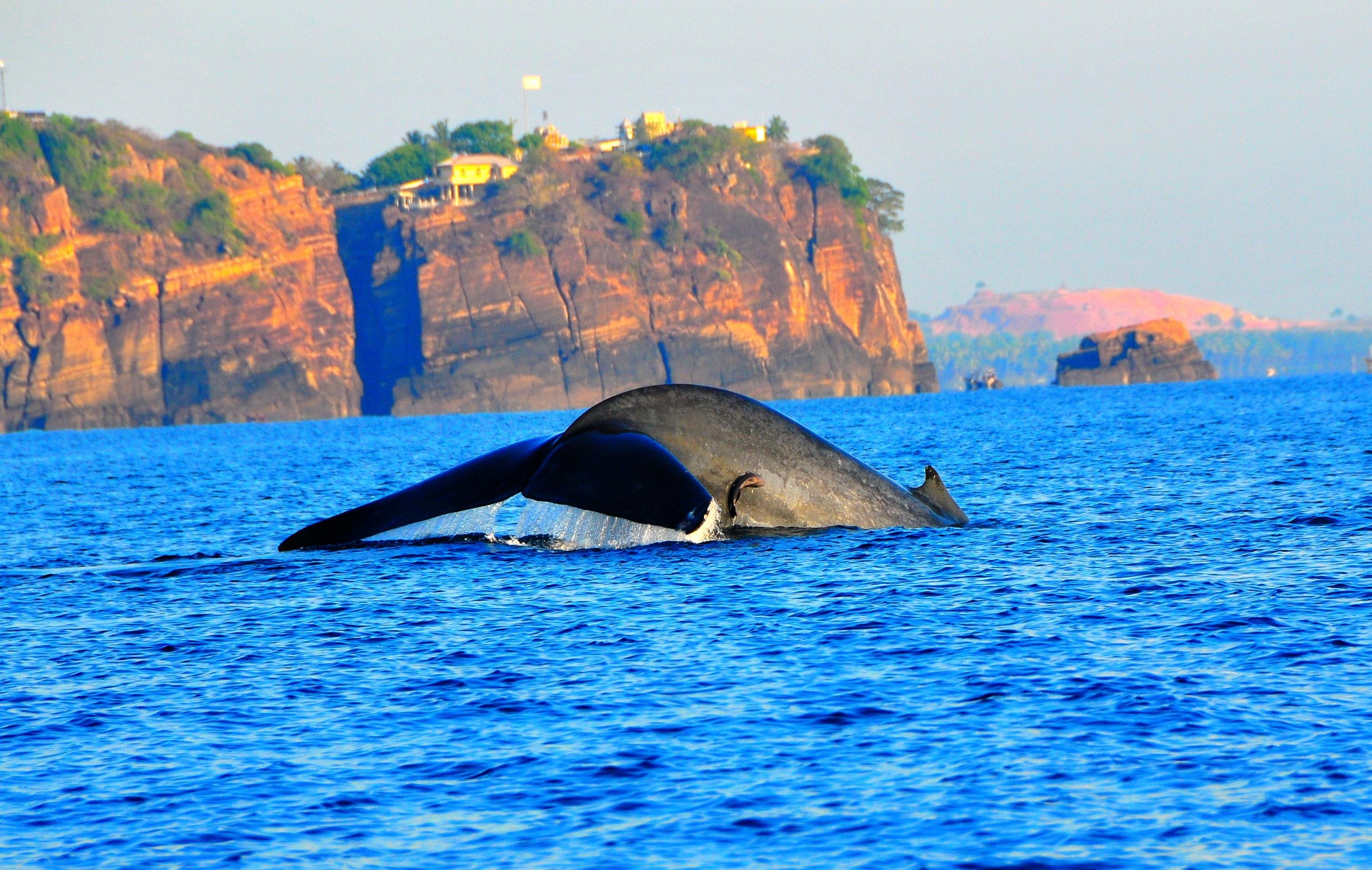
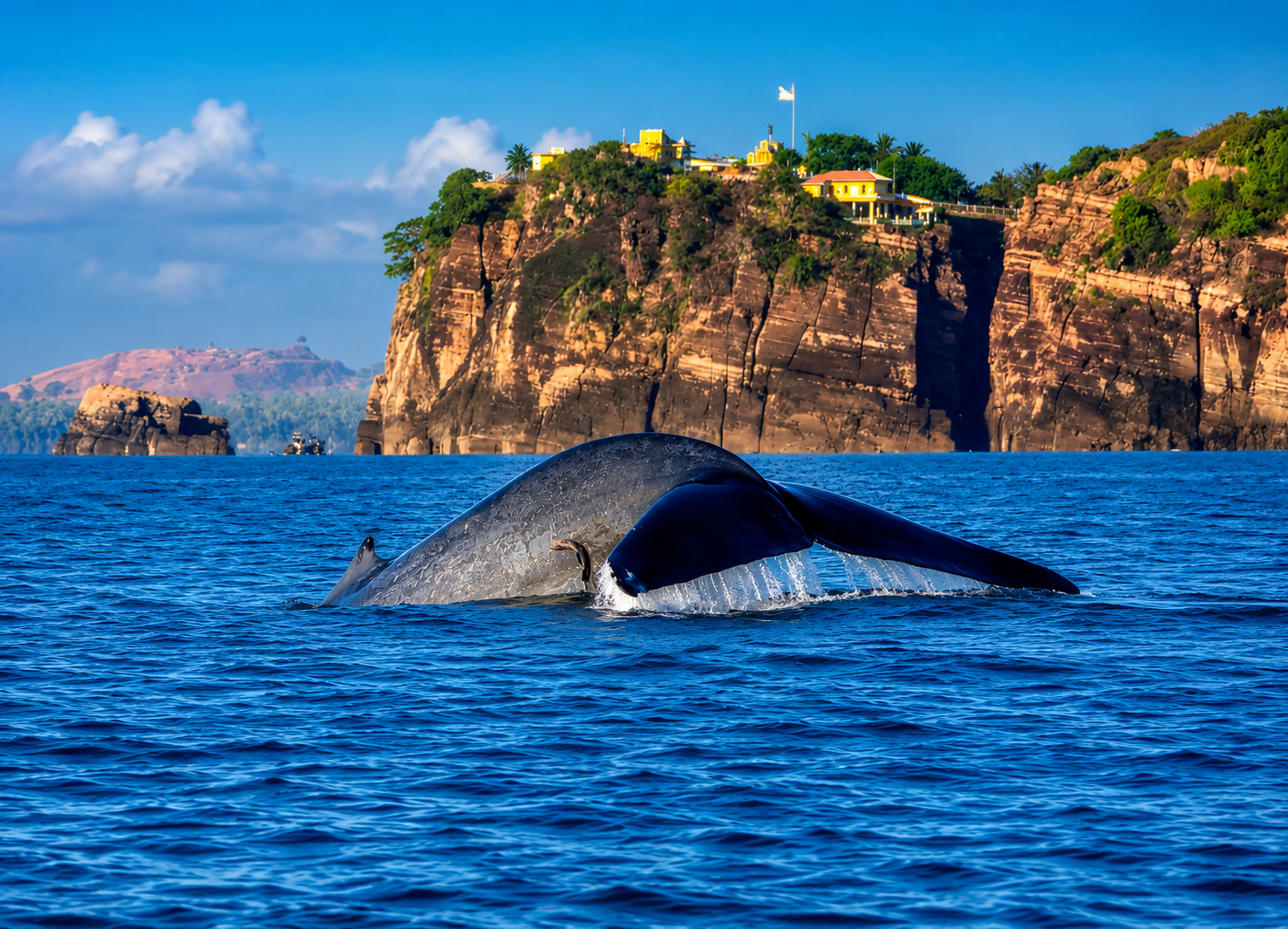
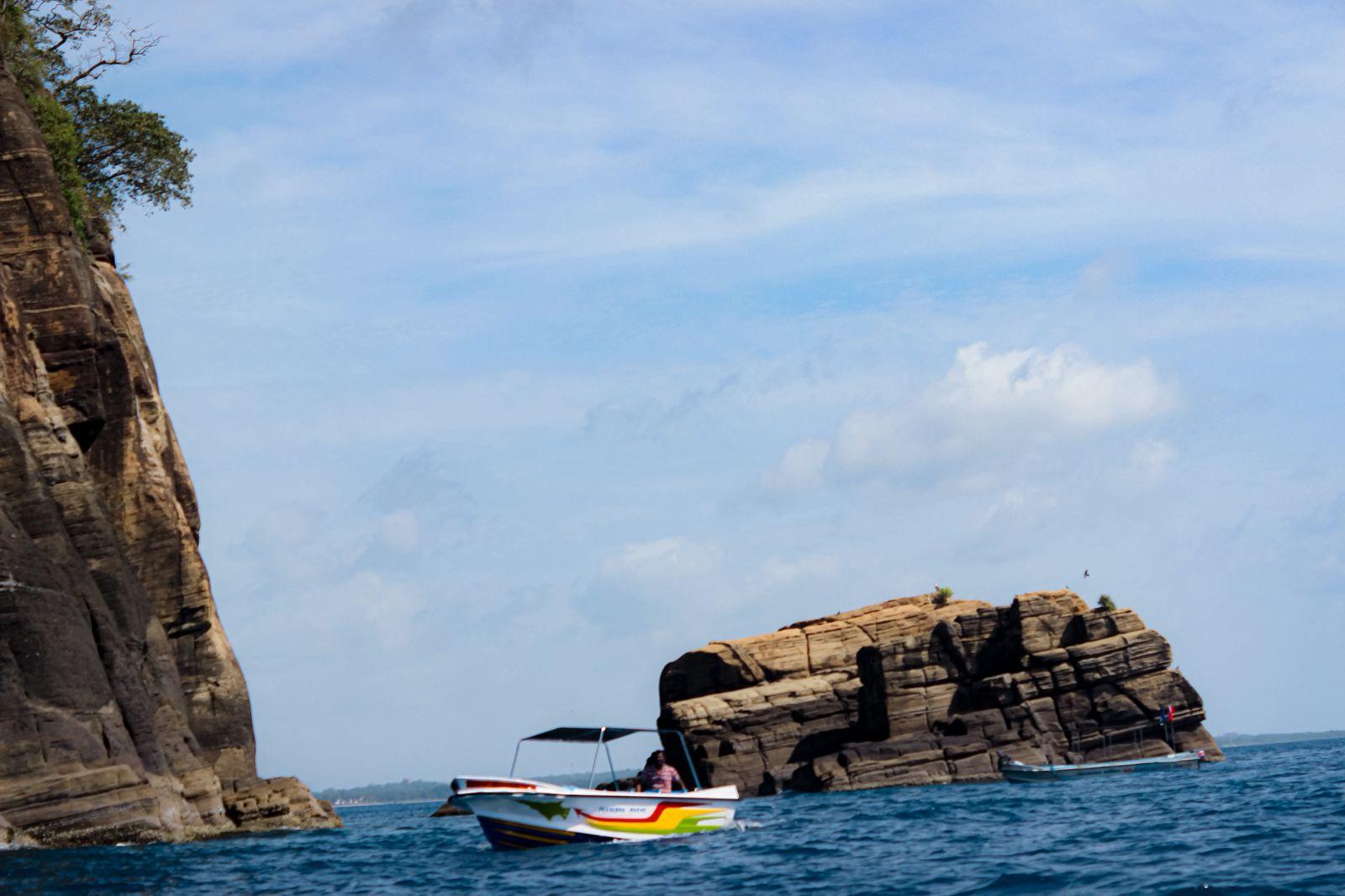
The skipper points the bow toward the shelf edge, and Swami Rock slides past on your right, the temple catching the first sun.

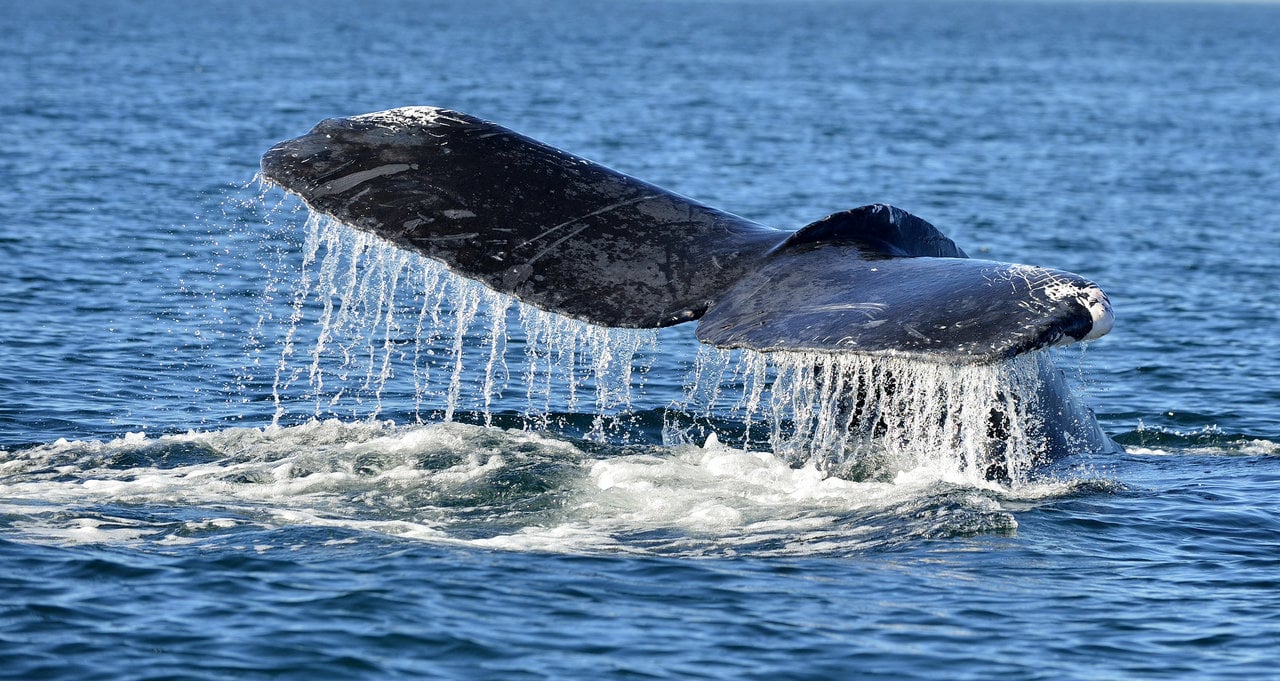
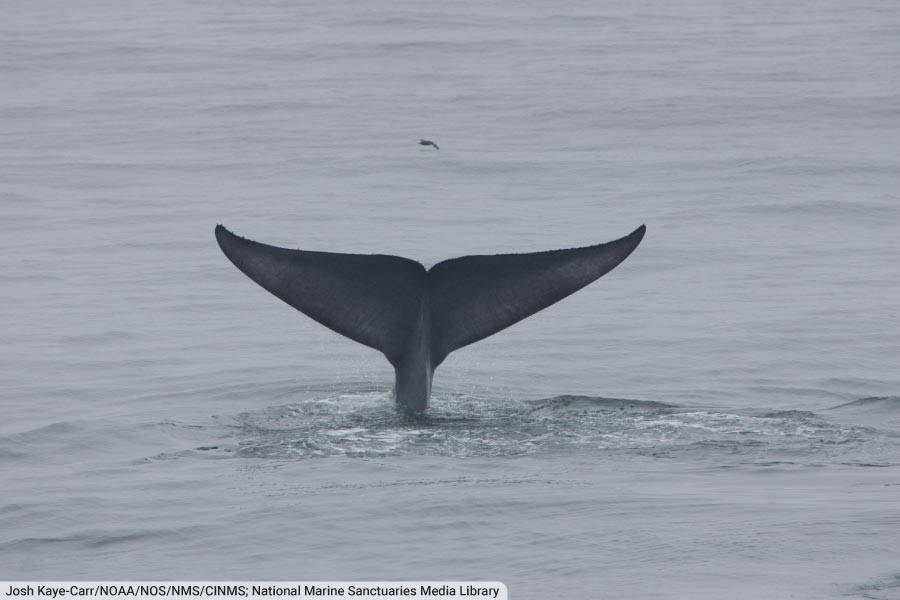
Within twenty minutes the water darkens beneath you as the seabed falls away. You scan the horizon for a blow, a tall, straight column of vapour that hangs before it drifts. Then it comes: the long grey back of a blue whale, unhurried, followed by the slow arch and the fluke lifting clear. Spinner dolphins arrive next, riding the bow wave, twisting above the surface in threes and fours.

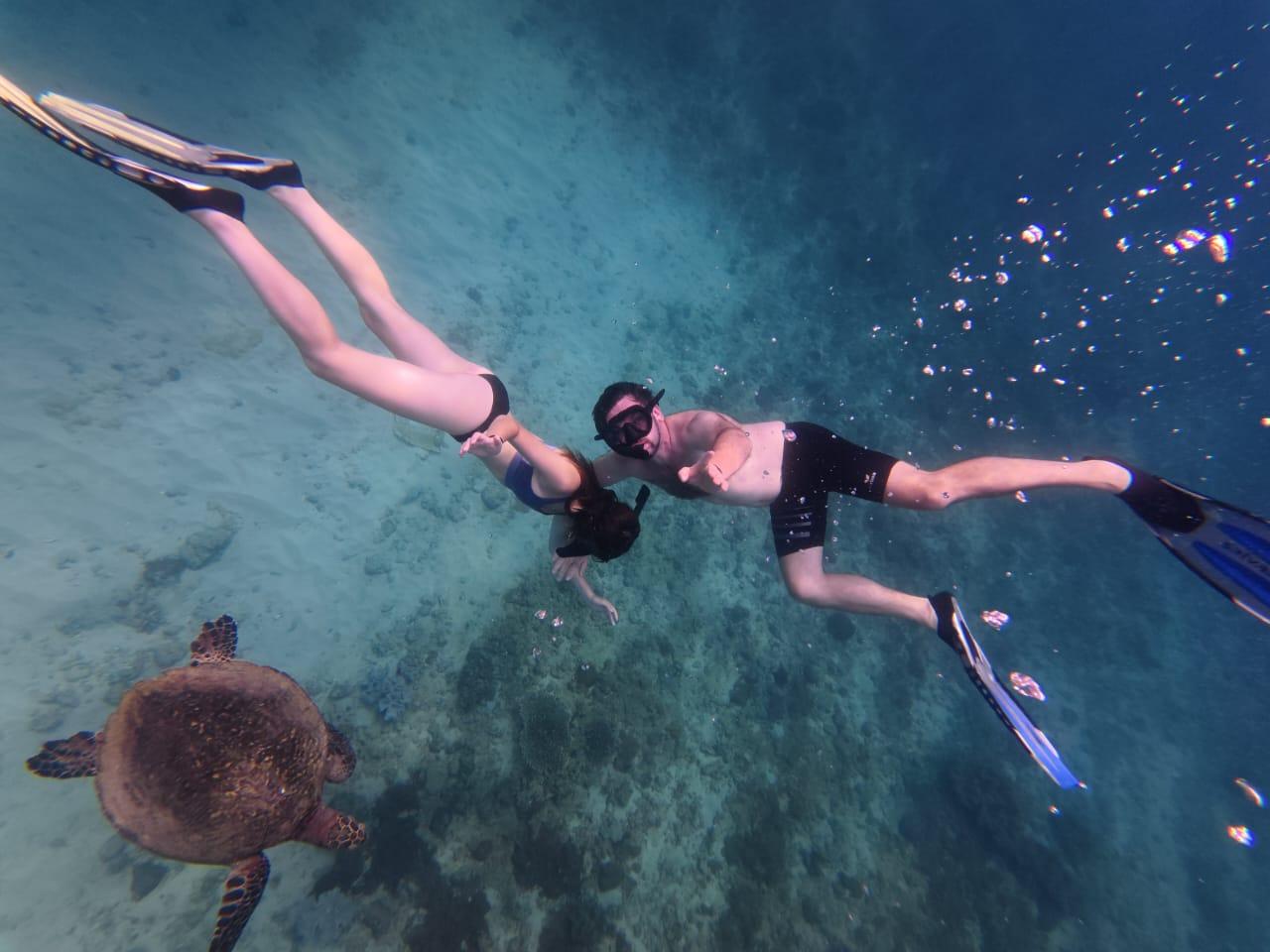
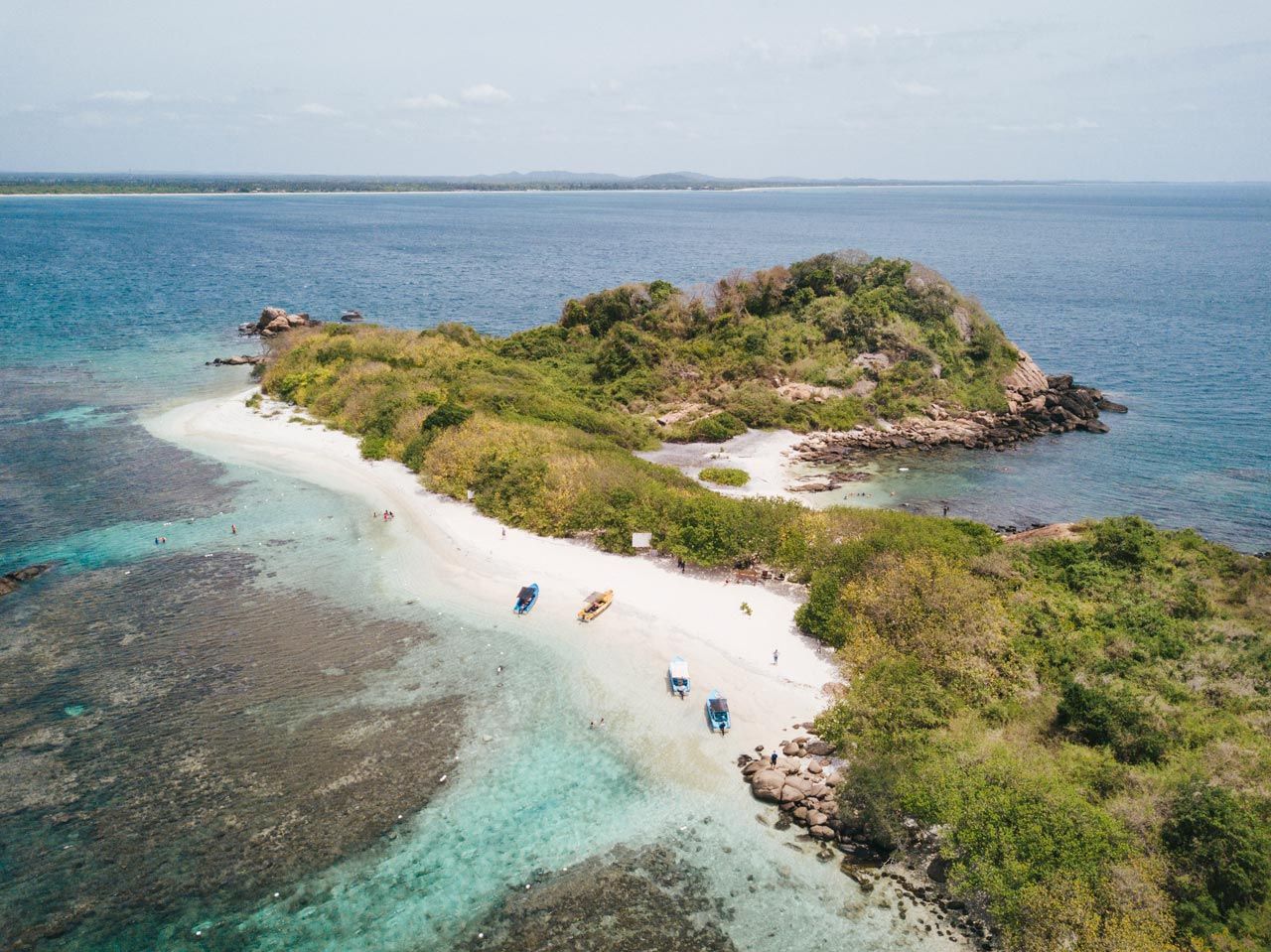
You lower a mask at Pigeon Island on the way back, floating over coral where reef fish scatter and a blacktip shark cruises the shallows. Salt dries on your skin. By mid-morning you are back at the jetty, the harbour busy again, the horizon still holding the memory of that first breath.

Trincomalee Whale Watching Boat
Everything You Need to Know

Your complete Trincomalee Whale Watching Boat guide

All the details about your upcoming adventure in one place

A submarine canyon plunges more than a kilometre deep within a few nautical miles of Trincomalee's shoreline, and that abrupt drop is why a trincomalee whale watching boat can reach blue whales without a long crossing.

The narrow continental shelf funnels cold, nutrient-rich water toward the surface, feeding the krill that draw the largest animal ever to have lived. Few coastlines on earth place such deep water so close to a working harbour.

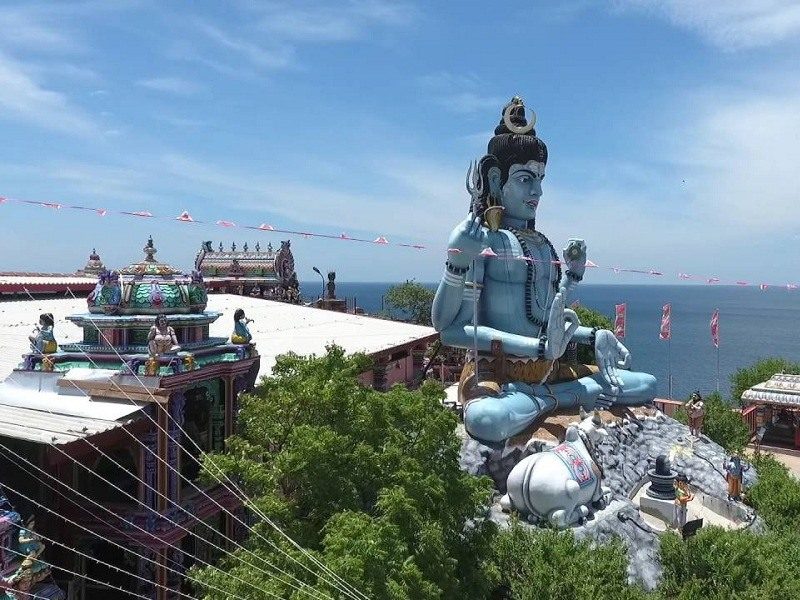
Trincomalee has watched fleets come and go for centuries. Its natural harbour, one of the deepest in the world, sheltered Portuguese, Dutch and British ships, and the sandstone promontory of Swami Rock still carries the whitewashed Koneswaram temple above the waves. The Bay of Bengal opens directly east, and the waters off Nilaveli and Pigeon Island were fishing grounds long before they became a route for whale watching tours.

The marine life here is unusually varied. Blue whales pass along the shelf edge, sperm whales dive the canyon walls, and spinner dolphins move in pods that can number several hundred. Bryde's whales and the occasional pod of orca have been recorded. The same currents that feed the whales also sustain the coral gardens of Pigeon Island, where reef fish and blacktip sharks shelter in shallow water a short distance from the deep.

Interest in Trincomalee's ocean safaris grew steadily after the end of the civil conflict in 2009 reopened the north-east coast. What had been a quiet fishing town found itself named among the better places on the planet to see blue and sperm whales in a single morning. Small operators converted fishing craft, and by the 2010s a dozen boats were working the shelf each calm season.

The geography does the work. Warm surface water, a steep drop to cold depths, and a headland that has guided sailors since antiquity combine within sight of the same shore. A modern trincomalee whale watching boat tour follows a path that fishermen and naval navigators traced long before anyone counted whales. The temple bell on Swami Rock, the Bay of Bengal swell, and the spouting breath of a passing giant belong to one continuous story of a coast defined by its water.

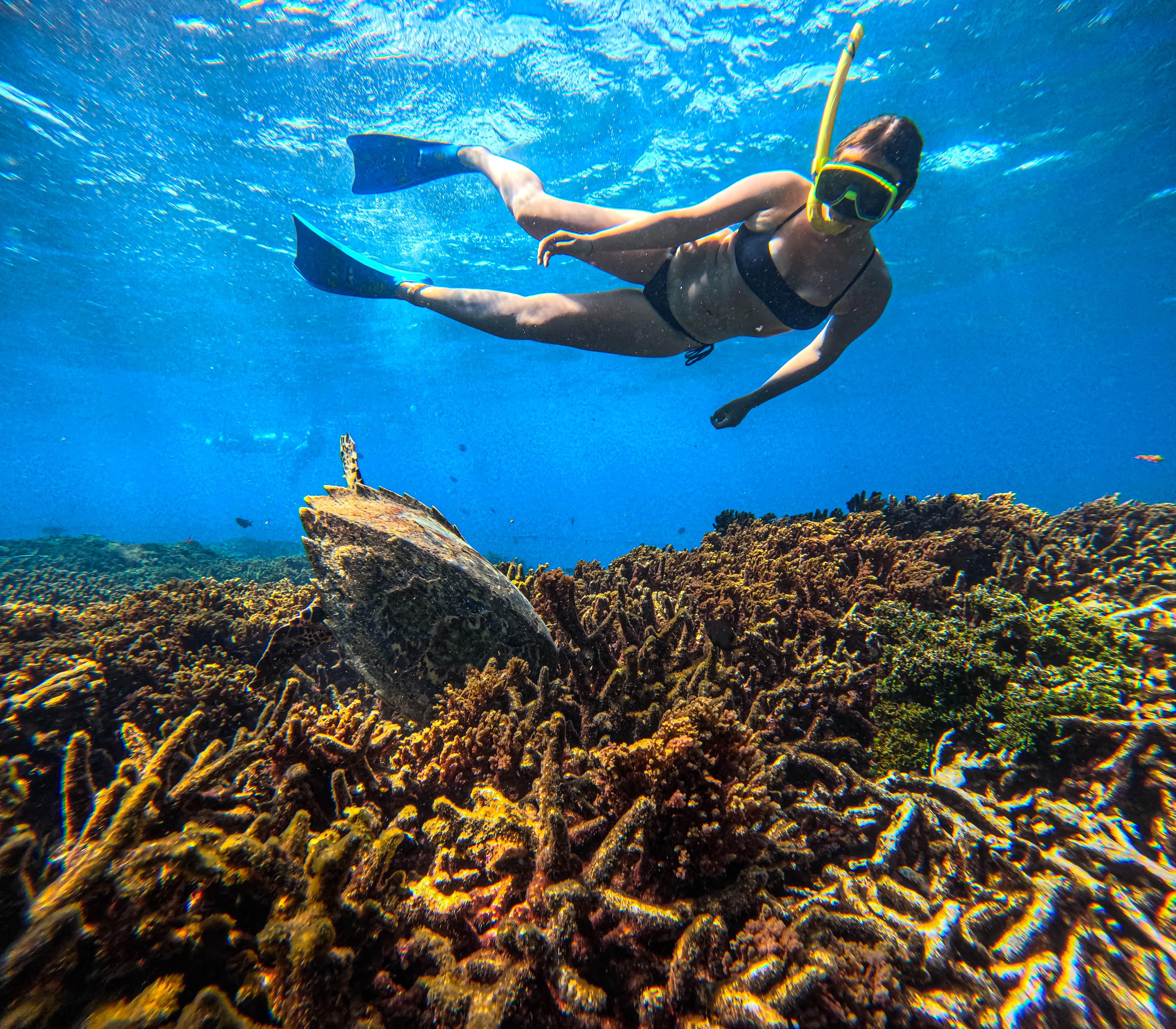
The geography does the work: warm surface water, a steep drop to cold depths, and a headland that has guided sailors since antiquity.

Dress code

When dressing for a trip on a Trincomalee whale watching boat, wear lightweight clothing that blocks the sun. A windbreaker is recommended because morning sea breezes can be cool.

Bags & security

Passengers boarding a Trincomalee whale watching boat are subject to standard safety checks by local crew members and the Sri Lanka Coast Guard. Bags should be waterproof to protect personal belongings from ocean spray.

Photography

Bringing a camera with a telephoto lens on a Trincomalee whale watching boat is ideal for capturing distant marine life. Always secure your equipment with a neck strap to prevent it from falling overboard.

Families & strollers

Children are welcome on a Trincomalee whale watching boat, provided they can wear a standard life jacket throughout the journey.

Accessibility

Physical access on a Trincomalee whale watching boat is typically limited due to the small vessel size and moving ladders. Guests with mobility challenges should consult operators in advance.

Food & drink

Most operators on a Trincomalee whale watching boat permit guests to bring dry snacks and bottled water. Avoid heavy meals before departure to prevent motion sickness during the sea voyage.

Not allowed

× Single-use plastics × Alcoholic beverages × Drones × Glass containers × Weapons × Explosives × Pets × Strobe lights × Harpoons × Litter × Unsecured heavy baggage × Speakers

What to bring

✓ Polarized sunglasses ✓ Waterproof phone pouch ✓ Sunscreen SPF 50+ ✓ Motion sickness medication ✓ Windbreaker jacket ✓ Reusable water bottle ✓ Broad-brimmed sun hat

Opening hours

Mon 06:00–18:00

Early mornings offer the calmest sea conditions.

Tue 06:00–18:00

Midweek trips typically have fewer boats.

Wed 06:00–18:00

Ideal day for mid-season wildlife spotting.

Thu 06:00–18:00

Verify local weather reports before booking.

Fri 06:00–18:00

Pre-weekend tours may see increased demand.

Sat 06:00–18:00

Weekend tours tend to book out early.

Sun 06:00–18:00

Expect more private boats on the water.

How to get there

At a glance

Opening Hours

06:00–18:00 daily

Address

Trincomalee Harbour and Nilaveli Beach, Trincomalee, Sri Lanka

Best Arrival

06:00–06:30 for calm morning seas

Entrance Fee

0 LKR (No entrance fee to the sea; tour prices vary by private operator.)

Accessibility

Limited physical accessibility on standard boats

Getting there

Car · 6 hours from Colombo · Varies by fuel cost

Drive along the Kandy-Trincomalee Highway (A6) directly to Trincomalee Harbour or Nilaveli Beach. Secure parking is available near the main beach resorts and the public harbor area.

Public transport · 8 hours · LKR 1,500–3,500

Take the overnight train from Colombo Fort to Trincomalee Railway Station, then hire a local tuk-tuk to Nilaveli Beach.

Taxi · 5 hours 30 mins · USD 80–120

Book a private air-conditioned vehicle from Colombo or Bandaranaike International Airport for a direct transfer to your beach hotel.

Cancellation policy

Cancellations made at least 24 hours before the scheduled departure receive a full refund from most operators. There is 0 LKR (No entrance fee to the sea; tour prices vary by private operator.) required for booking cancellations.

Plan your time

Daily Departure Timeline for Your Trincomalee Whale Safari

Recommended time

2-3 hours

Opting for one of the reputable trincomalee whale watching boat tours is the most reliable way to witness massive blue whales and playful spinner dolphins. These marine mammal excursions typically last 2 to 3 hours, which covers boarding, safety briefings, and travel into the open Indian Ocean. Although there are no official trincomalee whale watching boat tickets for the sea itself, booking with a certified operator is mandatory. Most boats depart directly from Nilaveli Beach or the harbor, equipped with life jackets and experienced guides. If you plan to join a trincomalee whale watching boat tour, arriving between 06:00 and 06:30 is highly recommended for calm morning waters. Winds and waves tend to pick up by midday, making later departures less comfortable for passengers. Be sure to dress in comfortable clothing and bring sun protection before boarding your trincomalee whale watching boat.

Crowd levels through the day

06:00–08:30 High
08:30–11:00 Moderate
11:00–14:00 Light
14:00–18:00 Very Light
Plan ahead

Best time to visit Trincomalee Whale Watching Boat

Weather · crowds · average price — dots go green to amber to red as each metric rises.

May to September

This is the peak viewing period for the east coast of Sri Lanka. During these months, the sea is generally calm and the weather is dry, providing excellent visibility for spotting marine life. Blue whales are regularly sighted as they migrate through these waters.

March to April

This transition period marks the beginning of the whale watching season in Trincomalee. The waters start to calm down after the northeast monsoon, and initial sightings of spinner dolphins and sperm whales are reported.

October to February

This period corresponds to the northeast monsoon, when the sea is rough and operations are suspended. Most operators relocate their vessels to the southern coast during these months due to safety risks.

June to August

These mid-summer months offer the highest probability of spotting large groups of dolphins and blue whales. The average daytime temperatures hover around 32 degrees Celsius, making lightweight clothing essential.

Insider tips

Helpful tips for visiting Trincomalee Whale Watching Boat

Sun protection

Wear a high-factor sunscreen and a wide-brimmed hat before boarding the Trincomalee whale watching boat. The reflection of the sun off the Indian Ocean waters increases UV exposure.

Prevent seasickness

Take motion sickness medication about 30 minutes before boarding the boat. The open waters can become choppy, especially when crossing the deeper trenches.

Spotting depth

The boats head approximately eight nautical miles offshore where the continental shelf drops rapidly. This deep underwater trench is where large marine mammals feed.

Book early

Secure your reservation at least 24 hours in advance during the peak season from May to September. Boat capacities are limited to ensure safe passenger distribution.

Choose speedboats

For a faster journey to the sighting zones, opt for a rigid inflatable boat or speedboat. Larger vessels offer a smoother ride but take longer to reach the deeper continental shelf drop-off.

Where to meet

Trincomalee Whale Watching Boat meeting points

Trincomalee Harbour

Trincomalee Harbour

Trincomalee Harbour, Trincomalee, Sri Lanka

Used mainly for large vessel departures and Navy-operated tours.

Get directions
Nilaveli Beach Jetty

Nilaveli Beach Jetty

Nilaveli Beach, Trincomalee, Sri Lanka

The primary boarding point for private speedboats and local charters.

Get directions
The story

The history of Trincomalee Whale Watching Boat

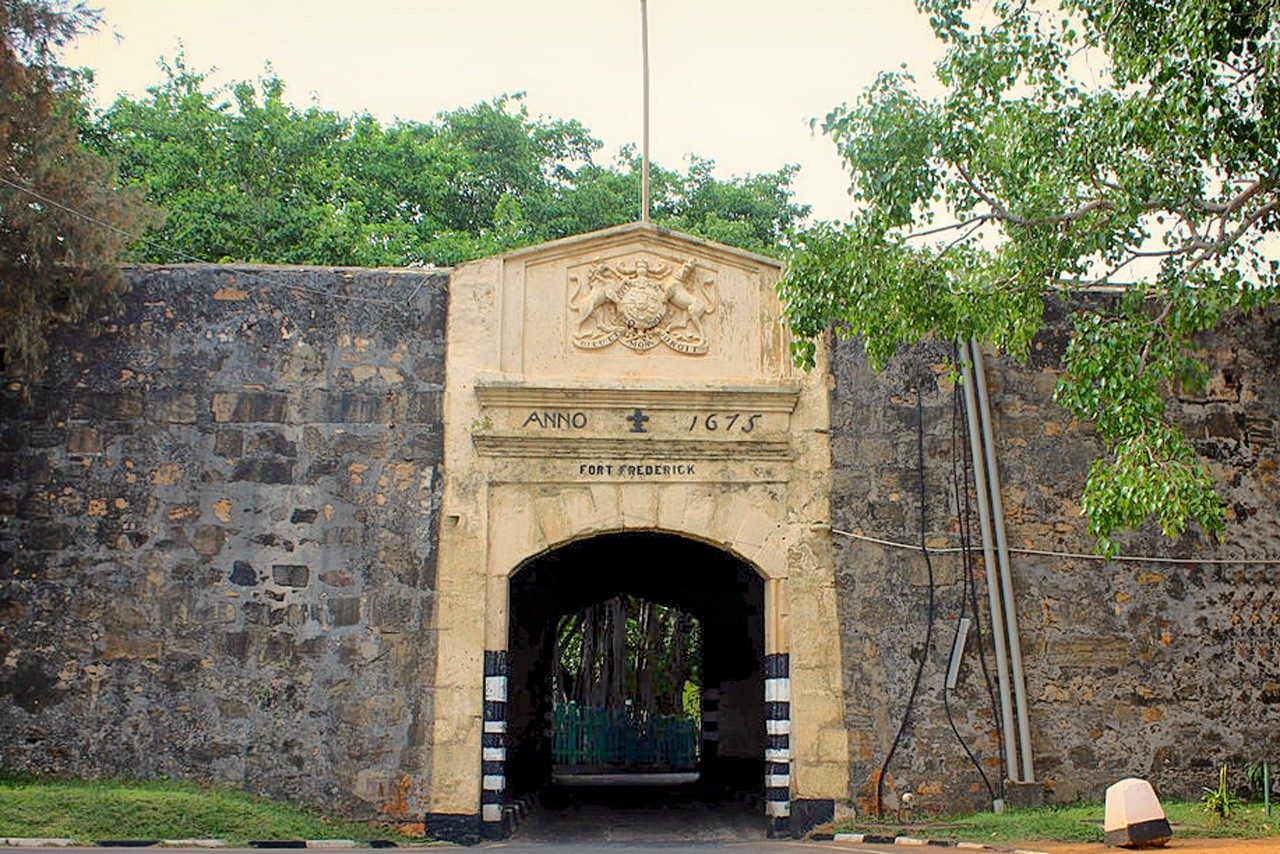
Trincomalee guards one of the world's deepest natural harbours, coveted since antiquity. The Portuguese razed the ancient Koneswaram temple on Swami Rock in 1624 and raised Fort Frederick from its stone. The Dutch held the port before the British seized it in 1795. A young Horatio Nelson, who called there in 1775, judged it a fine anchorage. Beneath the harbour the continental shelf falls away within a nautical mile of shore, where blue whales and sperm whales gather at the edge of the Bay of Bengal. The harbour drew conflict as readily as commerce. On Easter weekend in April 1942 Japanese aircraft raided Trincomalee, and the carrier HMS Hermes was sunk offshore. Decades later Sri Lanka's civil war sealed this coast, and any thought of a trincomalee whale watching boat tour remained impossible. Sightseeing waited on peace. When the long war ended in May 2009, Nilaveli's beaches reopened to travellers. Small operators launched the first organised trincomalee whale watching boat tours by 2010, following fishermen who already knew the migration lines. Marine researchers soon confirmed resident blue whales feeding near the deep Trincomalee canyon. Spinner dolphins ran in the hundreds across the same grounds, and the calmer eastern seas proved reliable. Growth brought strain. By the mid-2010s conservationists warned that crowding vessels harassed the pods, and voluntary distance guidelines followed. Today small craft still slip out at dawn, and trincomalee whale watching boat tickets remain the trade of independent skippers rather than one company. The 2004 Indian Ocean tsunami had scarred these shores, yet the fishing families who now guide Trincomalee's marine safaris endured. Swami Rock still watches the same migrating pods it did in 1624.

1624

Portuguese destroy the Koneswaram temple and build Fort Frederick on Swami Rock.

1775

A young Horatio Nelson visits and praises the natural harbour.

1795

British forces seize Trincomalee from the Dutch.

1942

Japanese aircraft raid the harbour and sink HMS Hermes offshore.

2004

The Indian Ocean tsunami devastates the Trincomalee coastline.

2009

The civil war ends, reopening the northeast coast to visitors.

2010

The first organised whale watching boats begin operating from Nilaveli.

mid-2010s

Conservation guidelines emerge to limit boat crowding around the whales.

Photo spots

Best photo spots at Trincomalee Whale Watching Boat

Trincomalee Offshore Waters

Trincomalee Offshore Waters

Best light · Before 09:00

The open ocean off the coast is where you photograph blue whales, sperm whales, and large pods of spinner dolphins. A Trincomalee dolphin safari often yields sightings of hundreds of spinner dolphins leaping synchronously. Keep your camera set to a fast shutter speed to capture the exact moment a whale fluke breaks the water's surface from your trincomalee whale watching boat.

Nilaveli Beach

Nilaveli Beach

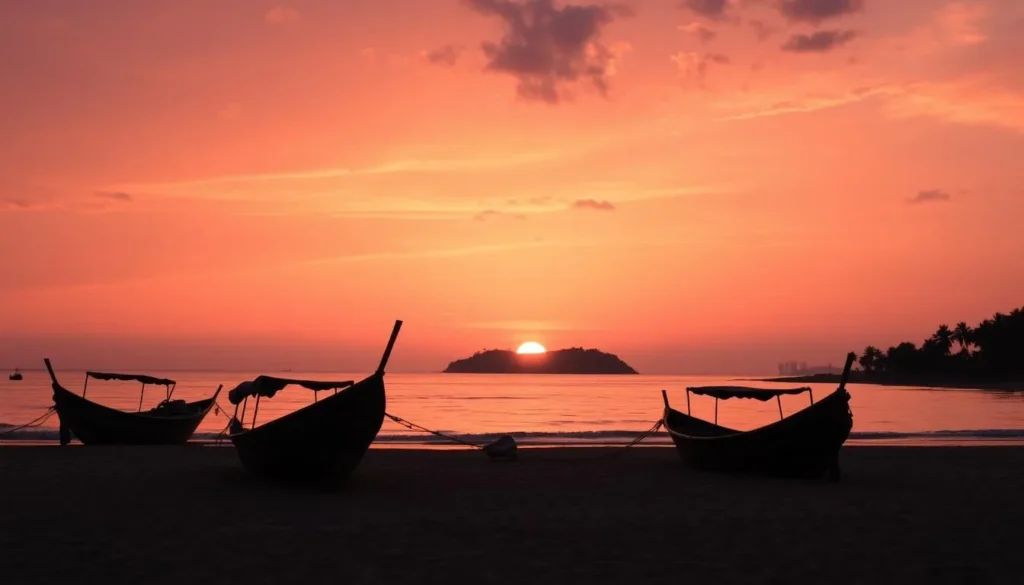
Best light · 06:00–06:30

This wide sandy stretch serves as a key departure area for many local excursions. Photographing the small vessels launching into the surf at dawn provides a great opportunity to capture local marine guides prepping for trincomalee whale watching boat tours.

Swami Rock

Best light · Early morning

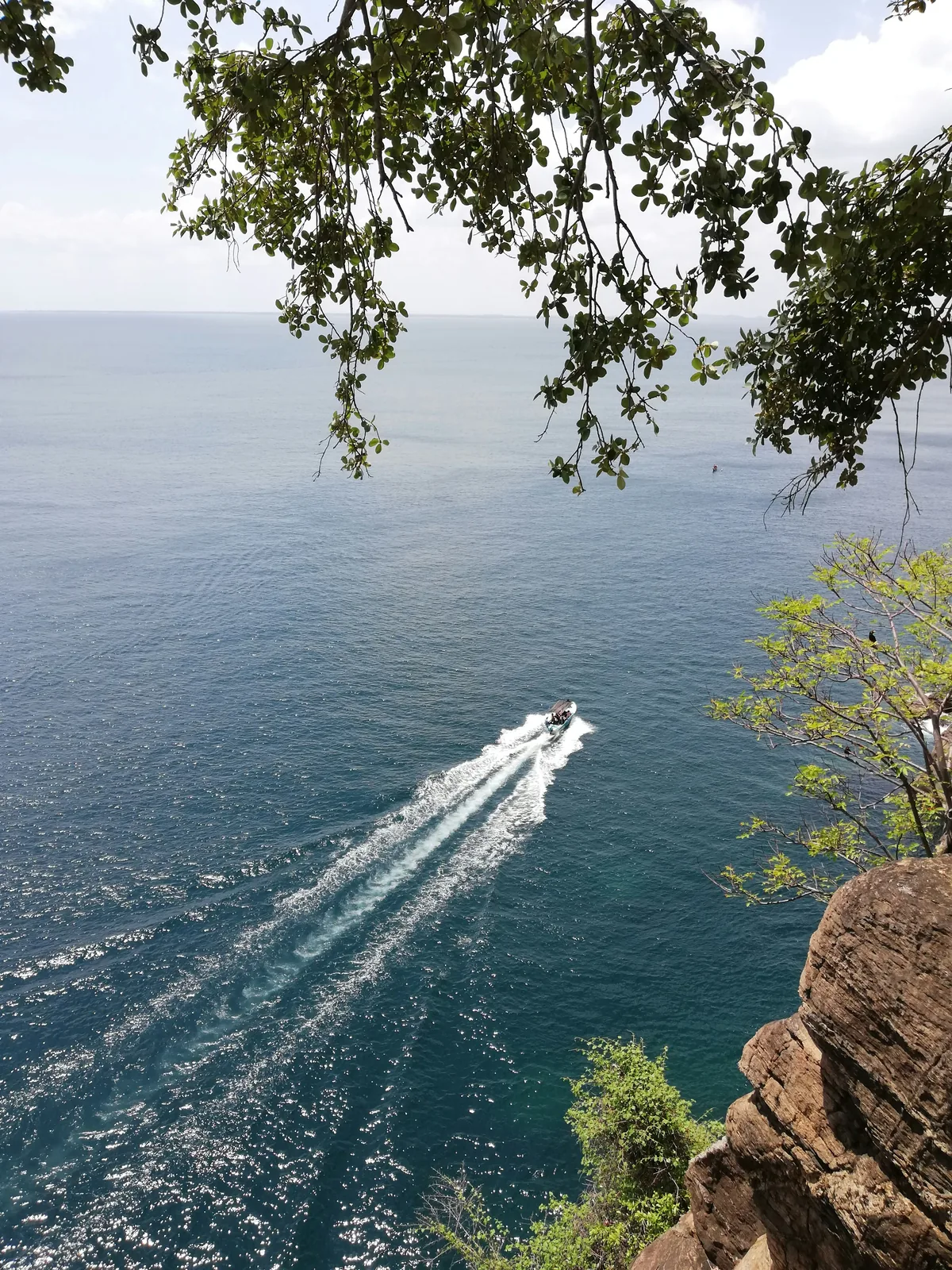
Located high above the bay near the historic temple, this steep cliff offers an elevated perspective of the deep waters. Use a telephoto lens to capture a far-off trincomalee whale watching boat tour sailing past the dramatic coastline.

Trincomalee Harbour

Trincomalee Harbour

Best light · Morning

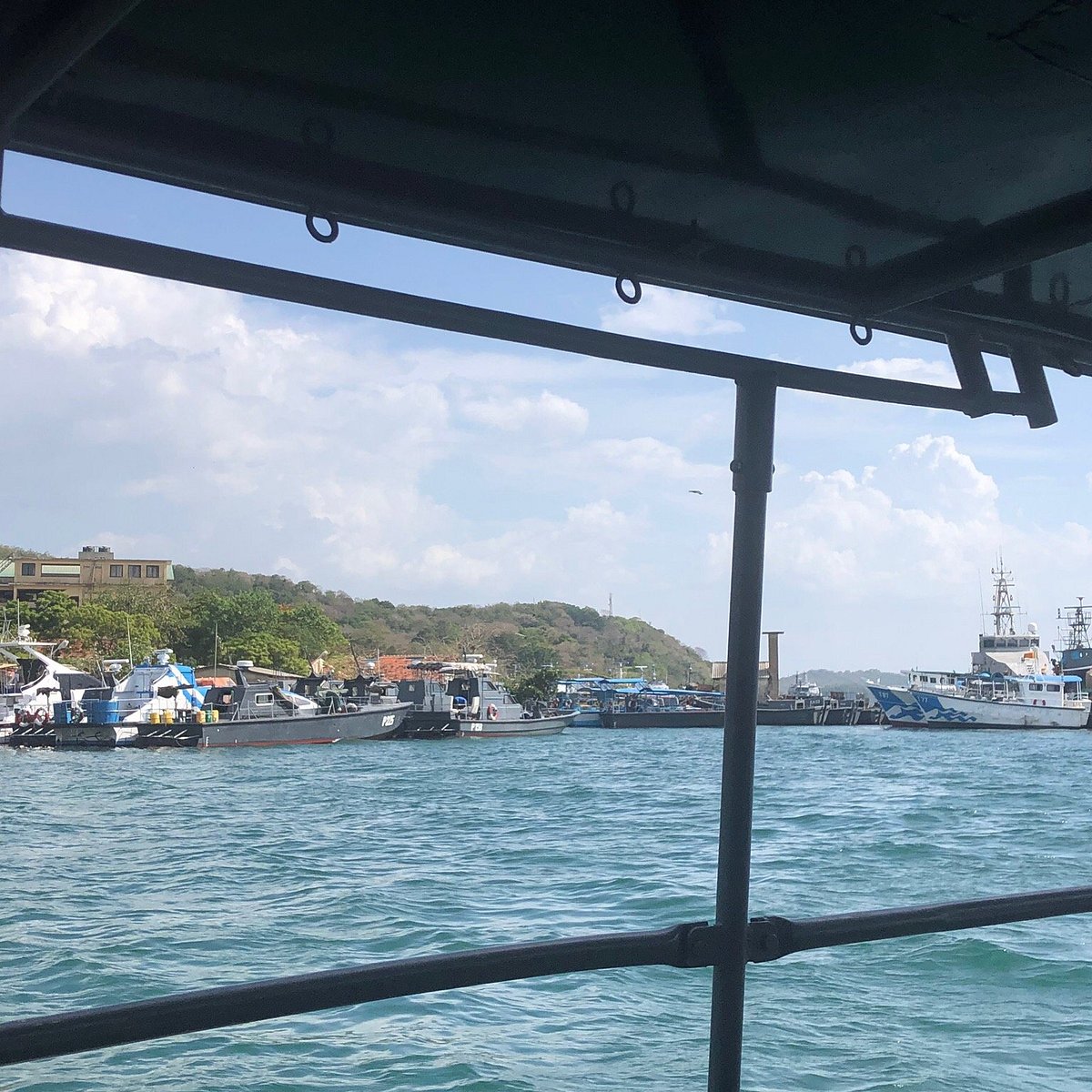
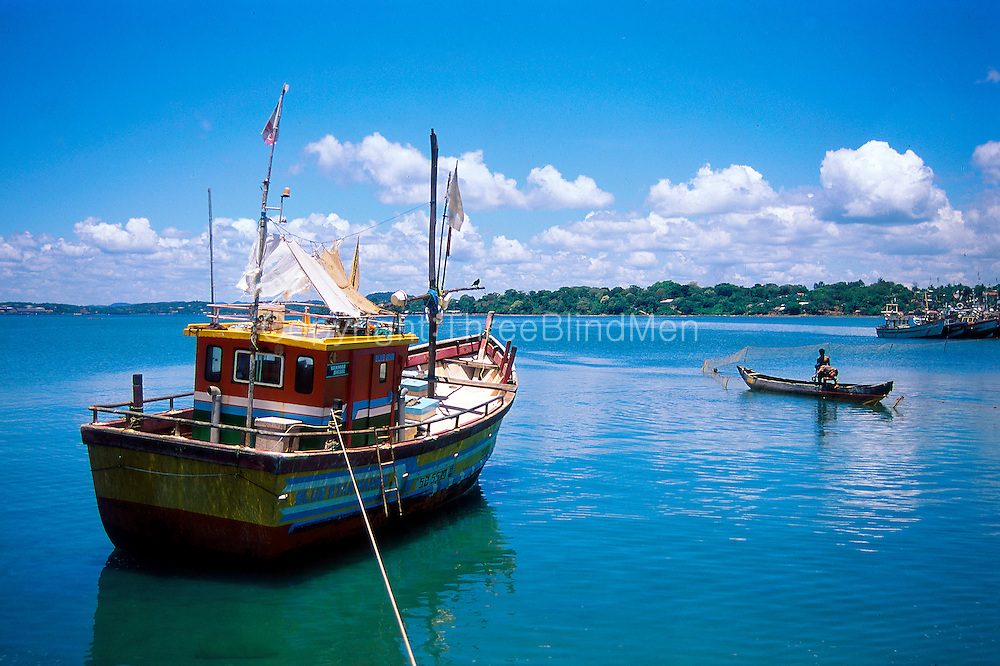
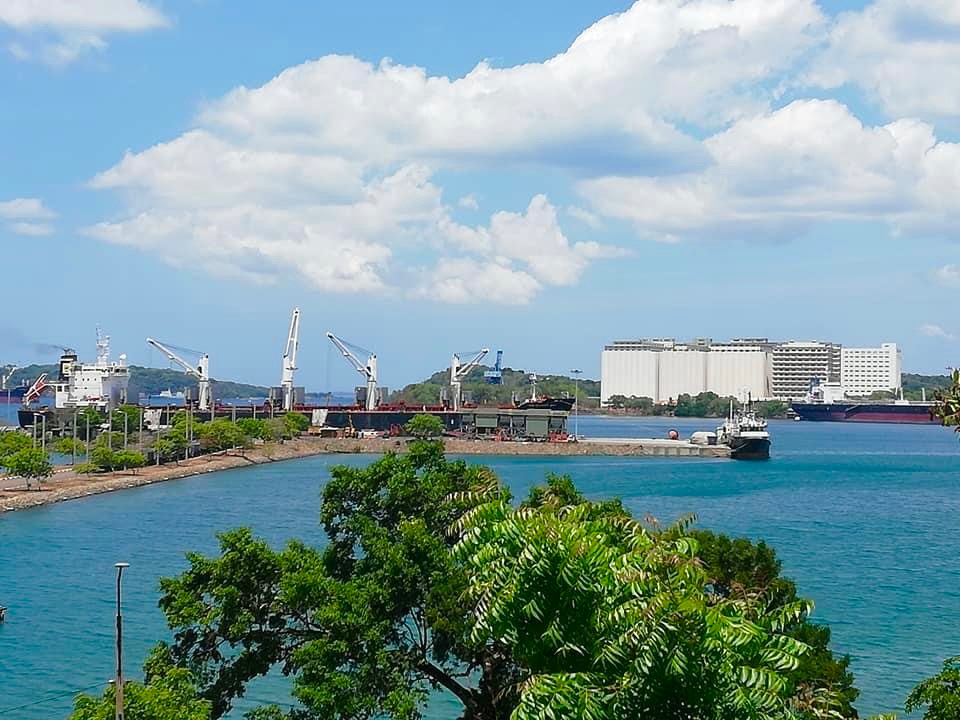
As one of the world's deepest natural harbors, this area provides a busy backdrop of naval vessels and passenger boats. It is an ideal spot to photograph boats departing the harbor before you pick up your trincomalee whale watching boat tickets for the day's excursion.

Dutch Bay Beach

Dutch Bay Beach

Best light · Afternoon

Situated close to the town center, this bay offers calm waters and views of Fort Frederick's cliffs. It is a peaceful spot to photograph the returning boats as they glide back to the shore after completing their morning excursions.

Gallery

Moments from Trincomalee Whale Watching Boat

With kids

Boarding a Trincomalee Whale Watching Boat with Kids: Family Guidelines

Taking a trincomalee whale watching boat with children requires advance planning, as these excursions typically use small speedboats that head into the open ocean. While spotting blue whales is thrilling, parents must prepare for the active motion of the boat and the lack of shade.

Best ages

Most operators set a minimum age of 4 or 5 years due to the bouncy nature of the speedboats. Before purchasing trincomalee whale watching boat tickets, confirm that the excursion length of three to four hours is suitable for your child's endurance.

Safety and gear

While operators provide life jackets, they do not always have small sizes suitable for toddlers. If you plan to book Trincomalee whale watching boat tours for the family, consider bringing your own properly fitted personal flotation device.

Seasickness

The ocean off Nilaveli Beach can become choppy quickly, making motion sickness common. Before embarking on a Trincomalee whale watching boat tour, give older children pediatric seasickness medication at least 30 to 60 minutes before boarding.

Strollers

Strollers cannot be accommodated on these small watercraft. You will need to leave them at your hotel or the operator's office and use a secure baby carrier for the boarding process.

Sun protection

Most boats have no canopy or shelter from the intense sun. Apply high-SPF sunscreen, dress kids in UV-protective clothing, and bring wide-brimmed hats that tie securely under the chin.

Food & drink

Where to eat at Trincomalee Whale Watching Boat

Before boarding your trincomalee whale watching boat, fueling up is essential for a morning on the Indian Ocean. The launch sites at Trincomalee Harbour and Nilaveli Beach offer several nearby dining options, ranging from beachfront hotels to local curry houses. Booking your trincomalee whale watching boat tickets in advance ensures you can plan a relaxing breakfast before departure.

Divinguru Beach Restaurant

$$

Beachfront Restaurant — 2 min walk

Located directly on Nilaveli Beach next to the dive center, this spot is perfect for a post-trip meal. The kitchen serves fresh seafood and hearty breakfasts that fit nicely after a morning trincomalee whale watching boat tour. Enjoy a cold drink while scanning the horizon where spinner dolphins leap.

Dutch Bank Cafe

$$

Cafe — 5 min walk from Harbour

Situated near the main harbour, this historical building serves local kottu and fusion dishes. It provides a peaceful setting to unwind after a busy Trincomalee marine safari. It is popular for its large portions and views of the inner bay.

Rice 'n' Curry Restaurant

$

Sri Lankan Restaurant — 10 min drive

Famous for its authentic clay-pot crab curry, this casual eatery is highly rated by travelers. It makes a great dinner stop after returning from day-long trincomalee whale watching boat tours. The vegetarian buffet offers great value.

FAQ

Trincomalee Whale Watching Boat — frequently asked questions

Everything you need to know for your journey

Around the corner

More to see near Trincomalee Whale Watching Boat

Koneswaram Temple

Koneswaram Temple

15 min drive

church

A classical medieval Hindu temple complex situated on Swami Rock. It offers panoramic views of the harbor and is known for its intricate stone carvings.

Fort Frederick

Fort Frederick

12 min drive

landmark

A historic fort built by the Portuguese in 1623 and later rebuilt by the Dutch. Visitors can walk through the fortress grounds and spot resident deer.

Pigeon Island Marine National Park

Pigeon Island Marine National Park

15 min boat ride

park

One of the two marine national parks in Sri Lanka, featuring some of the best coral reefs in the country. It is a popular spot for snorkeling with blacktip reef sharks.

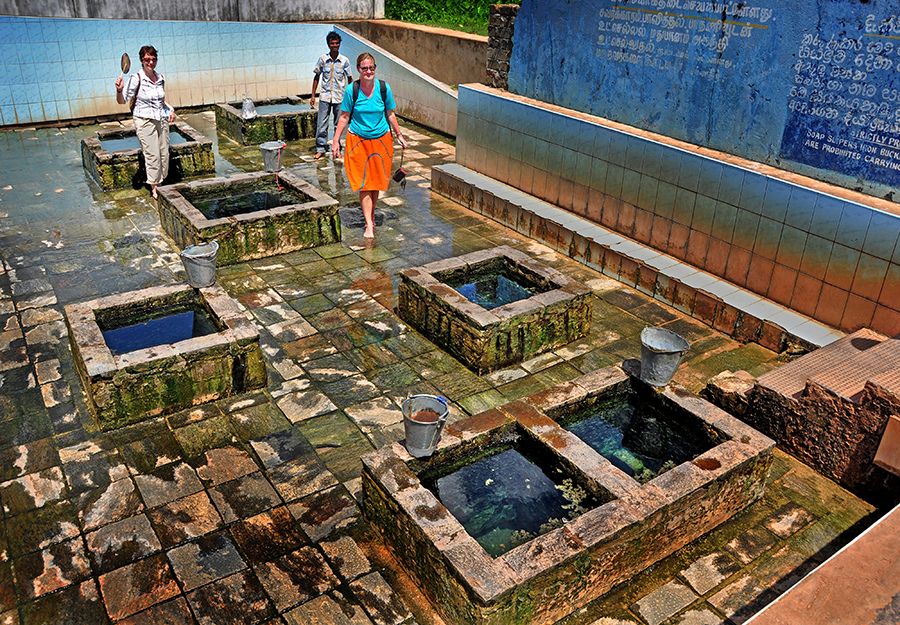
Kanniya Hot Springs

Kanniya Hot Springs

15 min drive

landmark

A site featuring seven hot wells, each with slightly different temperatures. The wells are believed to have therapeutic properties and are linked to local folklore.

Where to stay

Where to stay near Trincomalee Whale Watching Boat

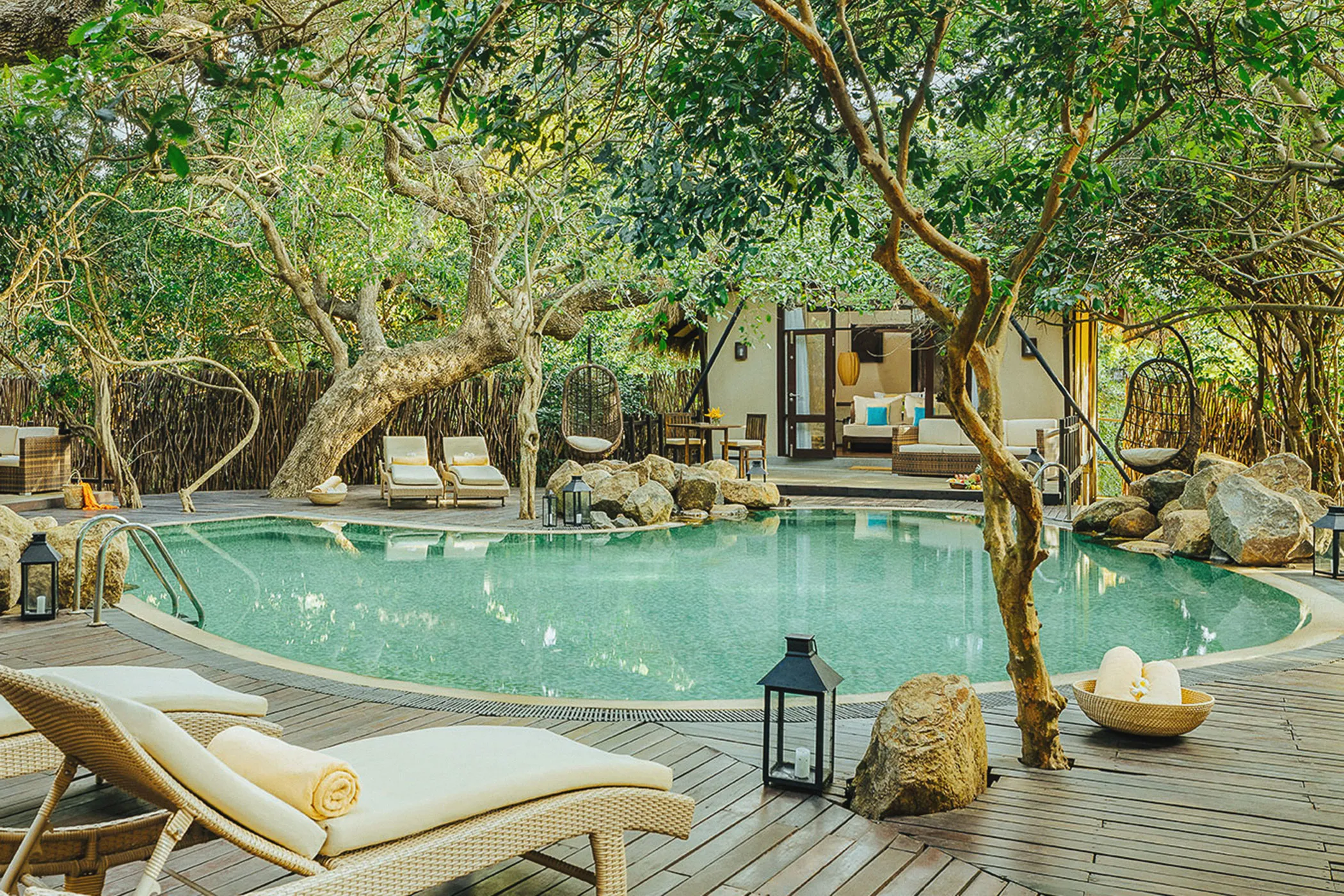
Jungle Beach by Uga Escapes

Jungle Beach by Uga Escapes

15 min drive

luxury

A premium eco-friendly resort tucked between the ocean and dense mangroves. It features private cabins, an outdoor pool, and spa services.

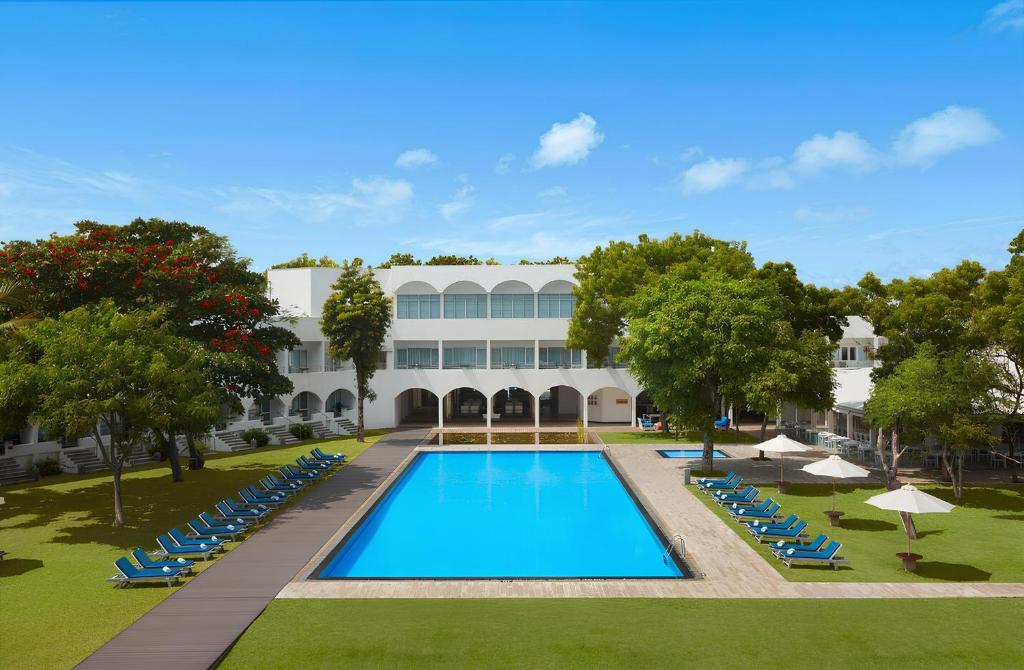
Trinco Blu by Cinnamon

Trinco Blu by Cinnamon

12 min drive

mid-range

A retro-chic beach hotel near Uppuveli Beach offering comfortable rooms and direct beach access. It serves as a popular base for marine excursions.

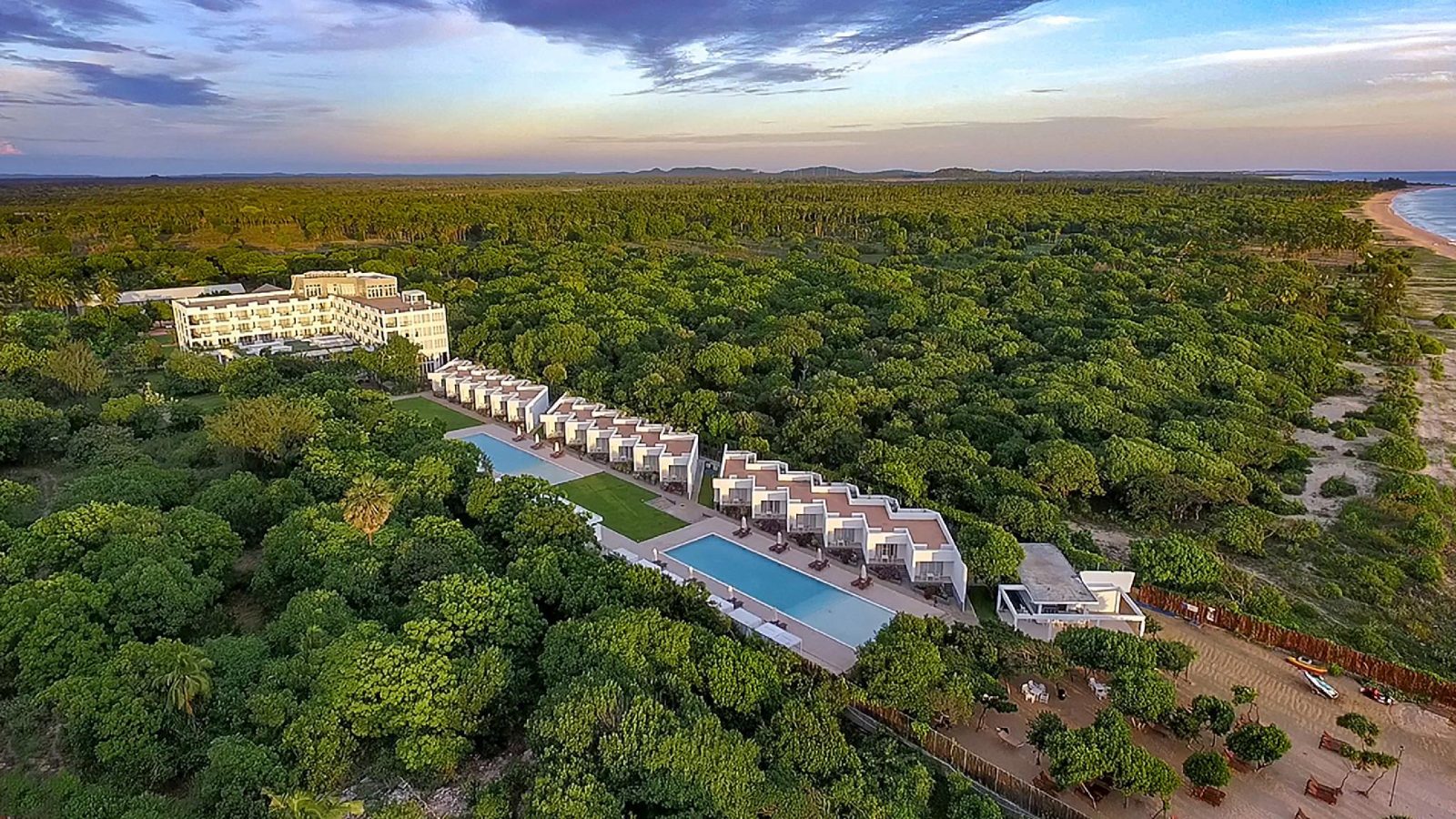
Nilaveli Beach Hotel

Nilaveli Beach Hotel

5 min drive

mid-range

A long-standing beachfront hotel situated directly on the shores of Nilaveli Beach. It is one of the closest resorts to the boat boarding point.

Nilaveli Boutique Hotel

Nilaveli Boutique Hotel

5 min walk

boutique

A small boutique property located just a short walk from Nilaveli Beach. It offers a quiet garden setting, an outdoor pool, and personalized service.

Ready for Adventure?

Join thousands of happy travelers who have discovered this incredible experience

Book Your Experience Now