5 hr
Trincomalee Whale Watching & Navy Island Snorkeling Excursion
- Expert local guide
- Small group
- Skip-the-line access
- Free cancellation
Blue Whales & Spinner Dolphins Off Nilaveli — Dawn Ocean Safaris
Dawn breaks over the bay, and the deep begins to breathe.
Compare fares, pick the fit — all bookings are mobile-voucher and eligible for free cancellation where shown.
5 hr
3 hr
3 hr
| Experience | Duration | Rating | Pickup | Guide | Small group | Free cancel. | Price | |
|---|---|---|---|---|---|---|---|---|
|
Guided Experience
Most popular
Trincomalee Whale Watching & Navy Island Snorkeling Excursion
|
5 hr | ★ 4.4 | ✓ | ✓ | ✓ | ✓ | $70 | Book → |
|
Standard Entry
Trincomalee Guided Whale and Dolphin Ocean Safari
|
3 hr | ★ 4.2 | ✓ | — | ✓ | ✓ | €45 | Book → |
|
Standard Entry
Trincomalee Ocean Safari: Dolphin and Whale Watching Boat Cruise
|
3 hr | ★ 3.9 | — | ✓ | — | ✓ | €21 | Book → |
Worth it for dolphin-focused morning boaters
Entry to Nilaveli Beach costs 0 LKR, so trincomalee whale and dolphin watching only costs what your boat operator charges — check the live grid, since rates vary by vessel and group size. For that fare you get a morning on the Indian Ocean, with spinner dolphin pods a near-daily sighting and blue whales realistic in the right conditions. The Navy Island snorkeling excursion adds reef time, while the private marine safari trades a higher rate for space and flexibility, and the Pasikuda option suits guests based further south. It pays off if you sail in the calm 06:00–07:30 window and treat dolphins, not guaranteed whales, as your baseline win. Book trincomalee whale and dolphin watching tours only with licensed skippers who keep a respectful distance from the animals.
Bottom line: A Trincomalee ocean safari earns its fare when dolphins are your goal and a licensed early-morning boat is your plan.
Choosing between trincomalee whale and dolphin watching tours and Mirissa depends on your itinerary's regional focus. Both destinations access the deep Indian Ocean to spot blue whales, but this Trincomalee dolphin-watching boat tour runs in a different geographical zone from Mirissa. Before booking a trincomalee whale and dolphin watching tour, evaluate the crowd sizes and boat styles of each harbor.
|
Top pick Trincomalee |
Mirissa | |
|---|---|---|
| Best Season | May to September | November to April |
| Boat Types & Crowds | Small speedboats, fewer vessels | Large double-deckers, very crowded |
| Distance to Deep Water | 6 to 8 miles offshore | 10 to 15 miles offshore |
| Sighting Likelihood | High (dependent on daily conditions) | Extremely high (predictable migration route) |
| Coast & Vibe | Quiet, pristine, underdeveloped | Lively, highly commercialized |
| Typical Cost | $40 to $80 per person | $45 to $75 per person |
| See tickets & prices |
Verdict: For travelers seeking a personal excursion, purchasing trincomalee whale and dolphin watching tickets for a catamaran ride offers a peaceful alternative to busy southern journeys.
Hand-picked experiences loved by thousands of travelers
6 hours
Free Cancellation
Search for majestic whales and snorkel alongside turtles and sharks on a private guided ocean tour.
7 hours
Free Cancellation
Spot magnificent blue whales and leaping dolphins on an eco-friendly marine safari from Pasikuda.
7 hours
Free Cancellation
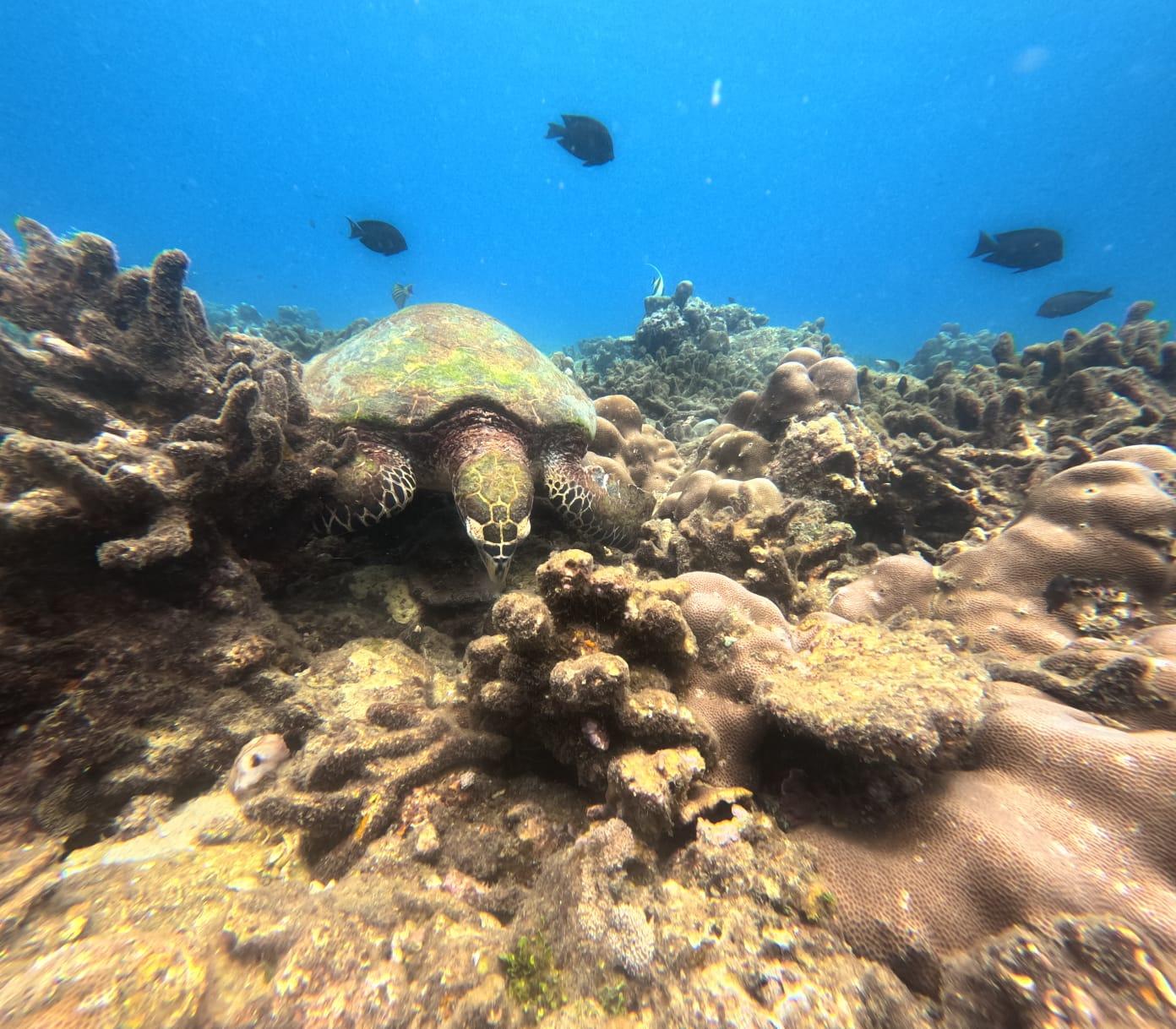
Spot majestic whales and dolphins in the wild before snorkeling with sharks and turtles at Pigeon Island.
5 hours
Free Cancellation
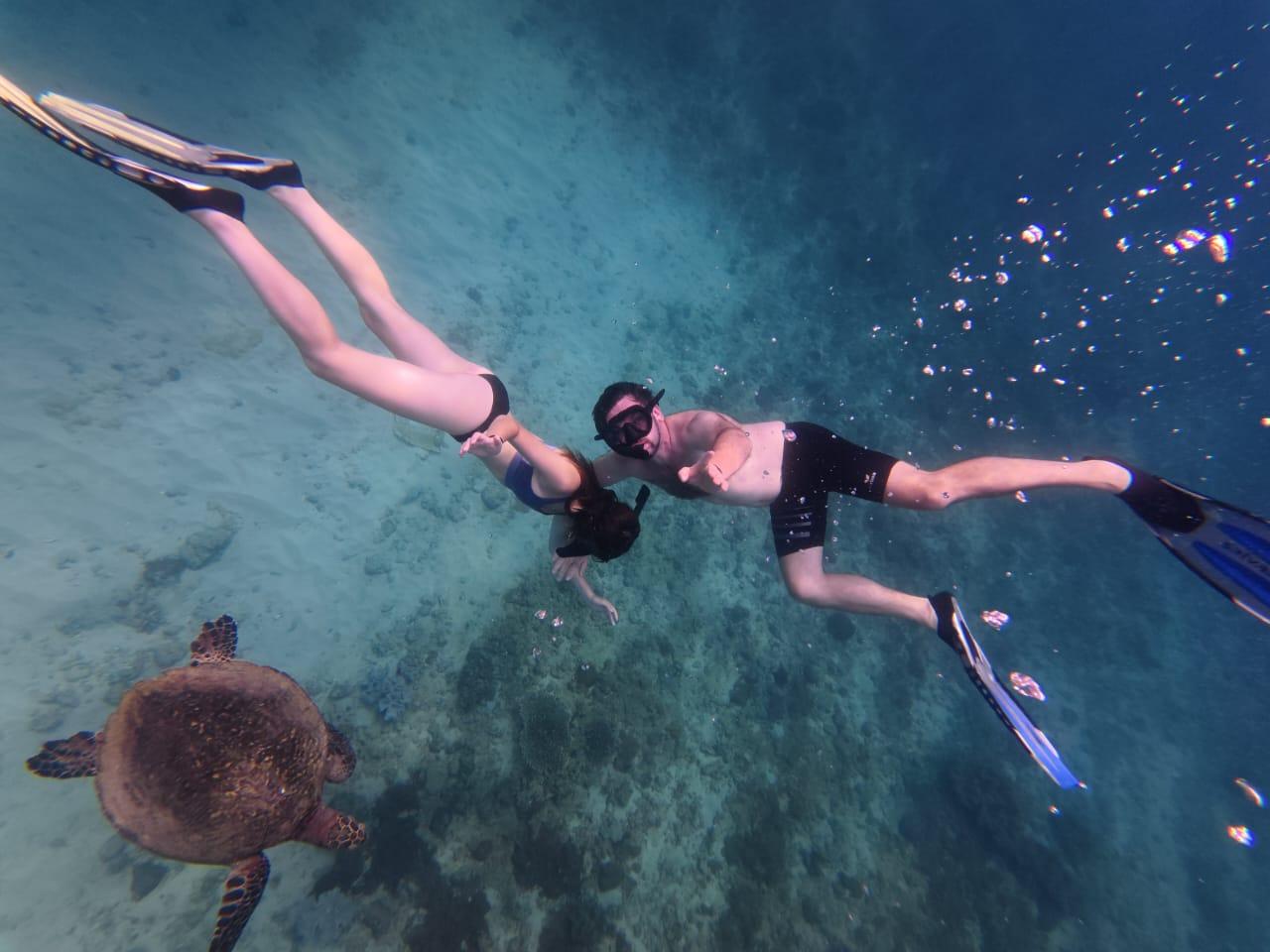
Embark on an early morning cruise to spot whales and dolphins, then snorkel with turtles and tropical fish.
3 - 4.5 hours
Free Cancellation
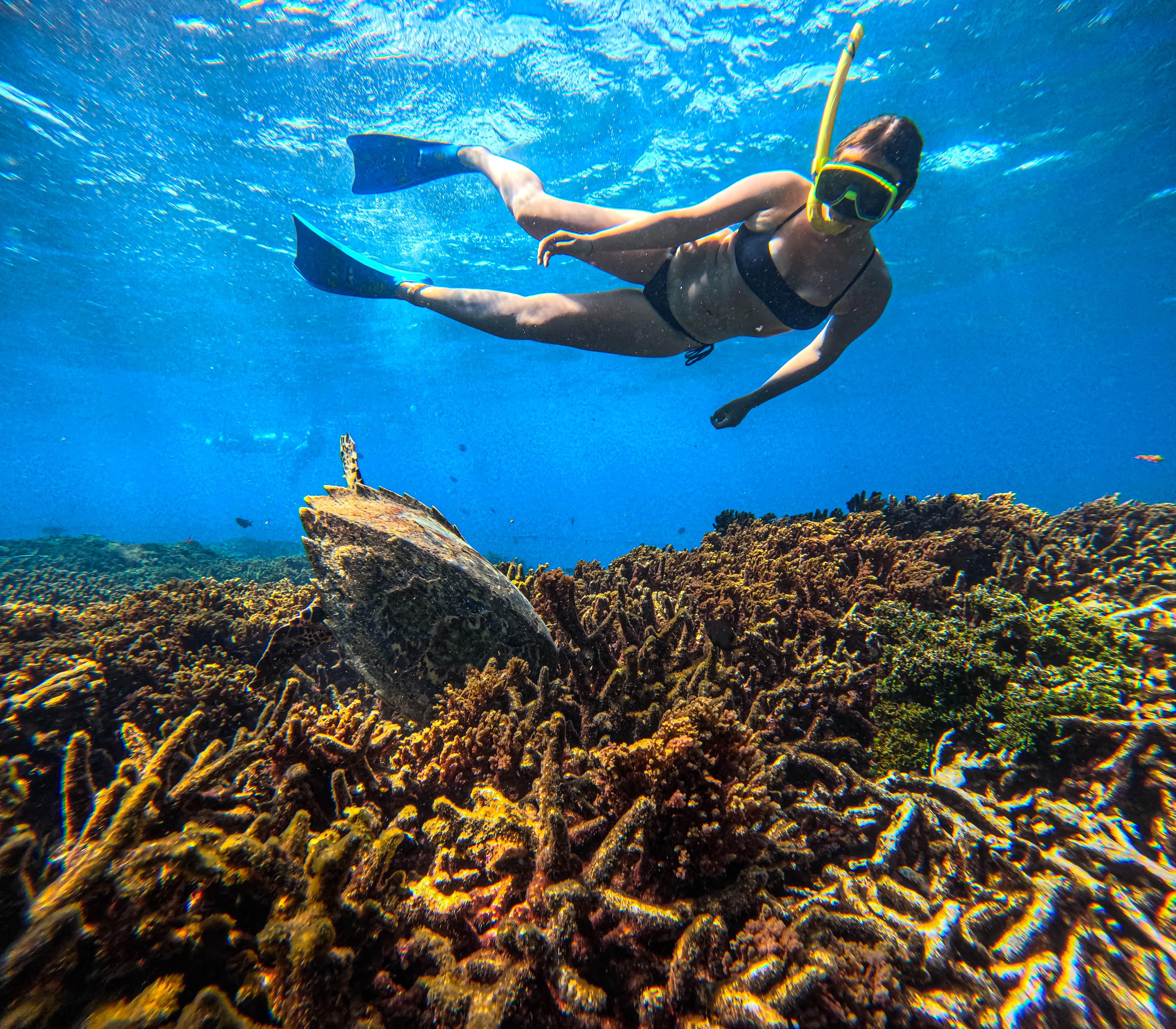
Search for majestic whales and dolphins before snorkeling the vibrant reefs of Navy Island on this guided Trincomalee adventure.
6 hours
Free Cancellation
Spot whales and dolphins, then snorkel the reefs of Pigeon Island on a private 6-hour Trincomalee boat tour.
3 - 4 hours
Free Cancellation
Spot majestic whales, watch playful dolphins, and snorkel vibrant coral reefs off the coast of Trincomalee.
Meet your guide at Nilaveli Beach, get fitted with a life jacket, and receive safety instructions.
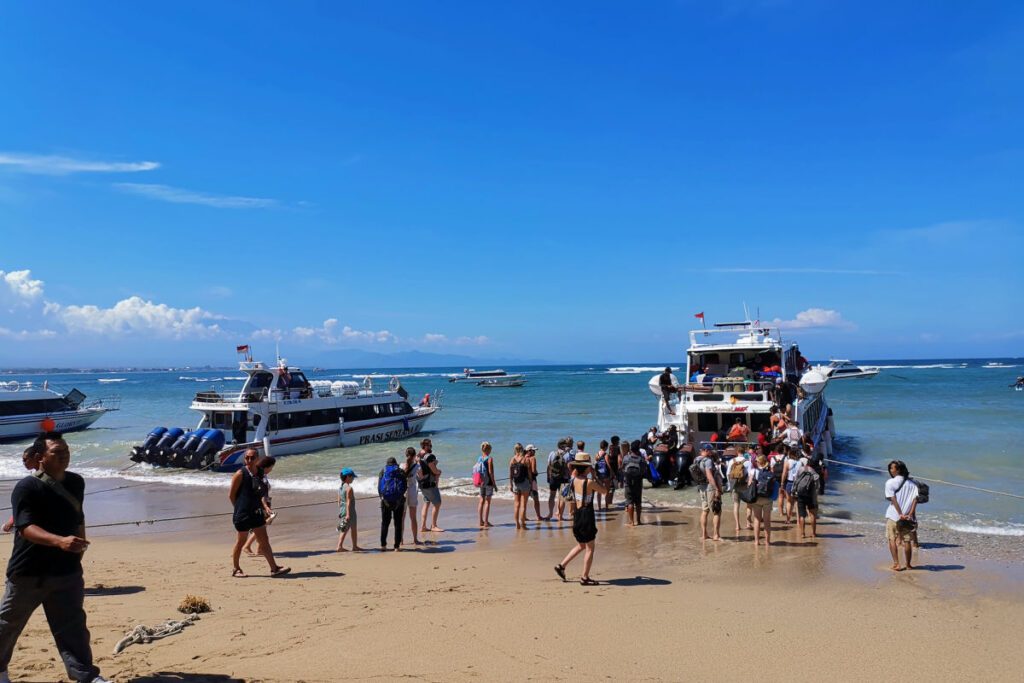
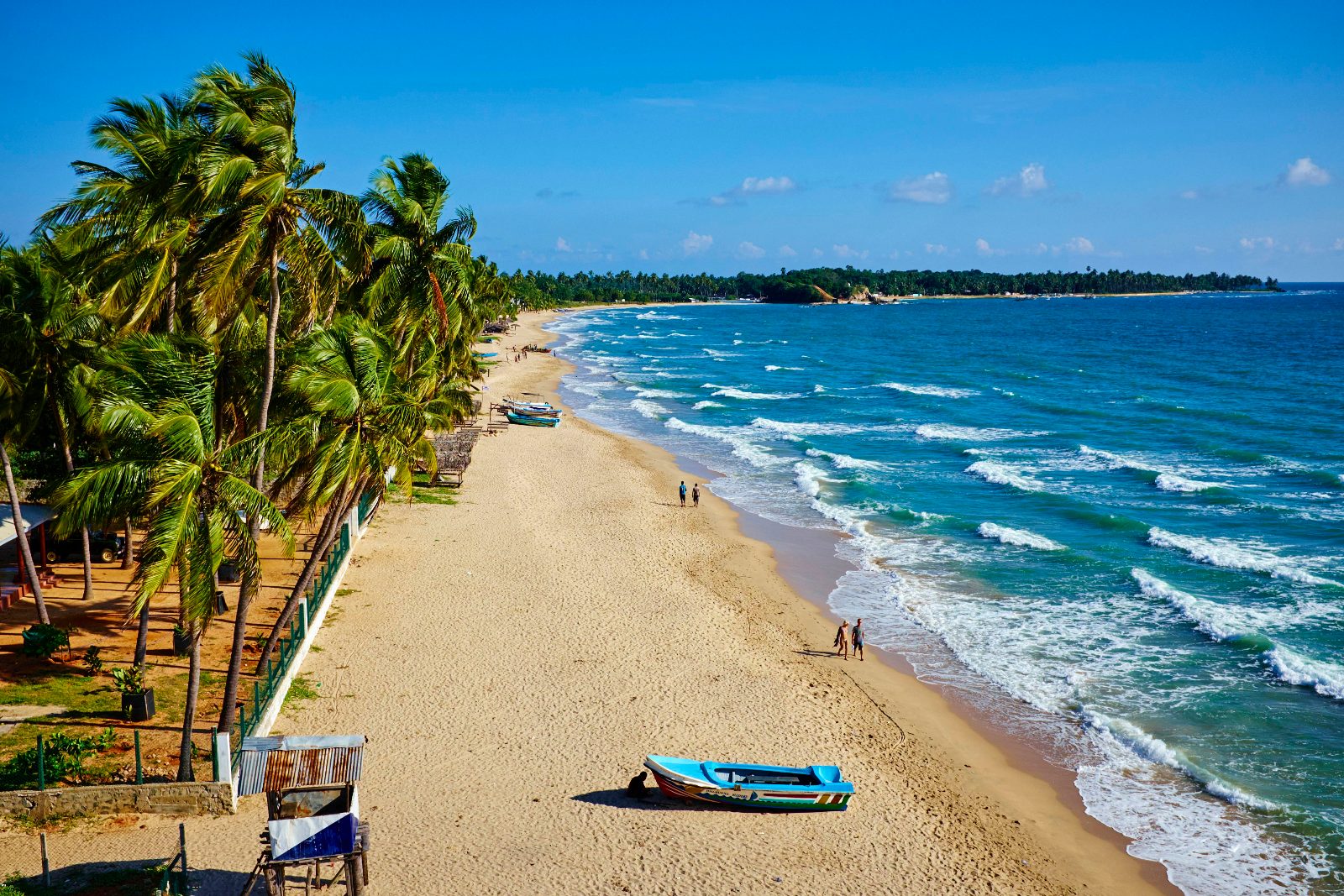
Walk through the shallow water to board the boat directly from the shoreline.
Set off early from the beach to begin the Trincomalee whale and dolphin watching session in search of blue whales.
Head back to Nilaveli Beach while enjoying views of the coastline.
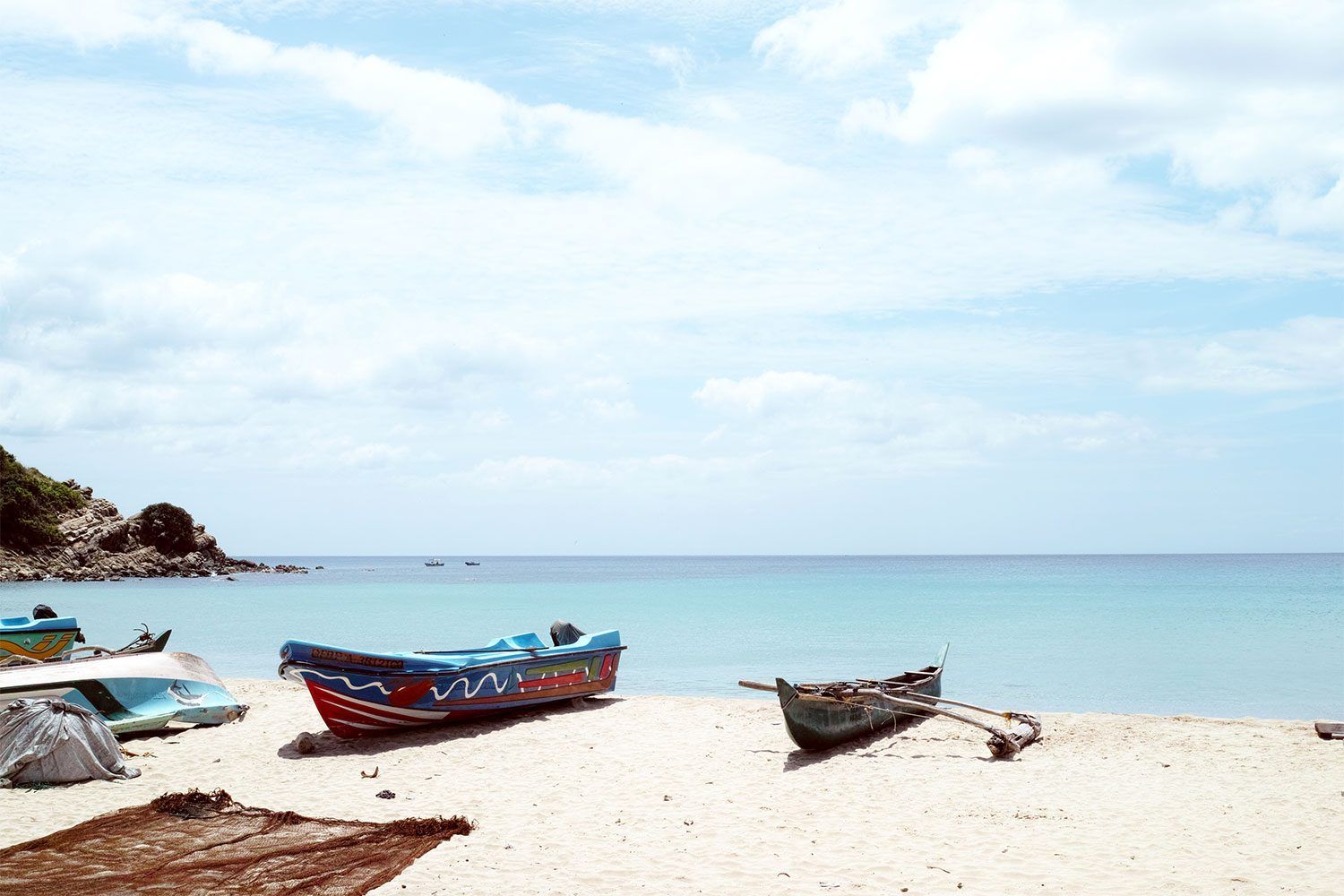
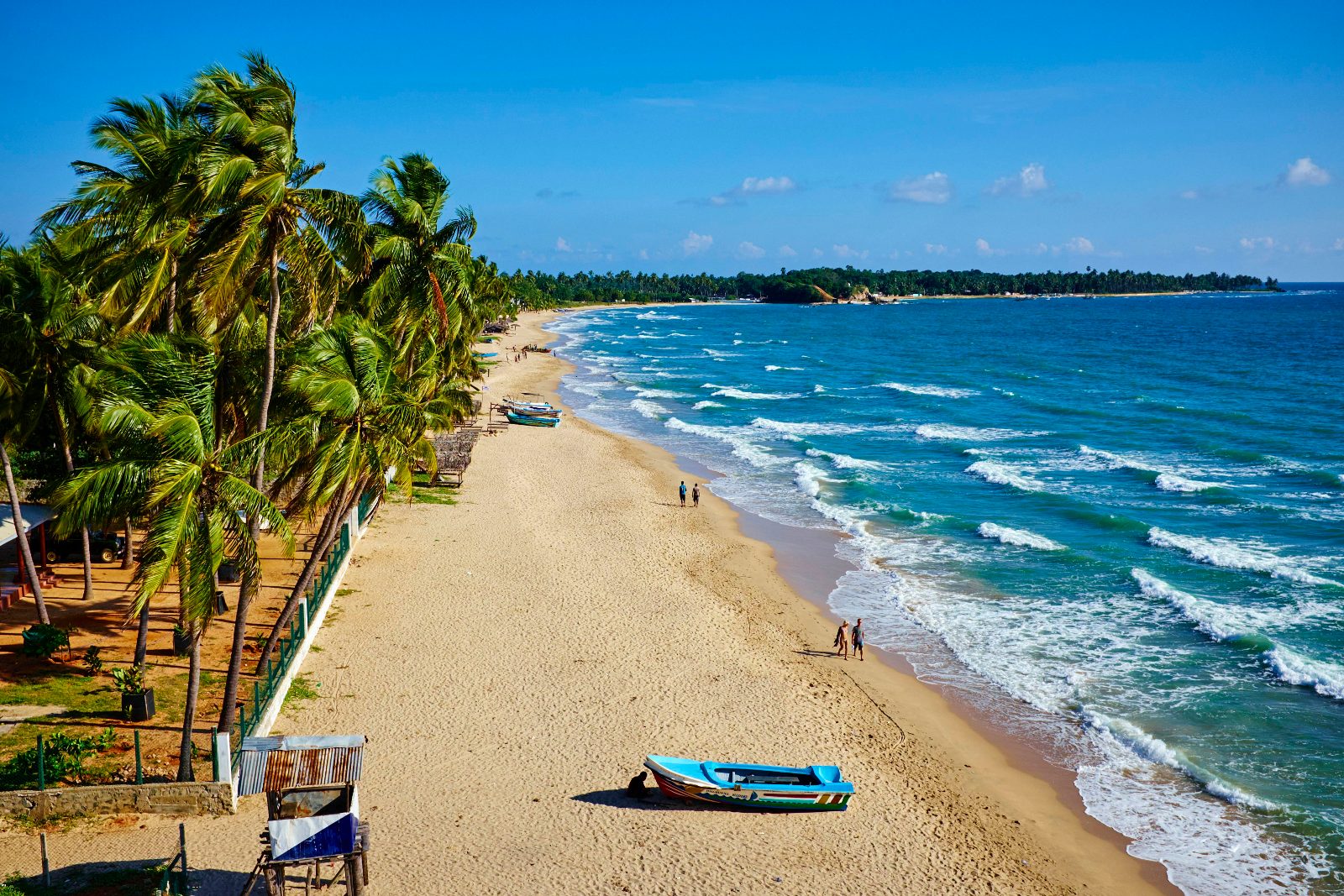
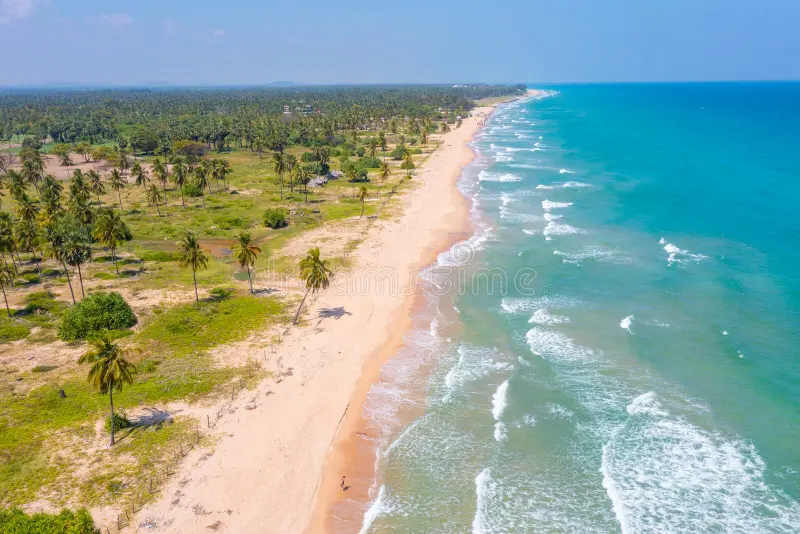
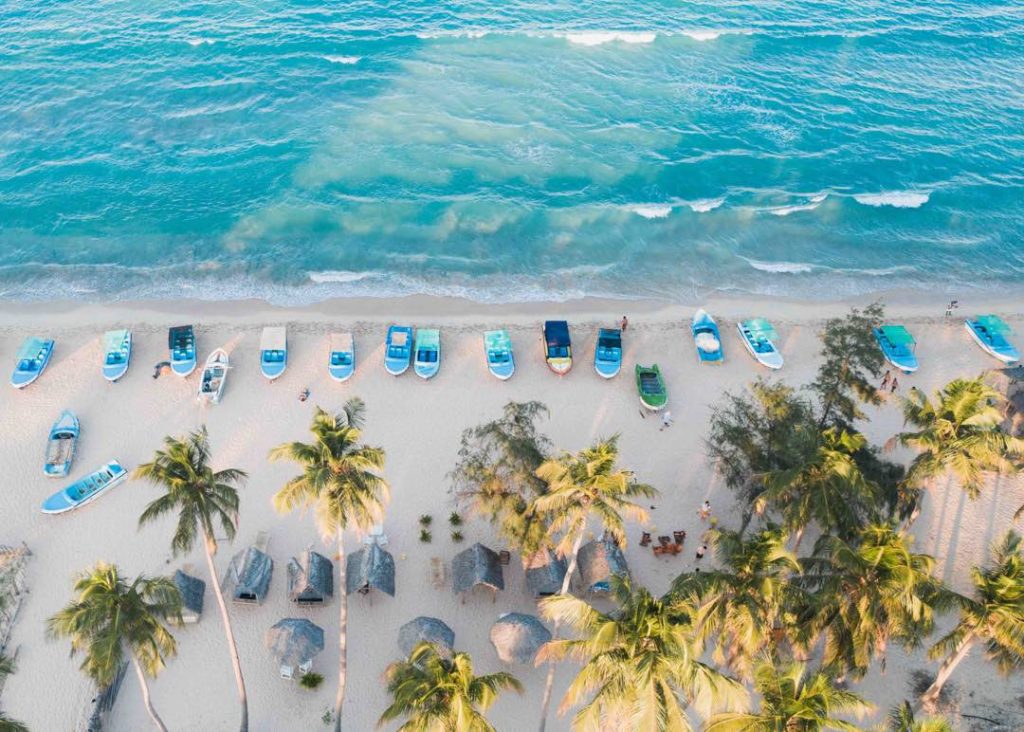
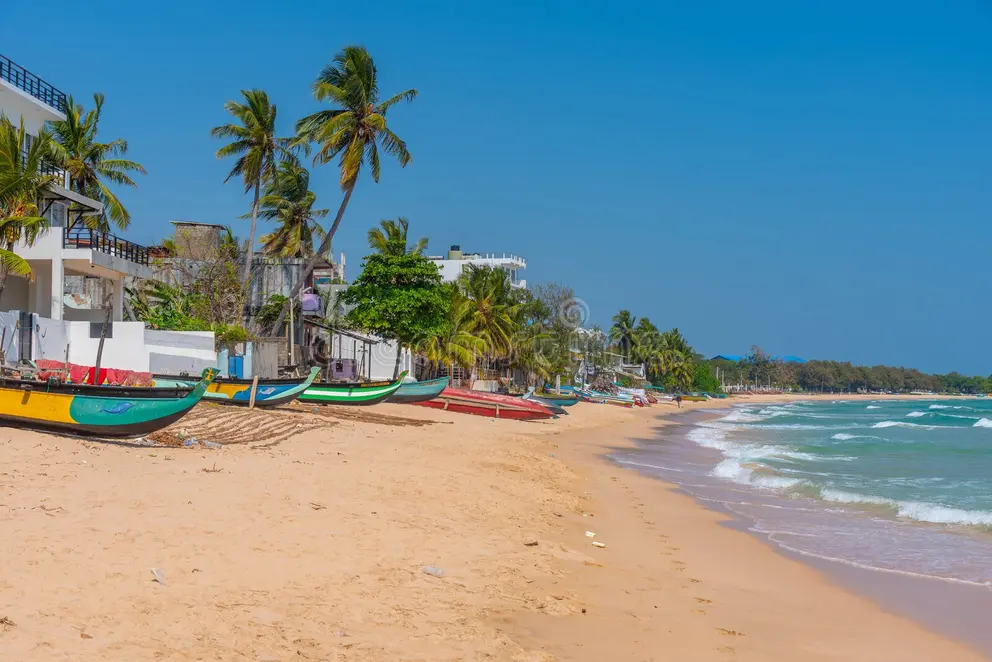
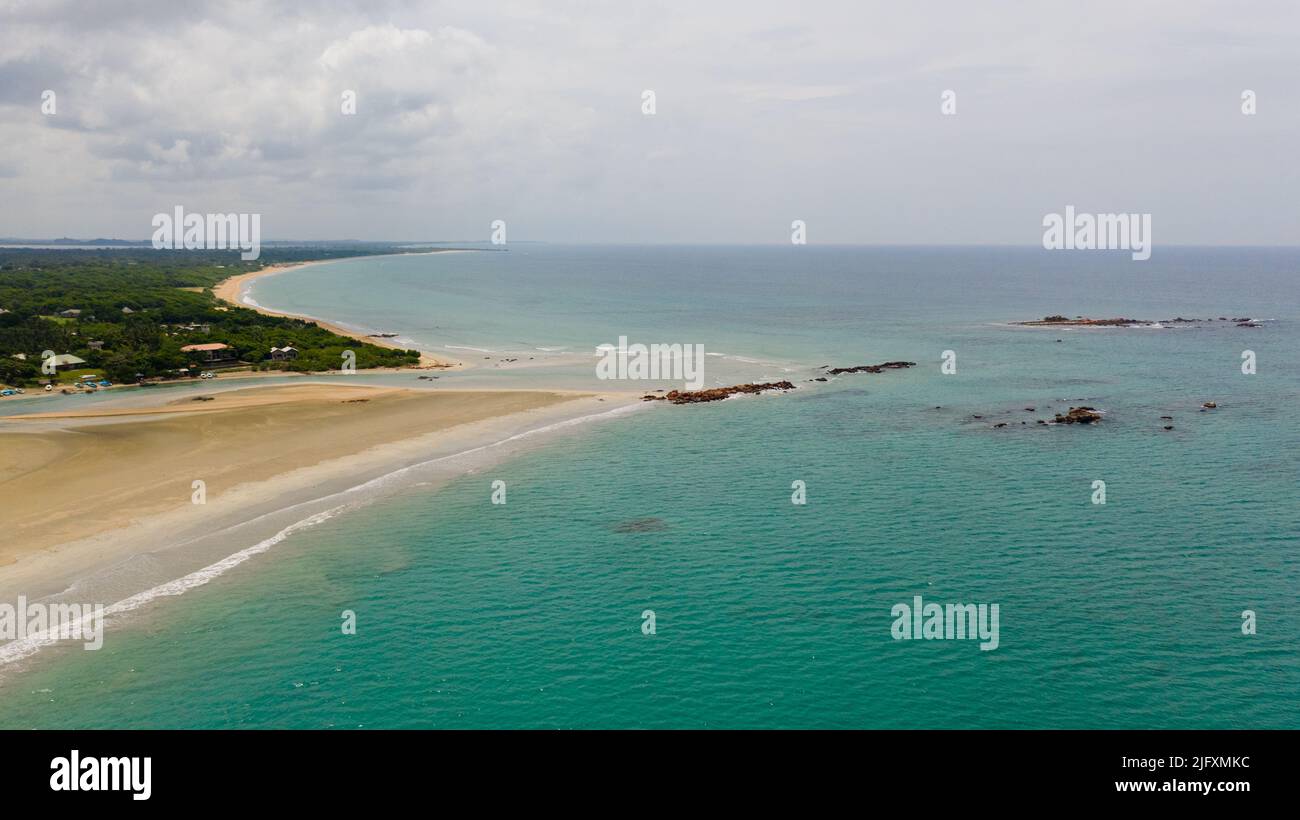
This sandy stretch serves as the main entry point where visitors board boats in knee-deep water. The beach has an entrance fee of 0 LKR, though boat trips are priced independently.
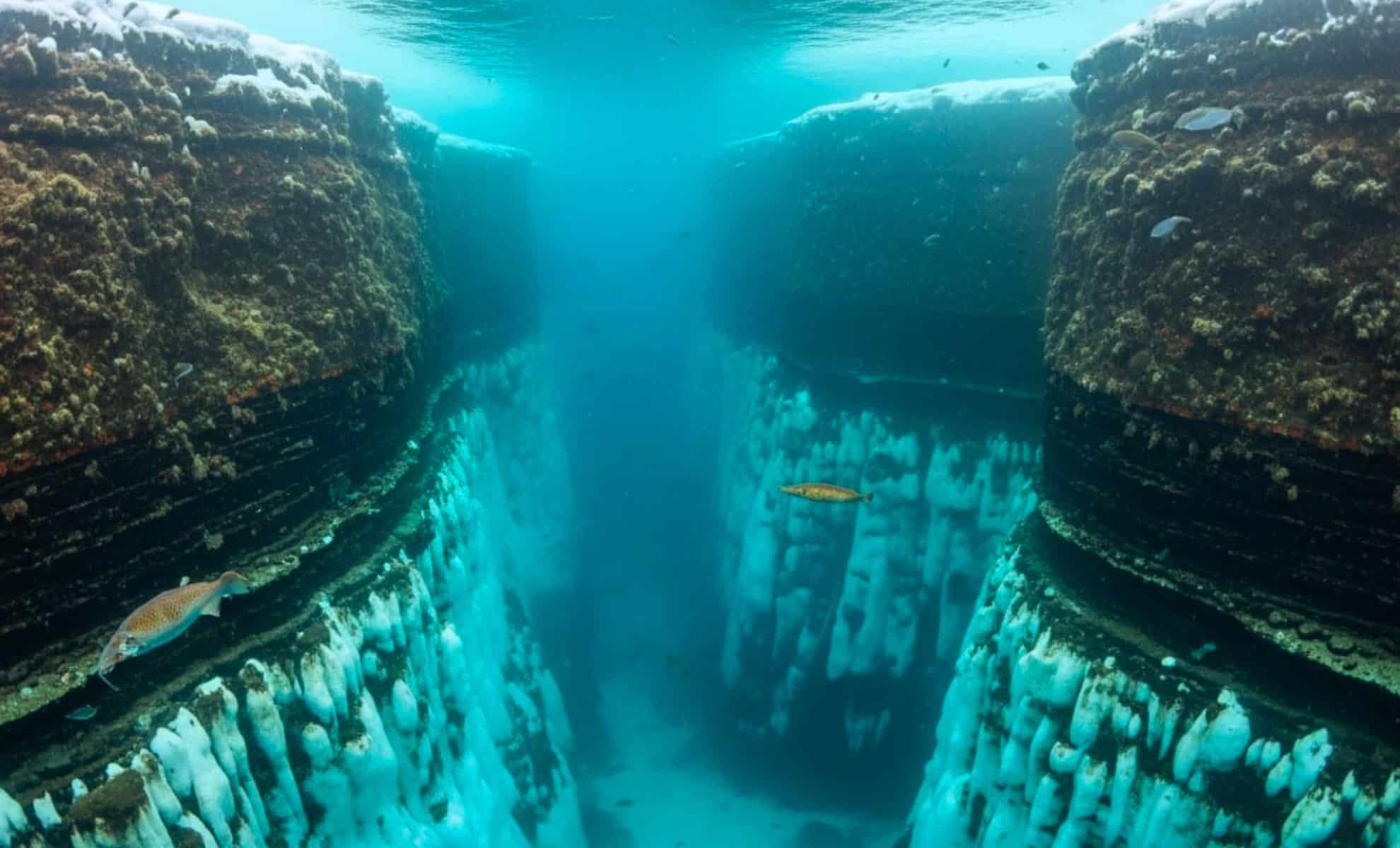
This underwater trench drops to depths exceeding 1,000 meters just off the coast, creating nutrient-rich upwellings. These deep waters serve as a primary feeding ground for giant blue whales.
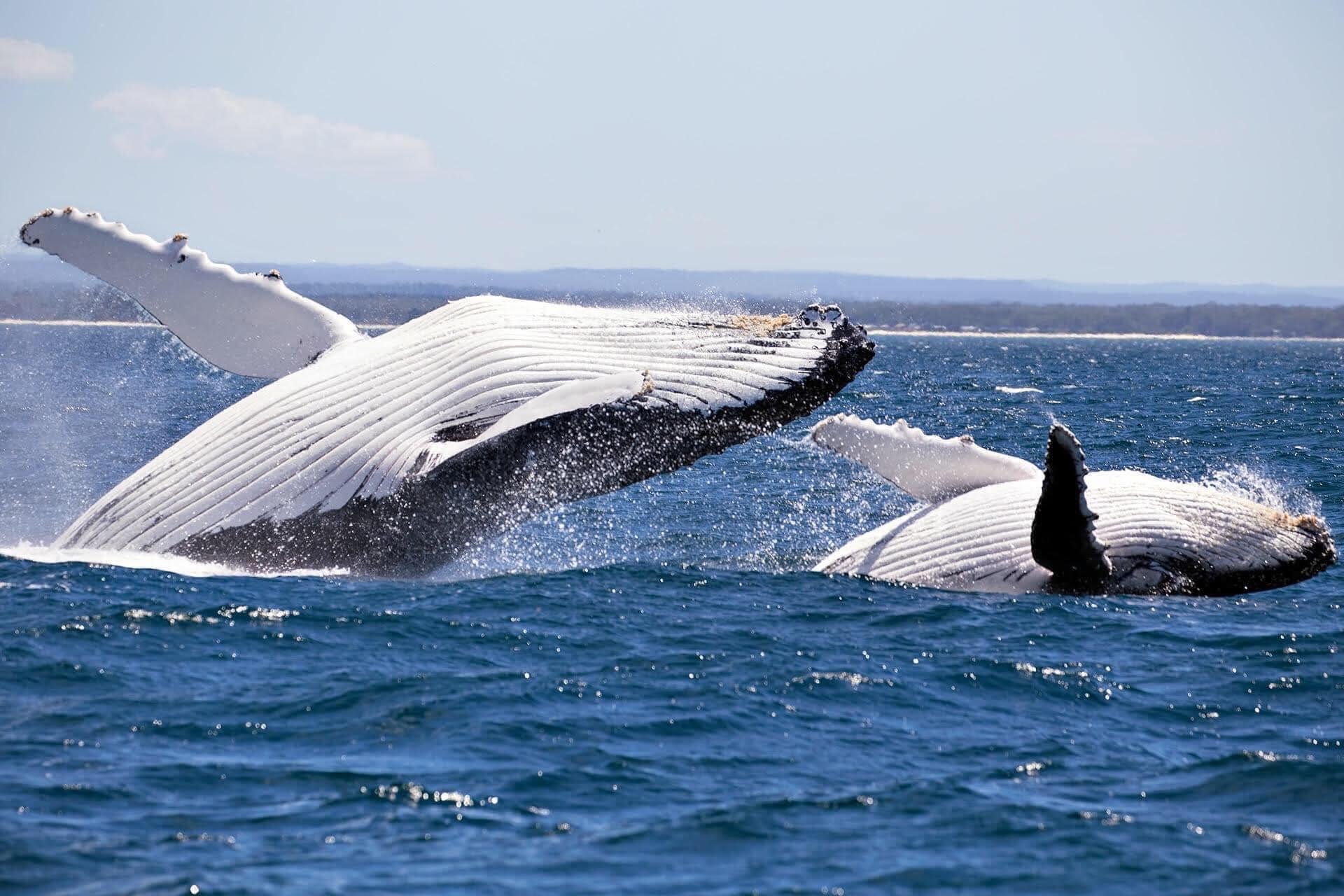
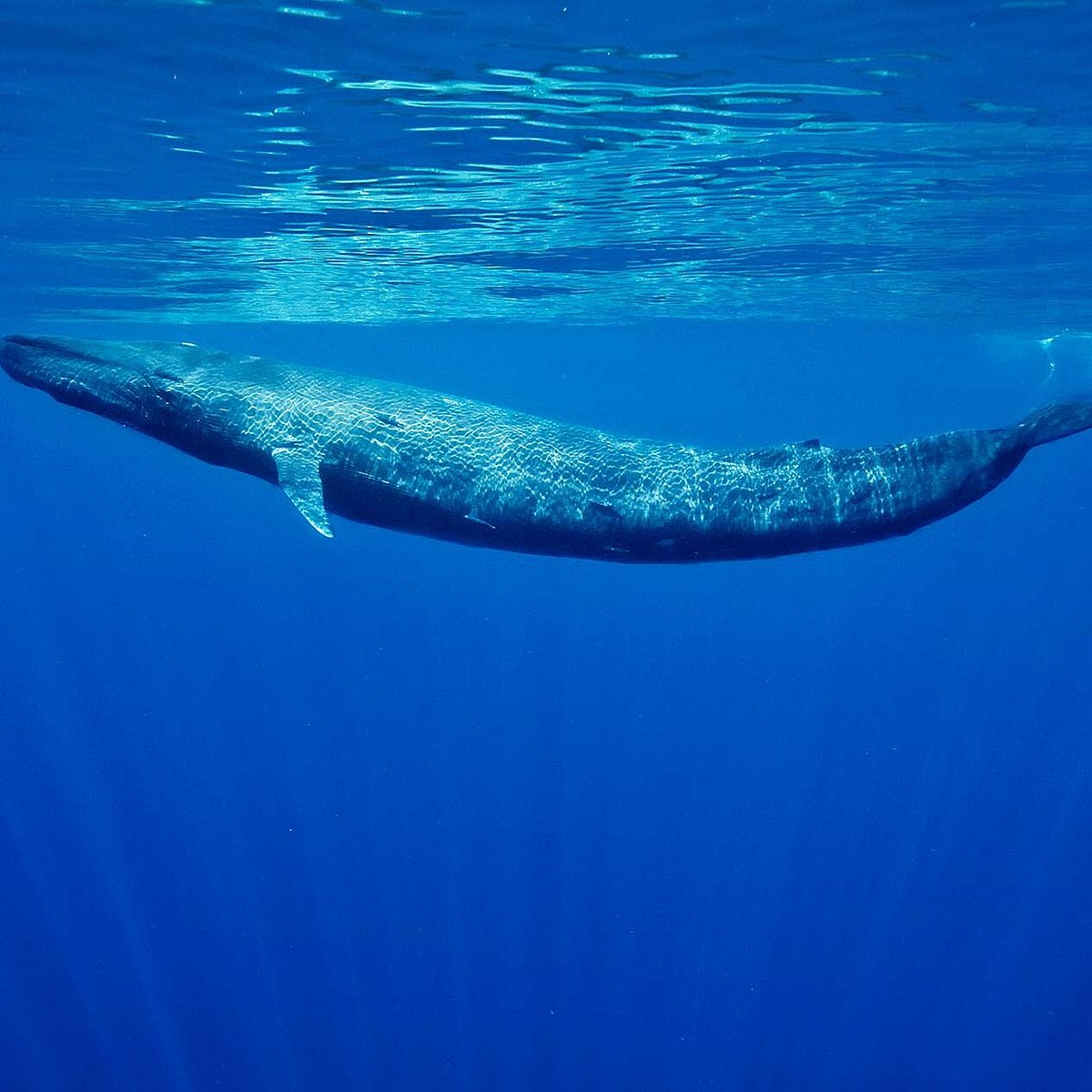
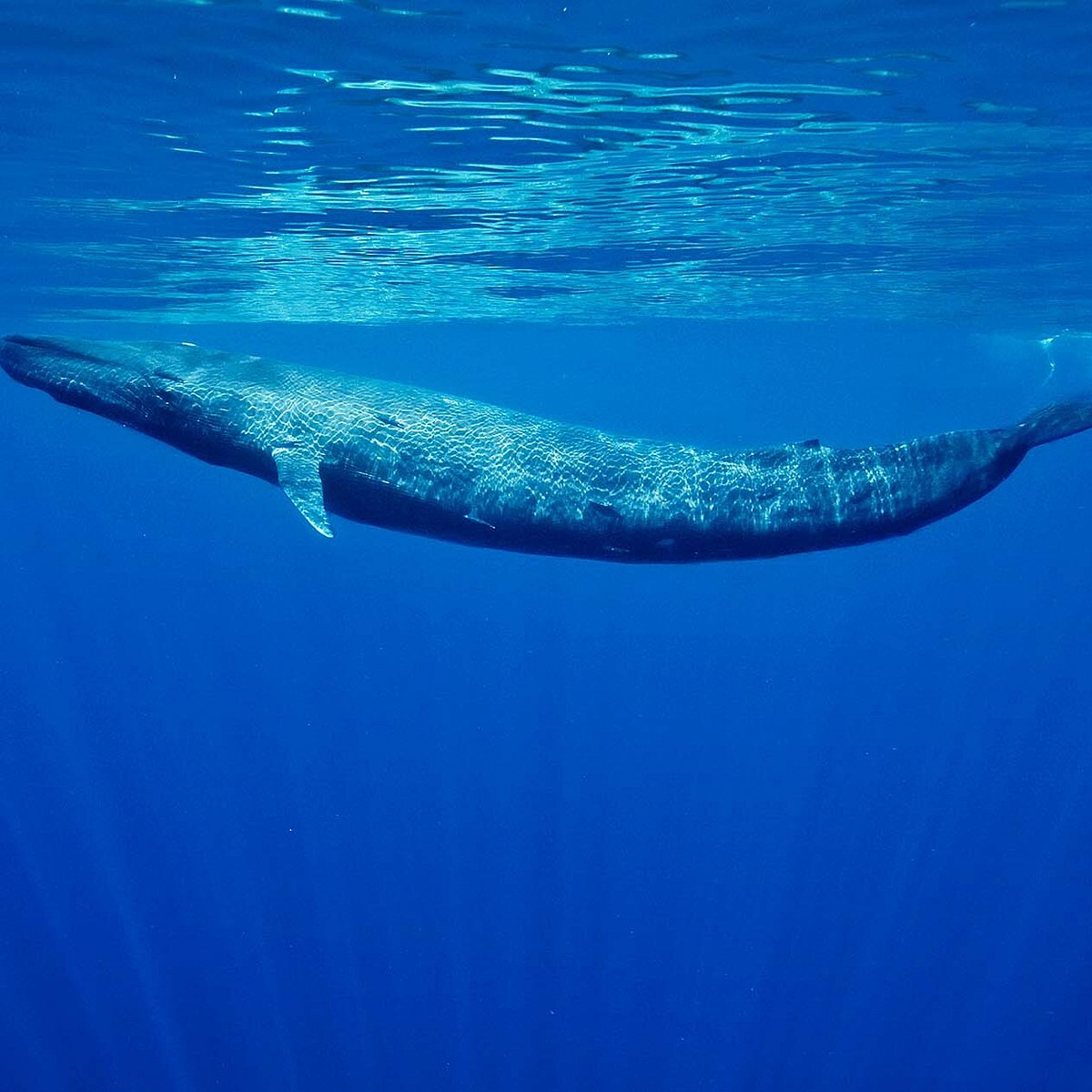
Trincomalee is unique because blue whales, the largest animals on earth growing up to 30 meters, come remarkably close to the shore. Sighting rates here can exceed 80% during the peak season.
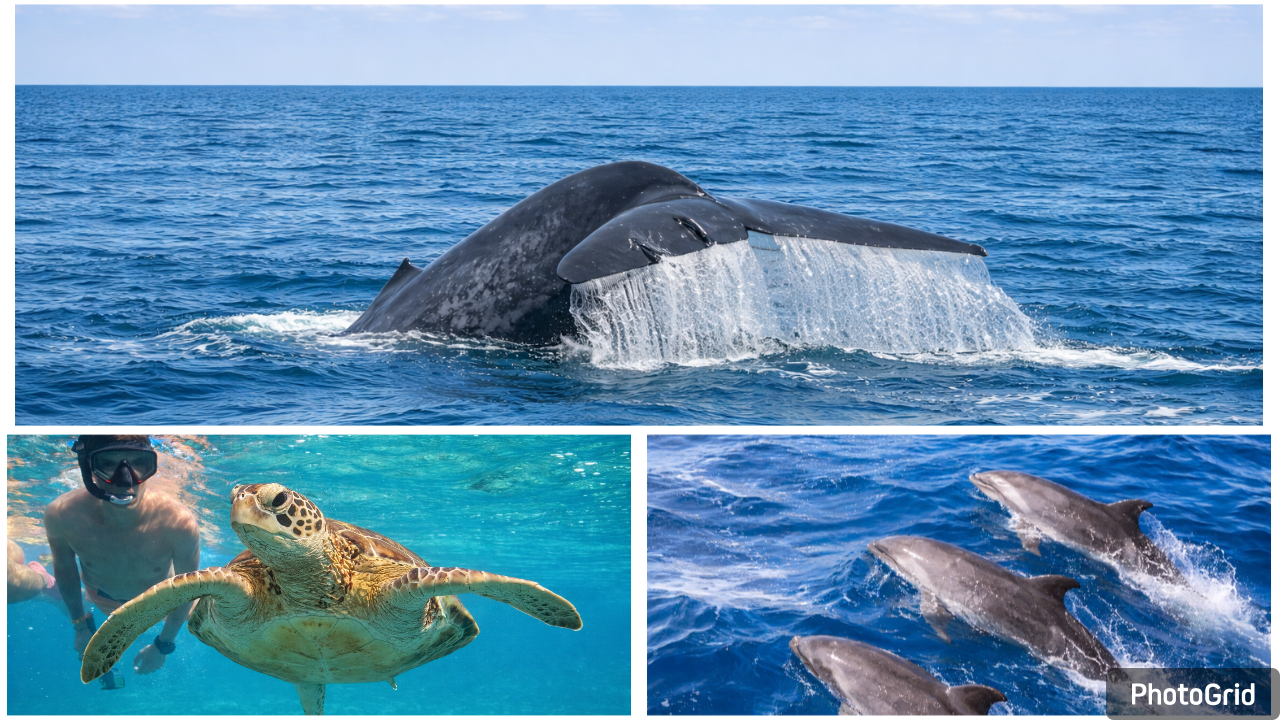
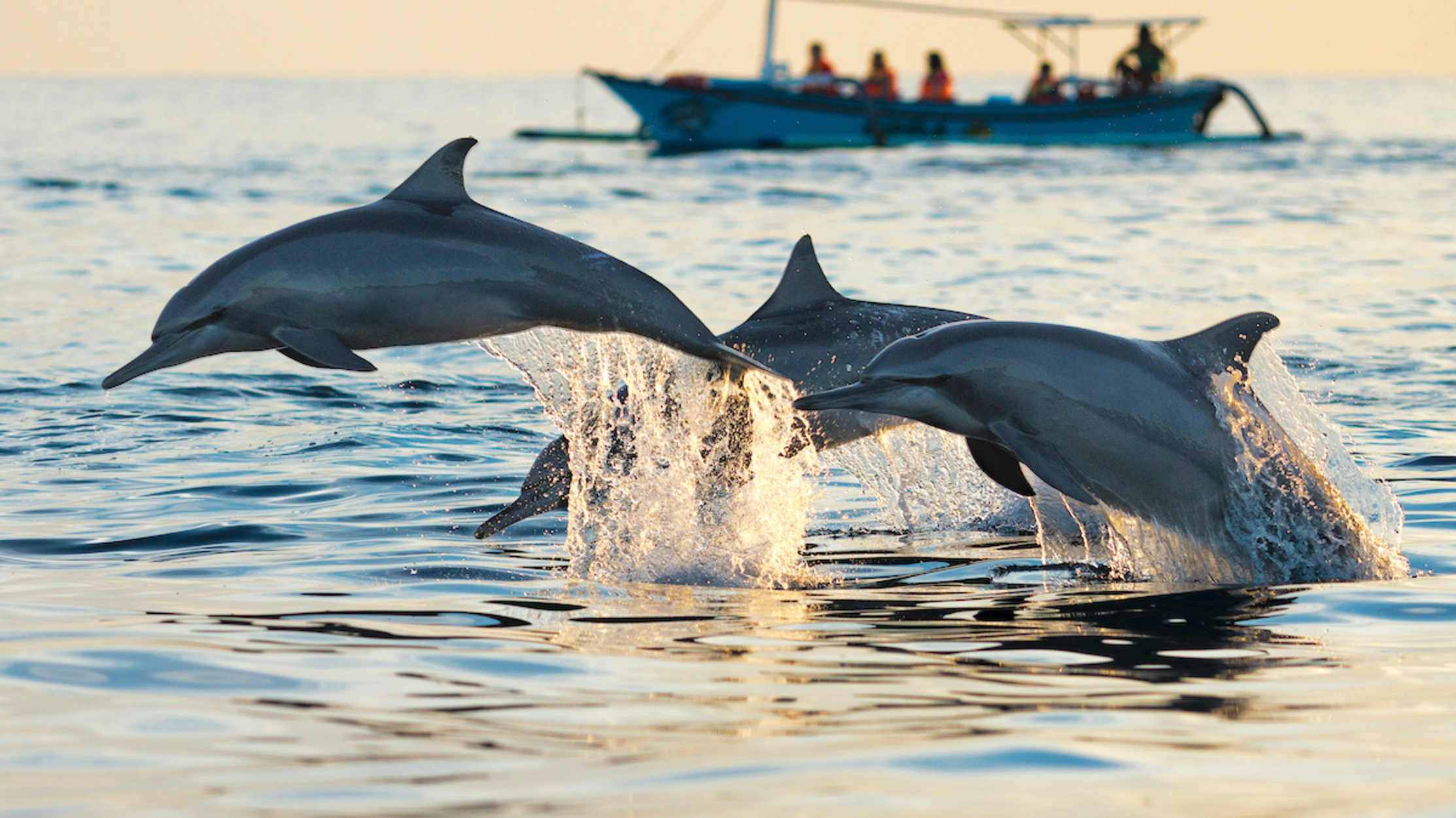
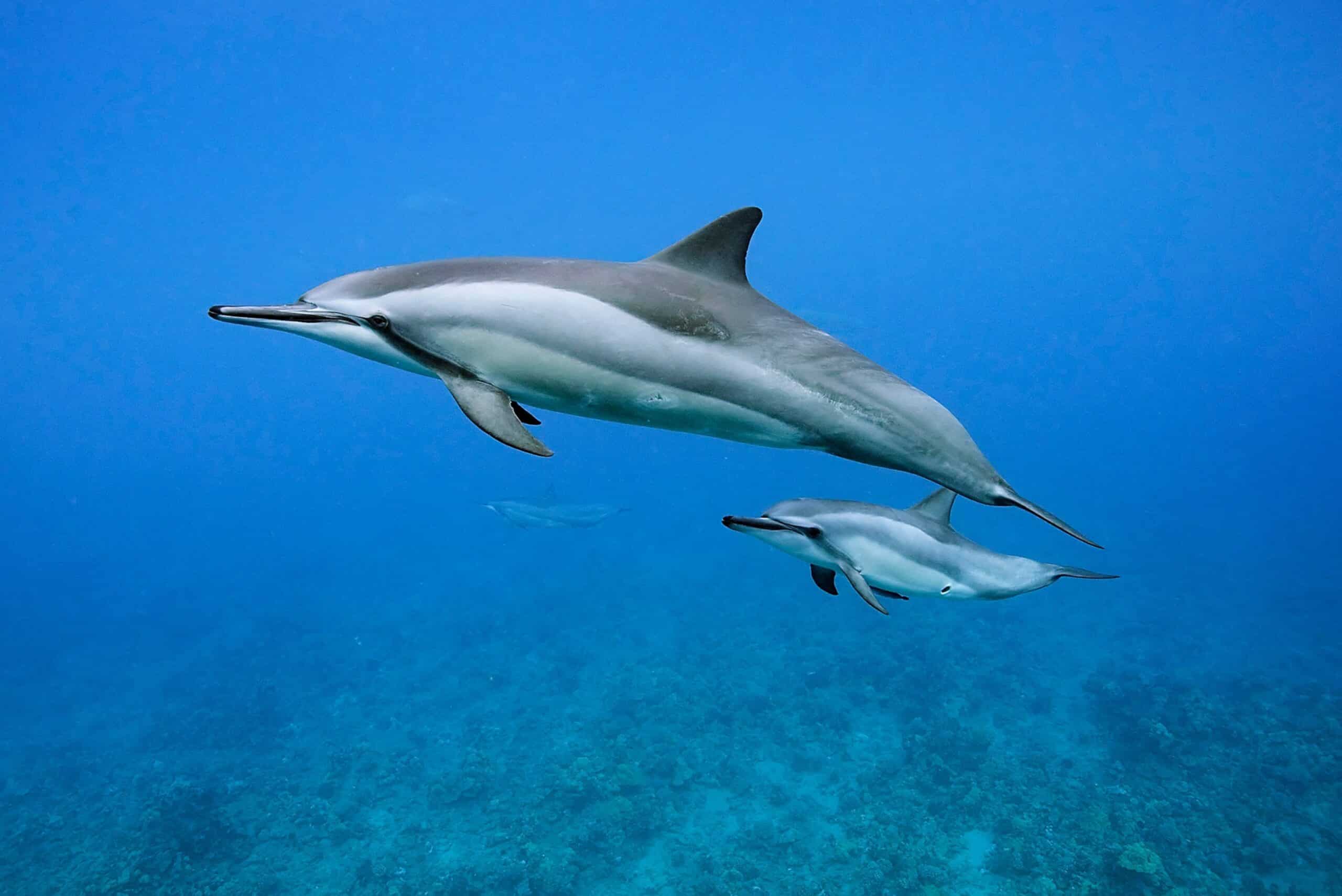
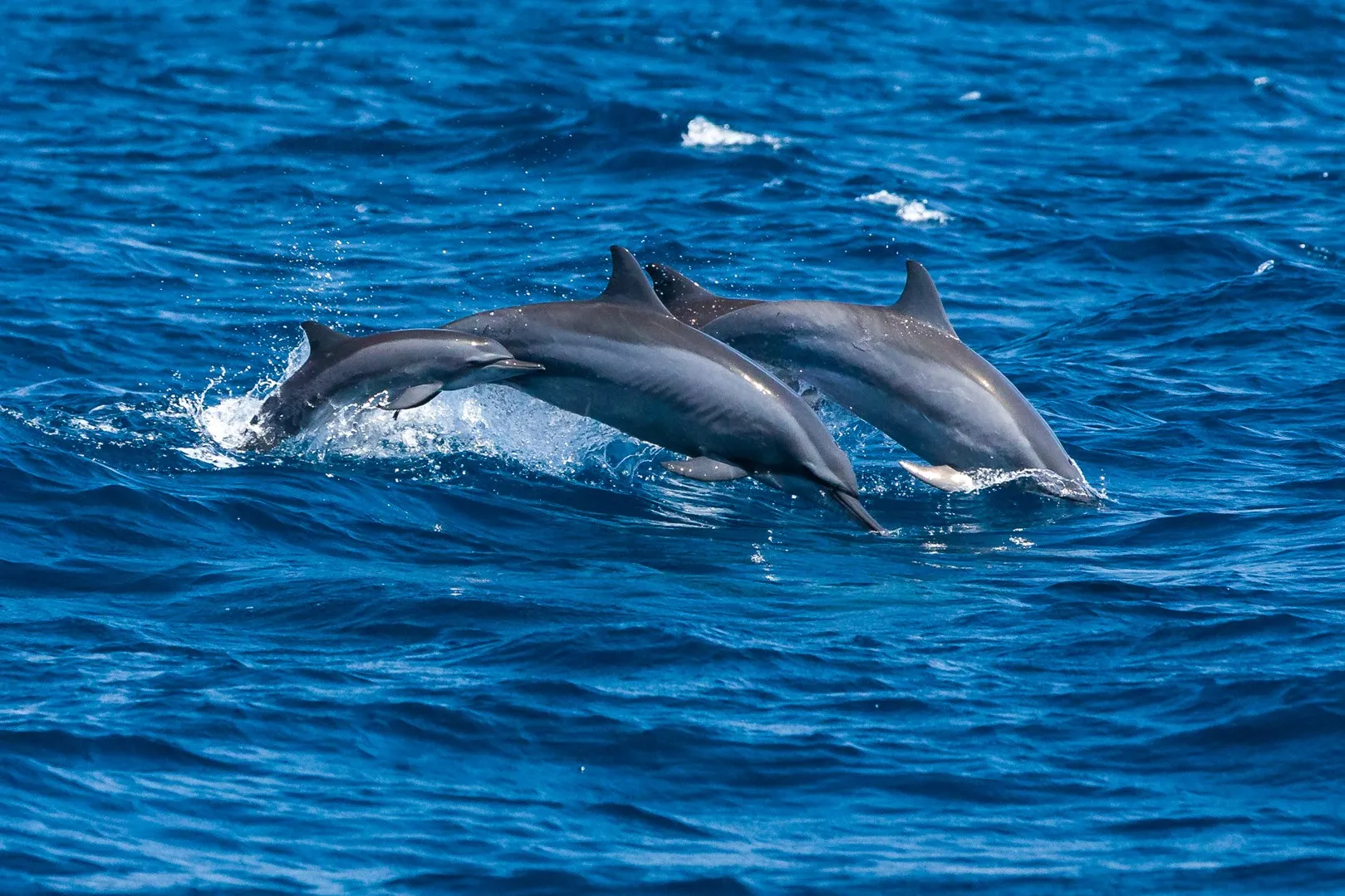
Large pods of spinner dolphins, sometimes numbering over 200 individuals, leap and spin near the surface. They are frequently seen performing acrobatics alongside the speedboats.
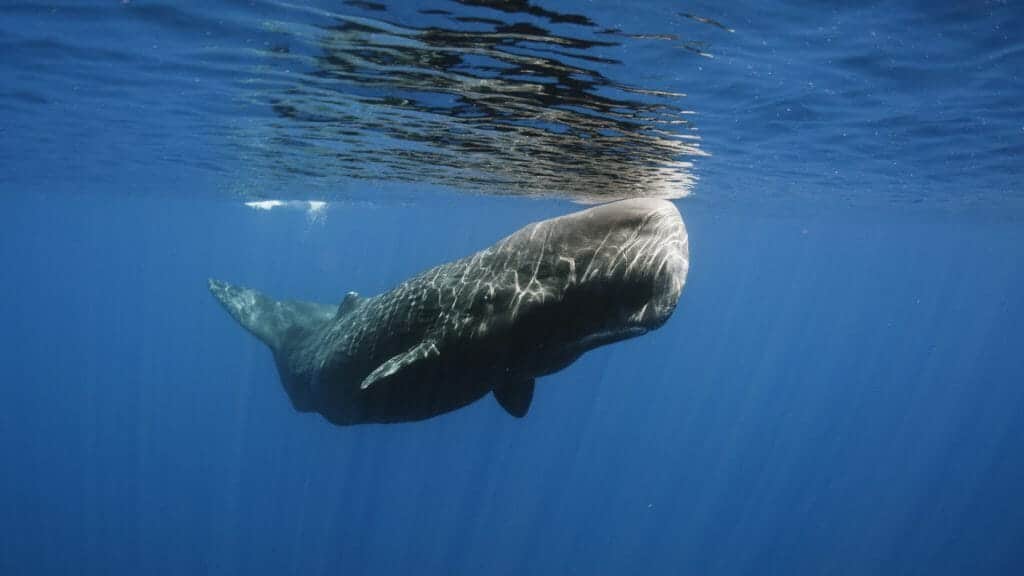
Deeper offshore areas are frequented by sperm whales, which can dive for up to 90 minutes to hunt giant squid. They are typically spotted during their seasonal migration peaks between April and September.
You reach Nilaveli Beach before sunrise, when the water is glass and the air still cool. The boats gather at 06:00; the earliest slot, between 06:00 and 07:30, gives the calmest sea for spotting a blow on the horizon.
You pull on a life jacket, take a seat near the bow, and the outboard settles into a low drone as the shore falls away.
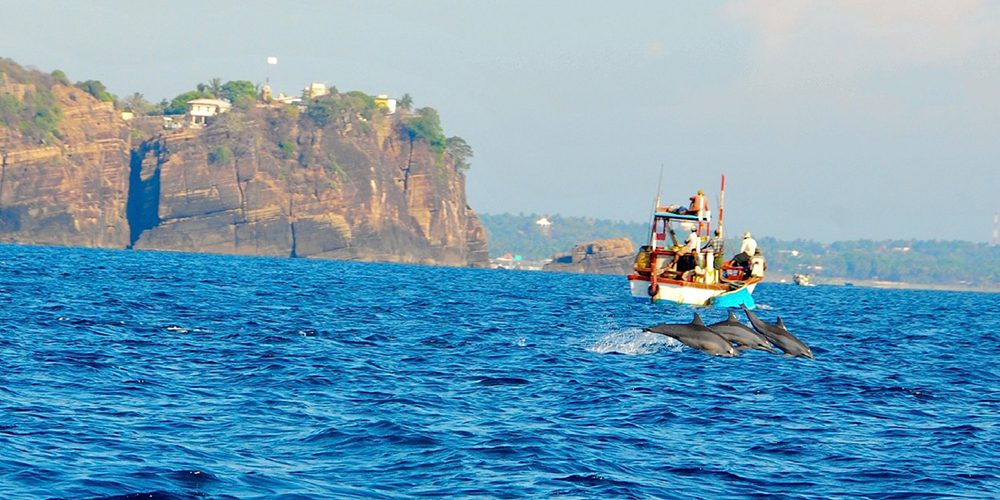
Ten to fifteen minutes out, the first spinner dolphins find you. They peel off from a pod, cross the wake, and rise in threes and fours beside the hull; some spin clear of the surface, twisting before they drop back. You keep your camera low and your eyes on the middle distance, where the skipper scans for a taller, slower spout.
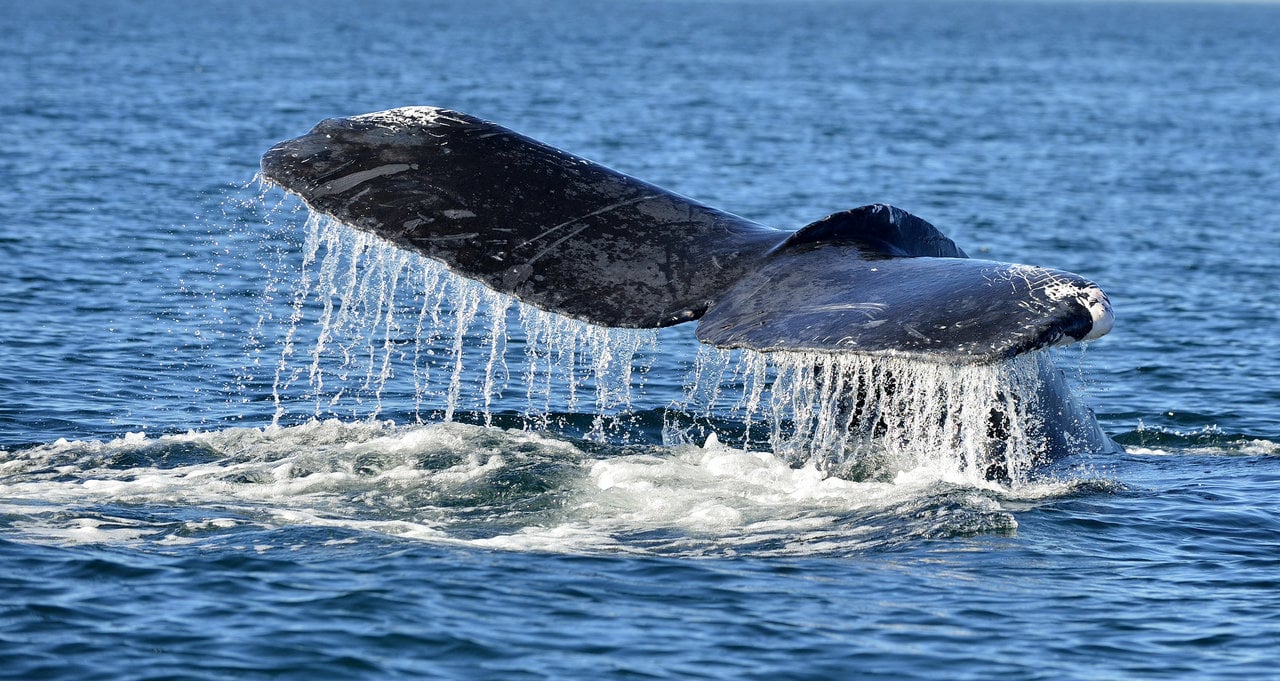
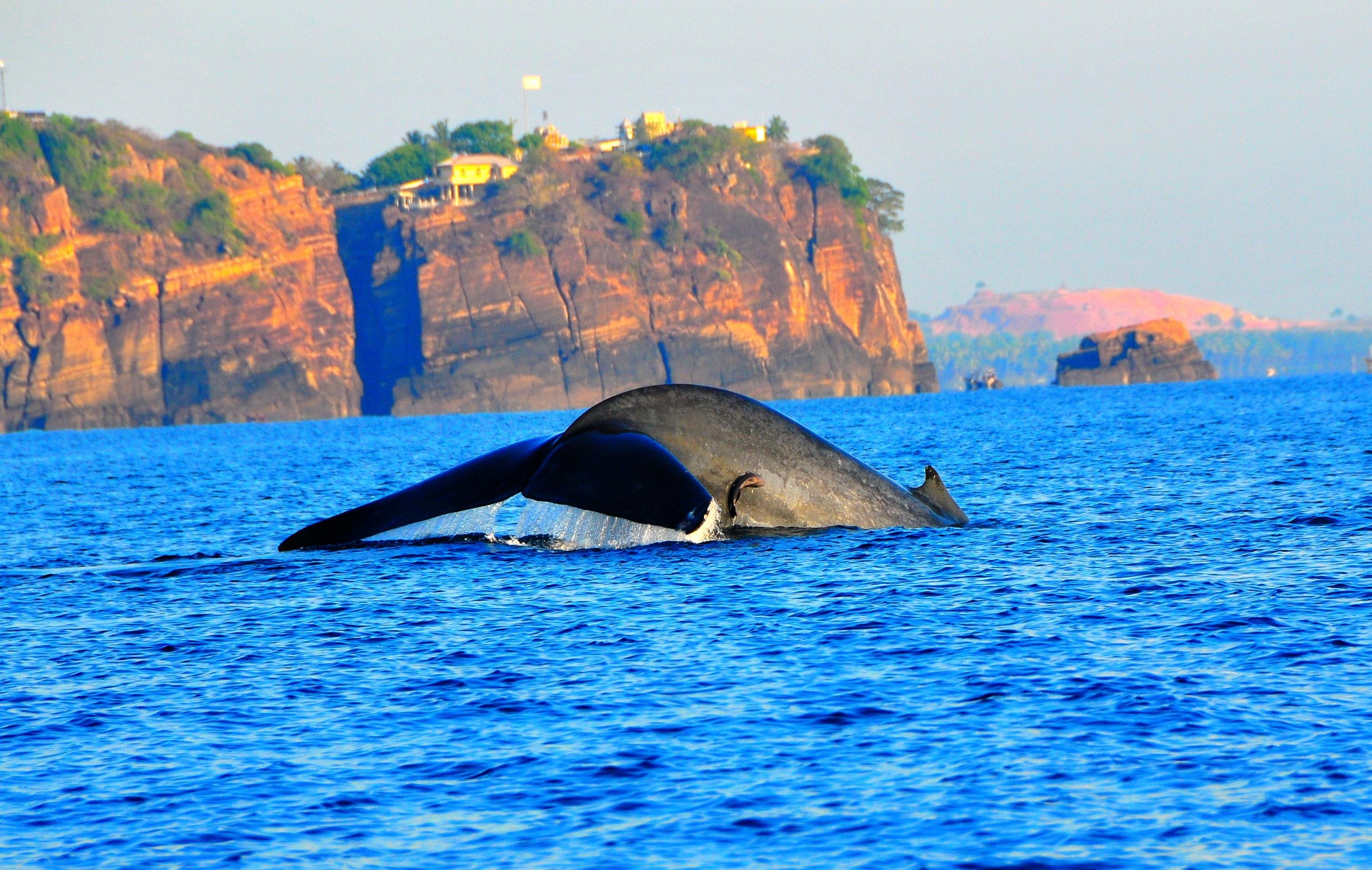
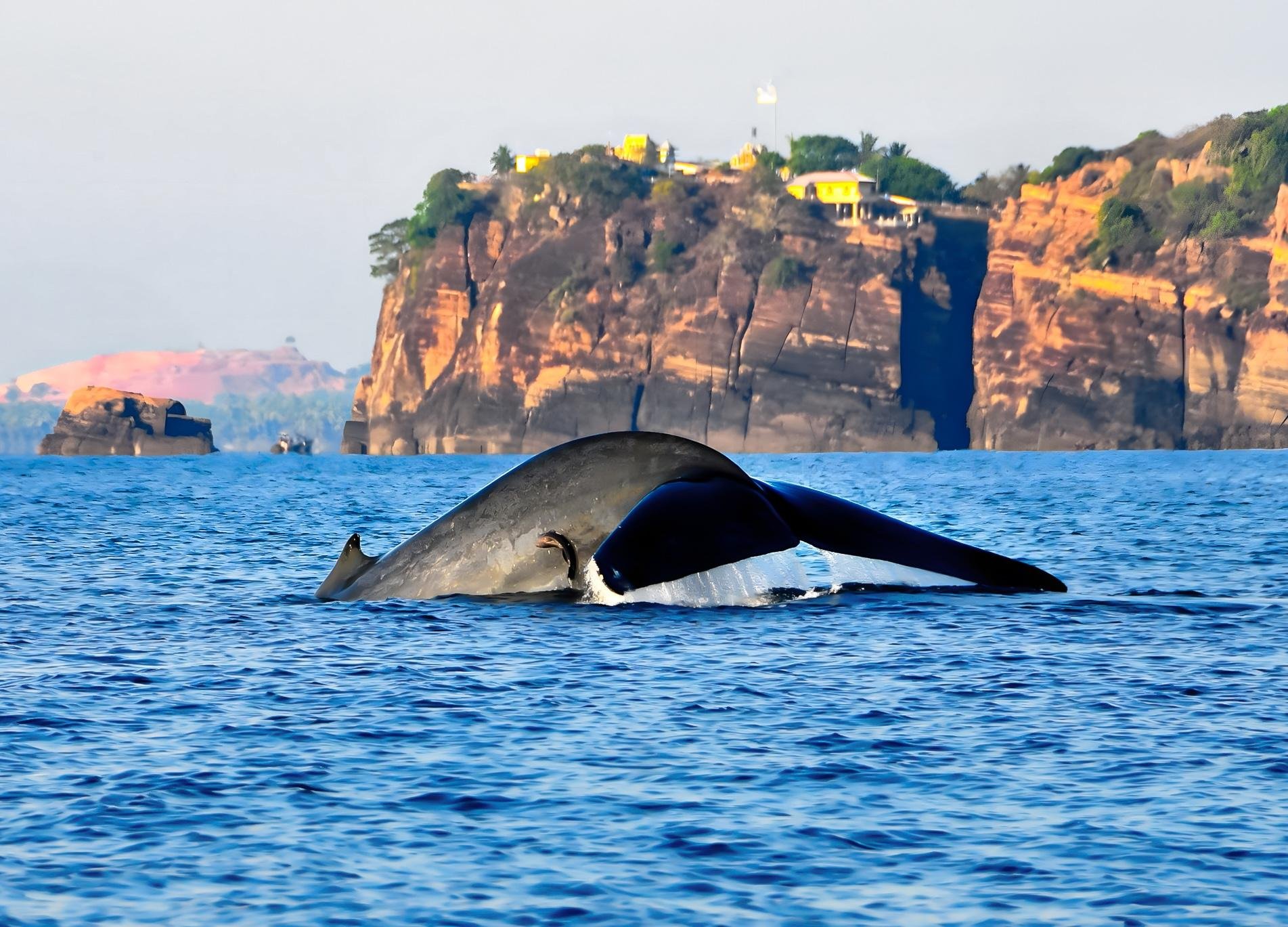
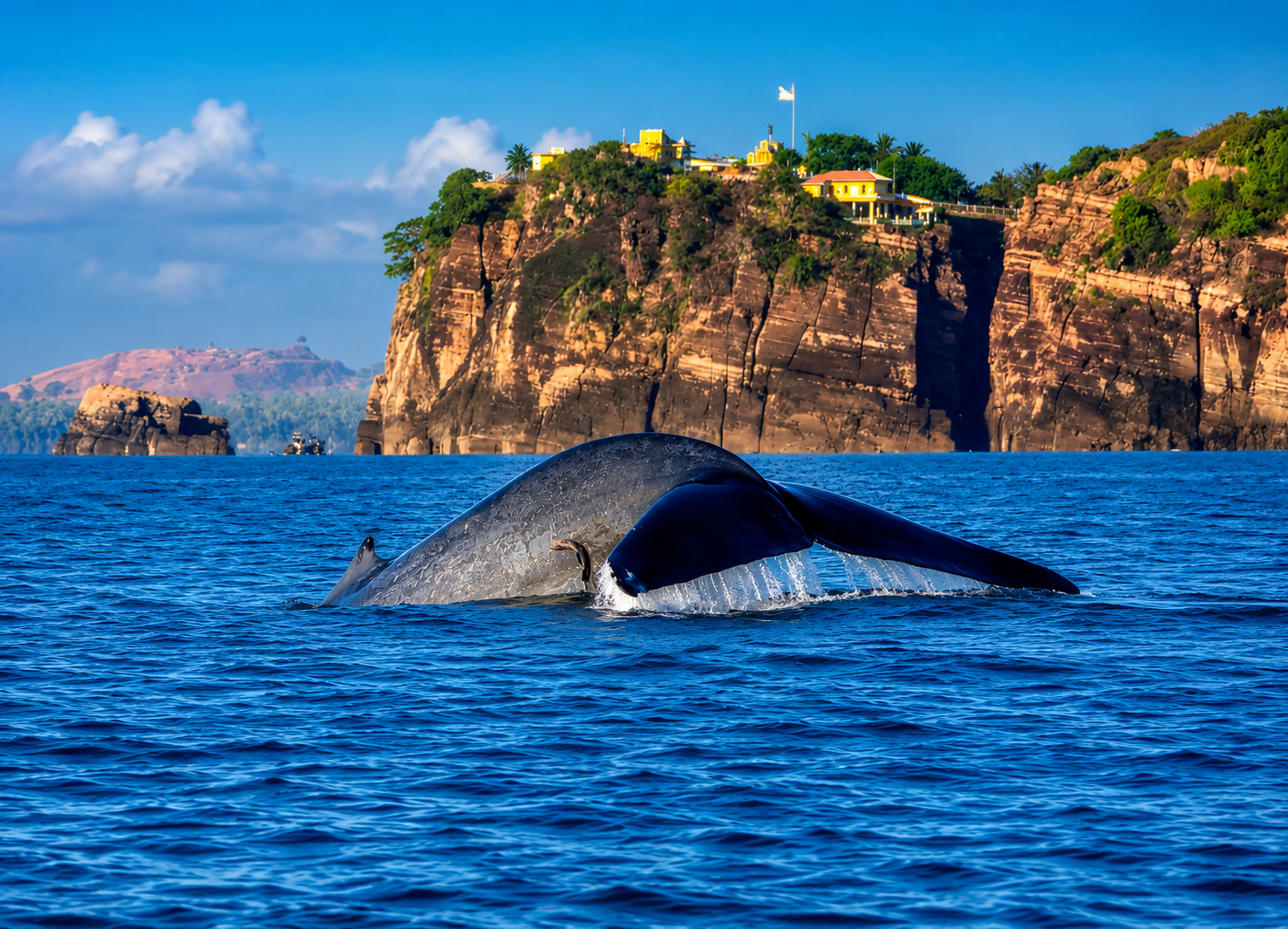
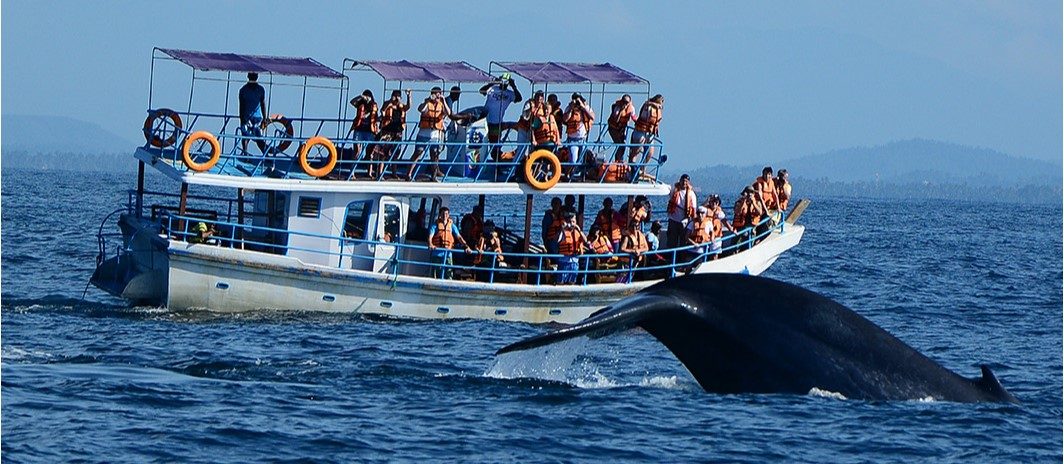
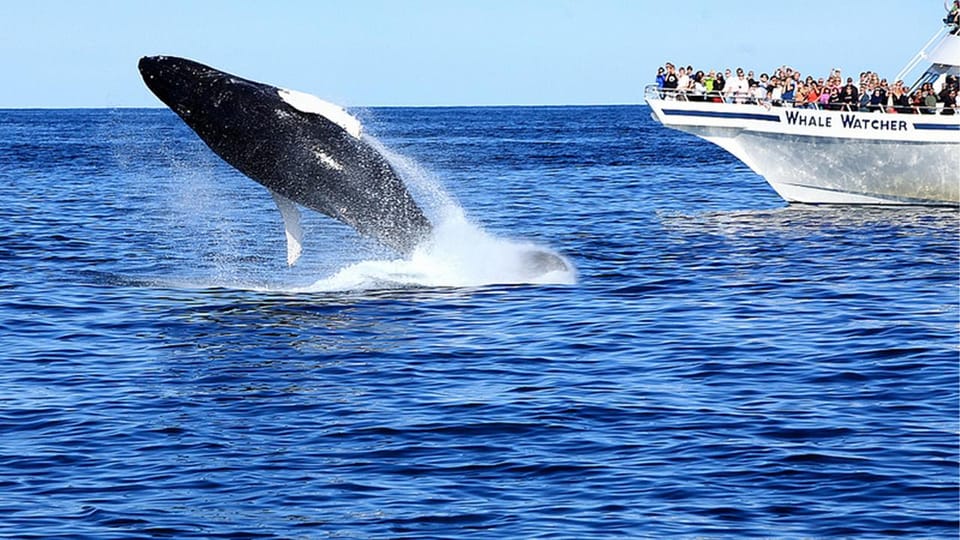
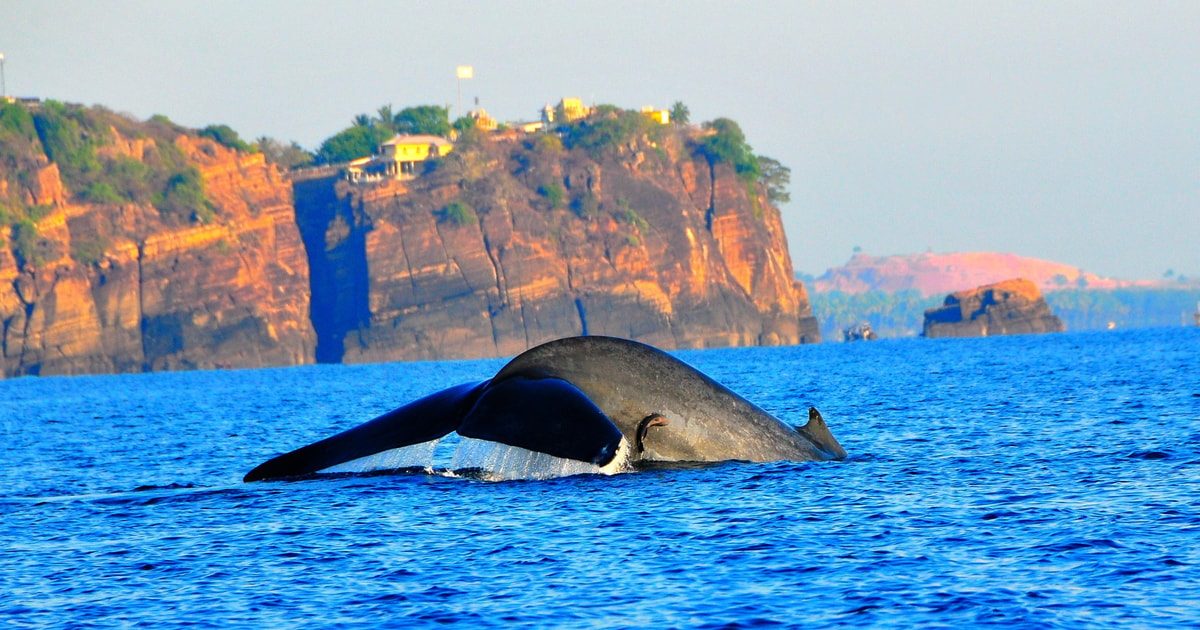
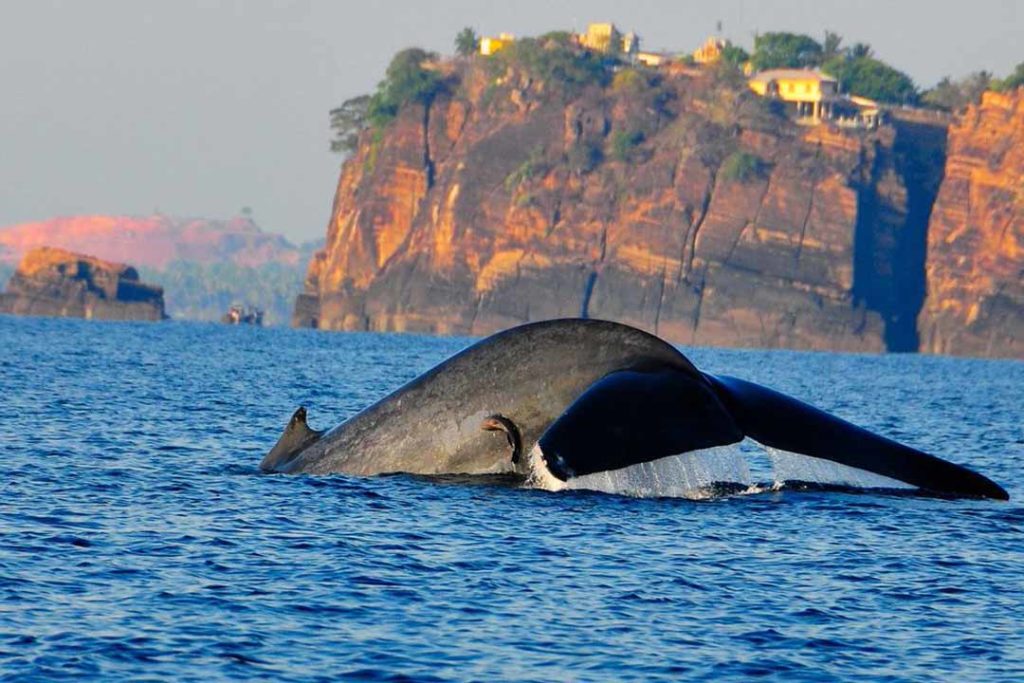
Then it comes — a column of mist, a pause, and the slate-grey ridge of a blue whale surfacing to breathe. The engine cuts. You wait in the swell as the animal arches, shows a small fin, and slides under, the fluke sometimes lifting on a deep dive. Most trincomalee whale and dolphin watching tours give you the morning on the water, long enough to sit with several encounters rather than chase one. By mid-morning you turn back toward Pigeon Island, salt-stiff and sun-warmed, the coast rising ahead, and step onto the sand where you started.
All the details about your upcoming adventure in one place
Trincomalee's natural harbour drops past 1,000 metres within a short run of the shoreline, one of the steepest continental shelves fringing any inhabited coast.
That underwater canyon is the reason trincomalee whale and dolphin watching exists at all: cold, nutrient-rich water rises against the slope, feeding the squid and small fish that draw the largest animal ever to live. Blue whales pass here on their migration along the Bay of Bengal, close enough that skippers reach them within an hour of leaving Nilaveli Beach.
The town's relationship with the sea is old. Portuguese, Dutch and British fleets all prized this anchorage; Lord Nelson called it the finest harbour in the world. Koneswaram temple has crowned Swami Rock above the water since long before those flags arrived, and fishermen worked these grounds for centuries with an intimate knowledge of where the deep water begins. Organised marine tourism is far younger. After the island's long conflict eased, the east coast reopened to visitors, and small operators began converting fishing craft into vessels for whale watching tours. By the late 2010s a handful of skiffs off Nilaveli had grown into a small licensed fleet, and the same families who once fished the shelf now read its water for spouts. What was once local knowledge became a documented season.
Today the waters off Trincomalee count among the more reliable places on earth to see blue whales, alongside sperm whales, Bryde's whales and superpods of spinner dolphins that number in the hundreds. Northern Indian Ocean blue whales are thought to be a resident subspecies, smaller than their Antarctic cousins and rarely studied until recent decades. Researchers value the site because the animals feed rather than merely pass through, giving scientists repeated encounters with identifiable individuals. A trincomalee whale and dolphin watching tour therefore carries a quiet conservation weight: every logged sighting adds to a record of a population still being understood.
The geography also shapes what a visitor sees. Pigeon Island lies just north, its coral shelf a separate marine reserve; the same currents that ring it with reef fish carry the plankton blooms further out. Sperm whales dive the canyon walls for squid, surfacing in loose family units. Spinner dolphins ride the bow in the shallows, spinner and spotted together, while the whales keep to the drop-off. Booking trincomalee whale and dolphin watching tickets is now routine along the strand, yet the encounter remains wild and unscripted — a fin, a blow, a slick of calm water, then the long grey back rolling under. The Indian Ocean here keeps its own timetable, and the boats simply follow it.

The harbour drops to a thousand metres within sight of the shore, and the largest animal that ever lived comes to feed in the cold water rising against the slope.
Wear lightweight, quick-drying clothes and swimwear during Trincomalee whale and dolphin watching, as boarding requires stepping into knee-deep water. Bring a light windbreaker to shield against sea breezes and non-slip sandals.
Keep belongings to a minimum because open boats have very limited dry storage space. All passenger bags should be waterproof or placed in dry bags to protect electronics from salt spray. A Trincomalee marine wildlife tour operator may inspect bags for safety before boarding.
For capturing marine life during Trincomalee whale and dolphin watching, a DSLR with a telephoto zoom lens is recommended. Protect your camera gear with a waterproof dry bag or silicone sleeve to prevent damage from salt spray. Avoid using drones, which are strictly prohibited over the water without government permits.
Families embarking on Trincomalee whale and dolphin watching should ensure children wear properly fitted life jackets at all times. Children must be closely supervised by an adult during the entire boat ride.
Due to beach boarding requirements, Trincomalee whale and dolphin watching is not accessible for wheelchair users or travelers with limited mobility. Special boarding arrangements cannot be accommodated at Nilaveli Beach.
Outside food and non-alcoholic drinks in reusable containers are permitted on the boats. Most operators provide complimentary drinking water, but bringing dry snacks is recommended for longer trips. Do not bring glass bottles or single-use plastics on your Nilaveli boat tour.
Calmest morning waters
Fewer crowds mid-week
Calm morning waters
Higher weekend attendance
Hours
06:00–18:00
Address
Nilaveli Beach, Trincomalee, Sri Lanka
Access
Requires boarding boat from shallow water
Best Arrival
06:00–07:30
Entry Fee
0 LKR (Boat tours charge independent rates)
Taxi · 20 min · LKR 1,500 - 3,000
Travelers booking Trincomalee whale and dolphin watching tours can reach the launch point by hailing a local tuk-tuk or private taxi from Trincomalee town.
Car · 20 min · Fuel cost
Drive north from Trincomalee town along the Pulmoddai Road (B424) directly to Nilaveli Beach, where free public parking is available.
Public transport · 40 min · LKR 100 - 200
Take the local bus route 890 from the central Trincomalee Bus Stand to Nilaveli, followed by a short walk to the beachfront.
While beach access is 0 LKR, booking Trincomalee whale and dolphin watching requires a deposit that is fully refundable up to 24 hours before departure.
Recommended time
3 hours (standard duration for most trincomalee whale and dolphin watching tours)
Setting sail early in the morning offers the best opportunity to witness the diverse marine life thriving off Nilaveli Beach. A dedicated trincomalee whale and dolphin watching excursion typically journeys to the deep-water trench, where you will spend the majority of your time searching for blue whales and spinner dolphins. Most registered vessels depart promptly at 06:00 to take advantage of the calmest sea conditions before strong afternoon winds develop. To avoid long wait times at the shore or missing out on limited vessel capacity, visitors should purchase their trincomalee whale and dolphin watching tickets well in advance of their arrival.
Crowd levels through the day
Weather · crowds · average price — dots go green to amber to red as each metric rises.
This period offers the calmest seas for a Trincomalee whale and dolphin watching tour. The dry southwest monsoon makes the east coast waters peaceful, maximizing your chances of seeing blue whales and large pods of spinner dolphins.
Operations are completely suspended during these months due to the rough seas and heavy rains brought by the northeast monsoon. Travelers wishing to see marine life during this time should head to Mirissa on the south coast instead.
These are the absolute peak months for sightings. The Indian Ocean is typically very calm, and temperature conditions attract a high concentration of sperm whales and resident marine mammals.
Sperm whales and spinner dolphins are commonly seen during this late summer stretch. Sea conditions remain favorable before the monsoon shifts in November.
Booking your Trincomalee whale and dolphin watching early is recommended during the peak dry season to secure reliable operators.
Take motion sickness medication about 30 minutes before boarding the boat. The swells in the open ocean can be strong, even on clear days.
Wear clothes that can get wet, as boarding involves wading into the surf. Avoid wearing expensive shoes and opt for secure sandals instead.
Store your phones, cameras, and wallets in a sealed dry bag. Wind and speed can cause salt spray to splash inside the boat.
Choose operators that follow international whale watching guidelines. Ensure the boat maintains a distance of at least 100 meters from the animals and never blocks their path.
Bringing a pair of waterproof binoculars can greatly enhance your viewing experience. They help you spot distant blows and dolphin fins before the boat gets closer.
Nilaveli Beach, Trincomalee, Sri Lanka
Most standard and skip-the-line whale watch boat operators depart directly from the sandy shoreline near the main hotels.
Get directionsTrincomalee guards one of the world's deepest natural harbours, a strategic prize contested for centuries. The Portuguese raised Fort Frederick above the bay in 1624, and the British later moored the Eastern Fleet here. For decades its eastern waters stayed beyond reach. Sri Lanka's civil conflict, which closed only in May 2009, sealed the coast to travellers. Peace reopened the shoreline. Within a season, small craft from Nilaveli began carrying visitors offshore, and trincomalee whale and dolphin watching took its modern shape. The geography did the rest. Off Nilaveli Beach the continental shelf drops sharply, and a submarine canyon channels cold, nutrient-rich water close to land. Blue whales, sperm whales and spinner dolphins gather within a short run of the harbour mouth. Fishermen had long known the routes; now they steered the boats. By 2010 the first organised trincomalee whale and dolphin watching tours were leaving at dawn across the calm northeast waters. Conservation shaped the story too. Nearby Pigeon Island was declared a national park in 2003, extending protection across the same reef system. Rising visitor numbers through the 2010s prompted informal codes among skippers, who adopted approach distances and quieter engines to reduce disturbance. A single trincomalee whale and dolphin watching tour now threads between sightings and stewardship, a balance still debated along the eastern coast. What survives is a working port turned marine gateway. The beaches remain free to enter, and the sea itself carries no gate. Visitors book trincomalee whale and dolphin watching tickets through independent skippers rather than a single authority. Set against Trincomalee's older landmarks — the Koneswaram temple on Swami Rock — the whale grounds are young, yet they anchor the region's identity as a Sri Lanka whale watching destination. That transformation, barely a generation old, still defines the season.
The Portuguese complete Fort Frederick above Trincomalee's deep natural harbour.
Pigeon Island offshore of Nilaveli is declared a national park.
Sri Lanka's civil conflict ends, reopening the eastern coast to travellers.
The first organised dawn whale-watching boats begin leaving Nilaveli Beach.
Growing operator numbers prompt informal approach-distance codes among skippers.
Blue whales, sperm whales and dolphins anchor the Nilaveli marine season.
As the departure point for many trincomalee whale and dolphin watching tours, this soft sandy shoreline is ideal for capturing boats launching into the surf. Stand near the shoreline to photograph colorful vessels silhouetted against the rising sun.
Perched atop a high cliff, this vantage point allows land-based spotting of marine life without needing trincomalee whale and dolphin watching tickets. Photographers can use a long telephoto lens to capture blue whales breaching in the deep waters below.
On a trincomalee whale and dolphin watching tour, you travel several miles offshore into the deep Indian Ocean. Keep your camera ready at high shutter speeds to photograph spinner dolphins leaping near the bow and whale flukes disappearing below the waves.
This curved bay is a great place to photograph the coastal scenery associated with trincomalee whale and dolphin watching. Frame the incoming boats with the historic cliffs of the peninsula in the background.
Taking kids out on the open sea for trincomalee whale and dolphin watching is an active wildlife excursion, but the open speedboats require careful preparation. Families should assess sea conditions and motion sickness tolerance before booking.
Most local operators running trincomalee whale and dolphin watching tours recommend a minimum age of 4 or 5 years. The bouncy speedboats and early morning departures can be physically demanding for toddlers.
Every passenger must wear an approved life jacket for the duration of the trip. Before embarkation, confirm that the operator for your trincomalee whale and dolphin watching tour has properly fitting junior-sized vests.
The swell of the Indian Ocean can easily cause nausea. Parents should administer child-safe motion sickness medication about an hour before departure and bring plenty of fresh water.
These excursions use open speedboats without restrooms, cabins, or shade. Secure your trincomalee whale and dolphin watching tickets early to request a private Trincomalee marine safari, placing children in the middle of the boat where the ride is smoothest.
After completing a trincomalee whale and dolphin watching trip, head directly to the nearby sandy shorelines of Uppuveli and Nilaveli where beachfront cafes await. Local dining spots provide fresh seafood and continental breakfast options directly on the sand. Many visitors choose to book their trincomalee whale and dolphin watching tours or Trincomalee boat tours right from these beaches, ensuring quick access to food after docking.
This venue is located directly on Nilaveli Beach next to major boat launch sites. It is a convenient place to grab breakfast pancakes or fresh seafood curry immediately after your trincomalee whale and dolphin watching tour.
Located along the Uppuveli beachfront, this cozy spot is known for healthy smoothie bowls and strong espresso. It is a popular post-safari option for travelers who just finished securing their trincomalee whale and dolphin watching tickets.
Situated on the sand in Uppuveli, this lively spot offers wood-fired pizzas, fresh local coconuts, and cold drinks. It features relaxed seating options like beanbags and hammocks directly overlooking the ocean waves.
Everything you need to know for your journey
Most Trincomalee whale and dolphin watching boats depart directly from the sandy shoreline of Nilaveli Beach.
The official portal is https://www.srilanka.travel/whale-watching, which provides official safety guidelines and travel resources.
Yes, all licensed operators of Trincomalee whale and dolphin watching tours must provide safety gear, including life jackets, for all passengers.
The entrance fee to the beach is 0 LKR, but independent operators charge varying rates for Trincomalee whale and dolphin watching tickets.
Boat departures are scheduled daily between 06:00–18:00, with the best visibility occurring in the early morning.
Yes, a Trincomalee whale and dolphin watching tour is suitable for older children, provided they wear life jackets and can sit comfortably for several hours.
You can bring light snacks and water, but avoid bringing single-use plastics on your Trincomalee whale and dolphin watching boat.
If sea conditions are unsafe, operators will cancel the trip and offer a reschedule or a full refund for your Trincomalee whale and dolphin watching booking.
You can spot blue whales, sperm whales, spinner dolphins, and sometimes bottlenose dolphins depending on the season.
No, the boarding process at Nilaveli Beach requires wading through water, making Trincomalee whale and dolphin watching inaccessible for wheelchair users.
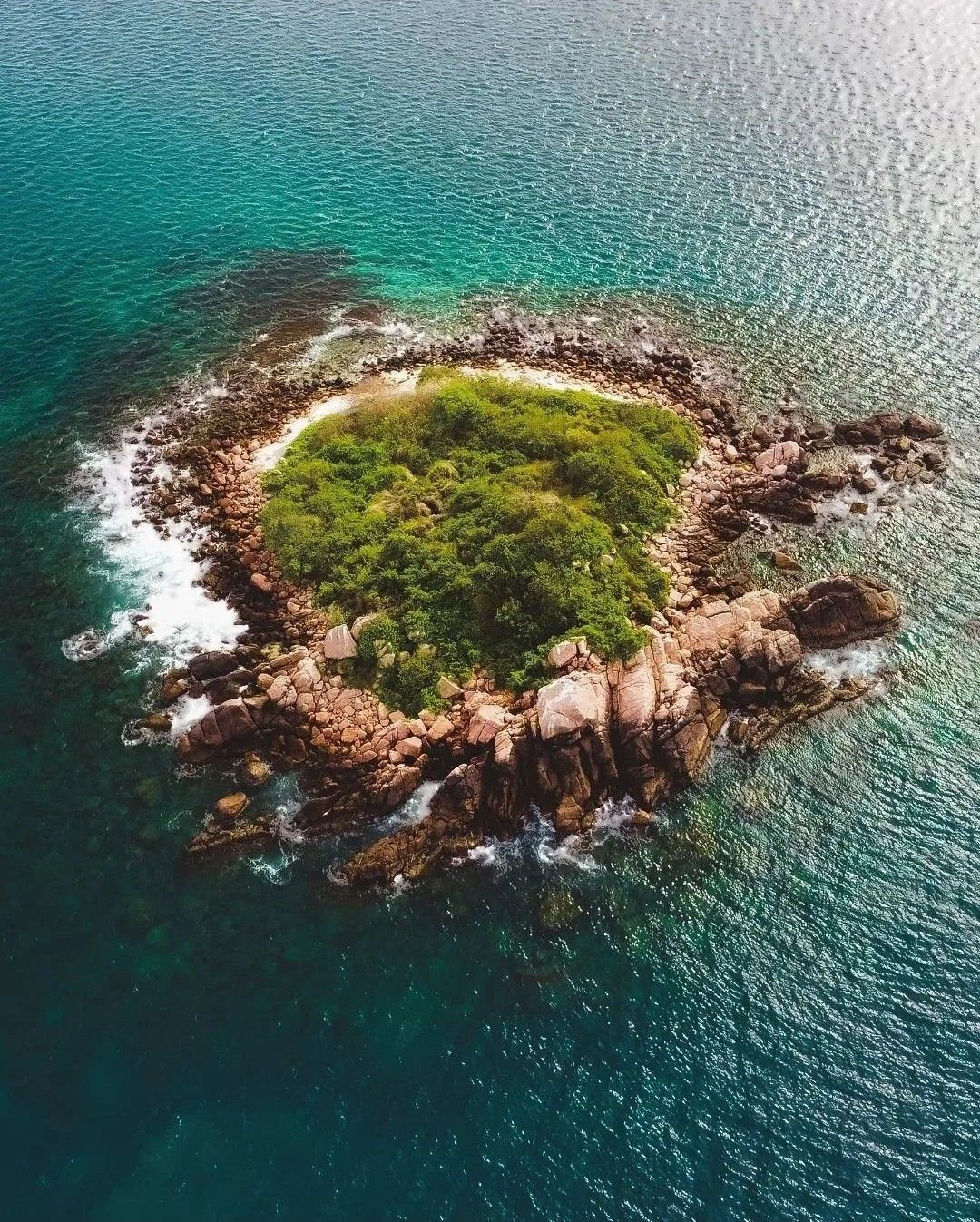
A marine sanctuary famous for its live coral reefs, reef sharks, and sea turtles. It is an ideal spot to pair with a Trincomalee landmarks excursion.
A pristine stretch of white sand that serves as the primary departure point for offshore boat excursions.
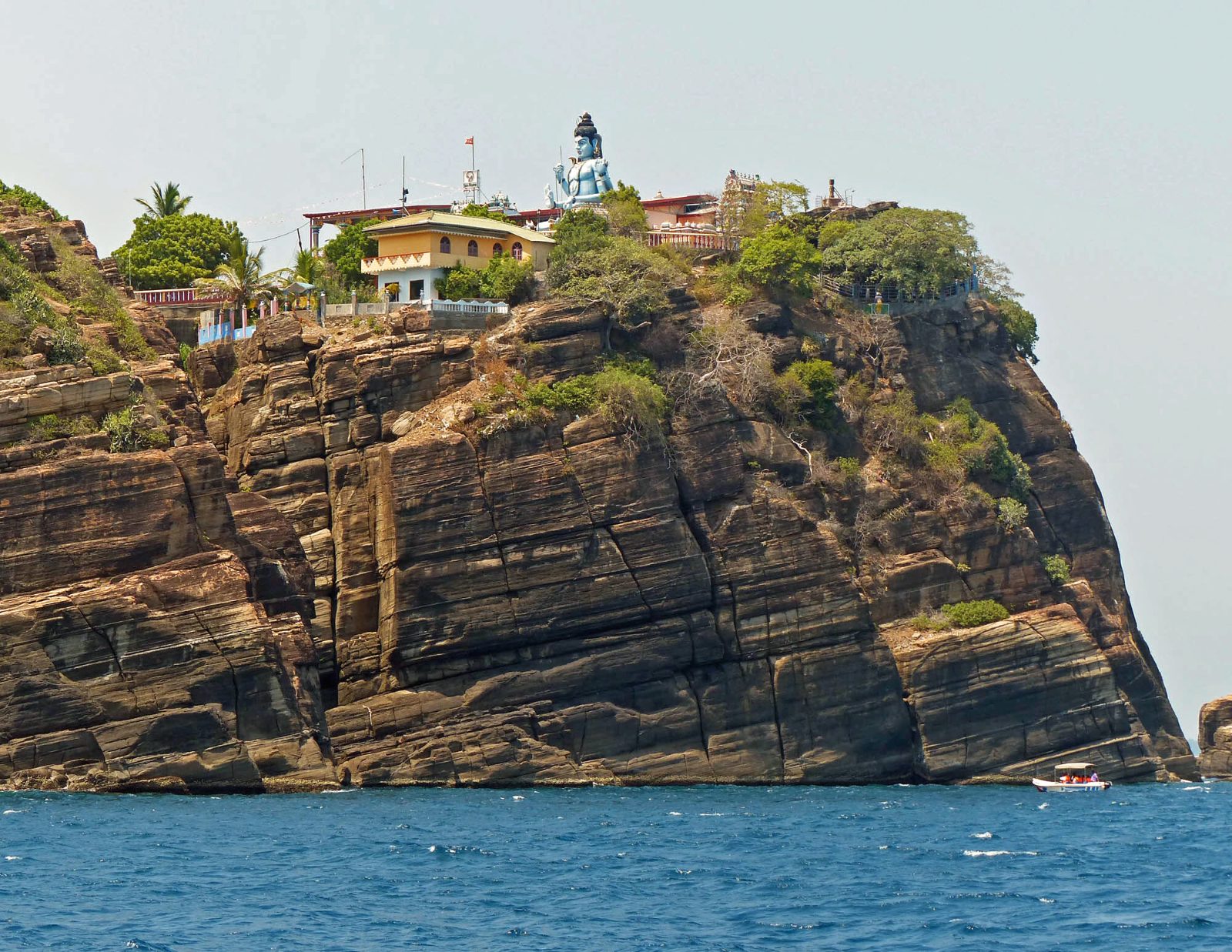
A classical medieval Hindu temple complex built atop Swami Rock, offering panoramic views of the harbor.
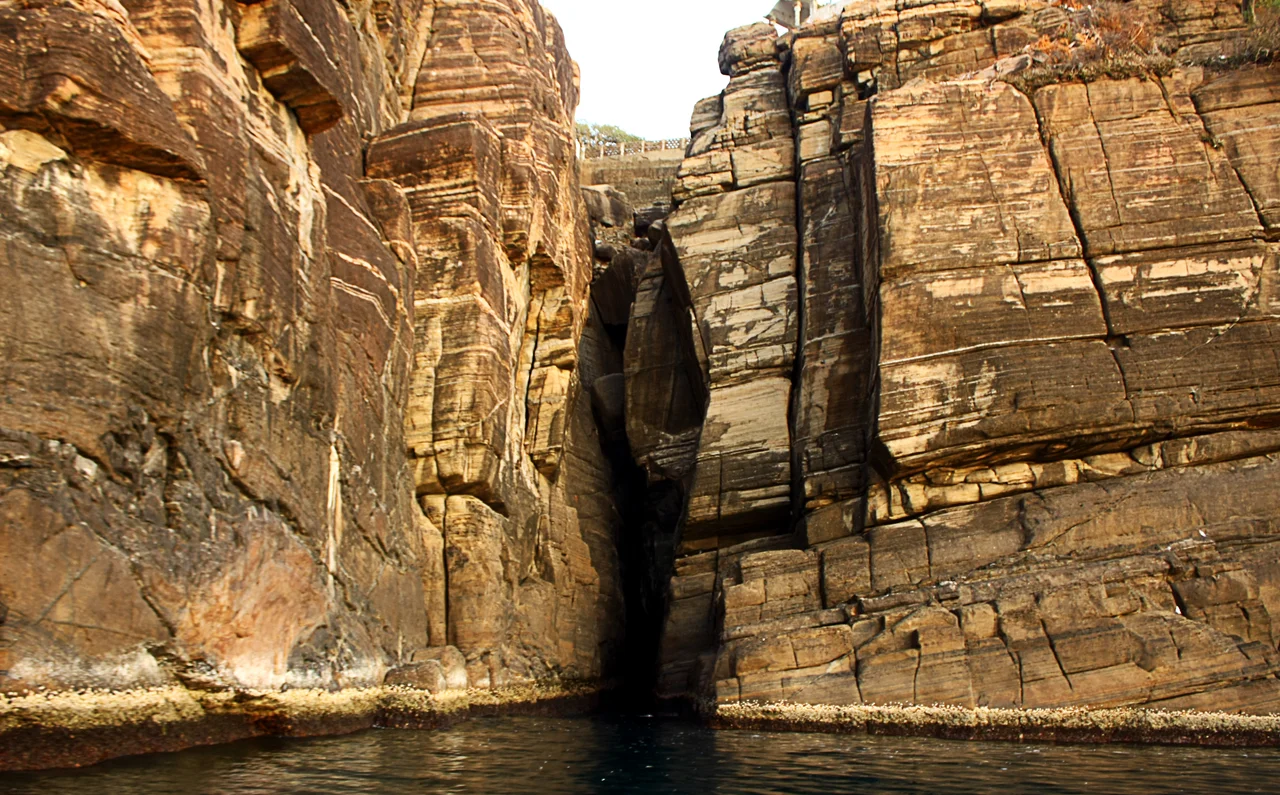
A sheer cliff located adjacent to the Koneswaram Temple, famous for its dramatic drop and local folklore.
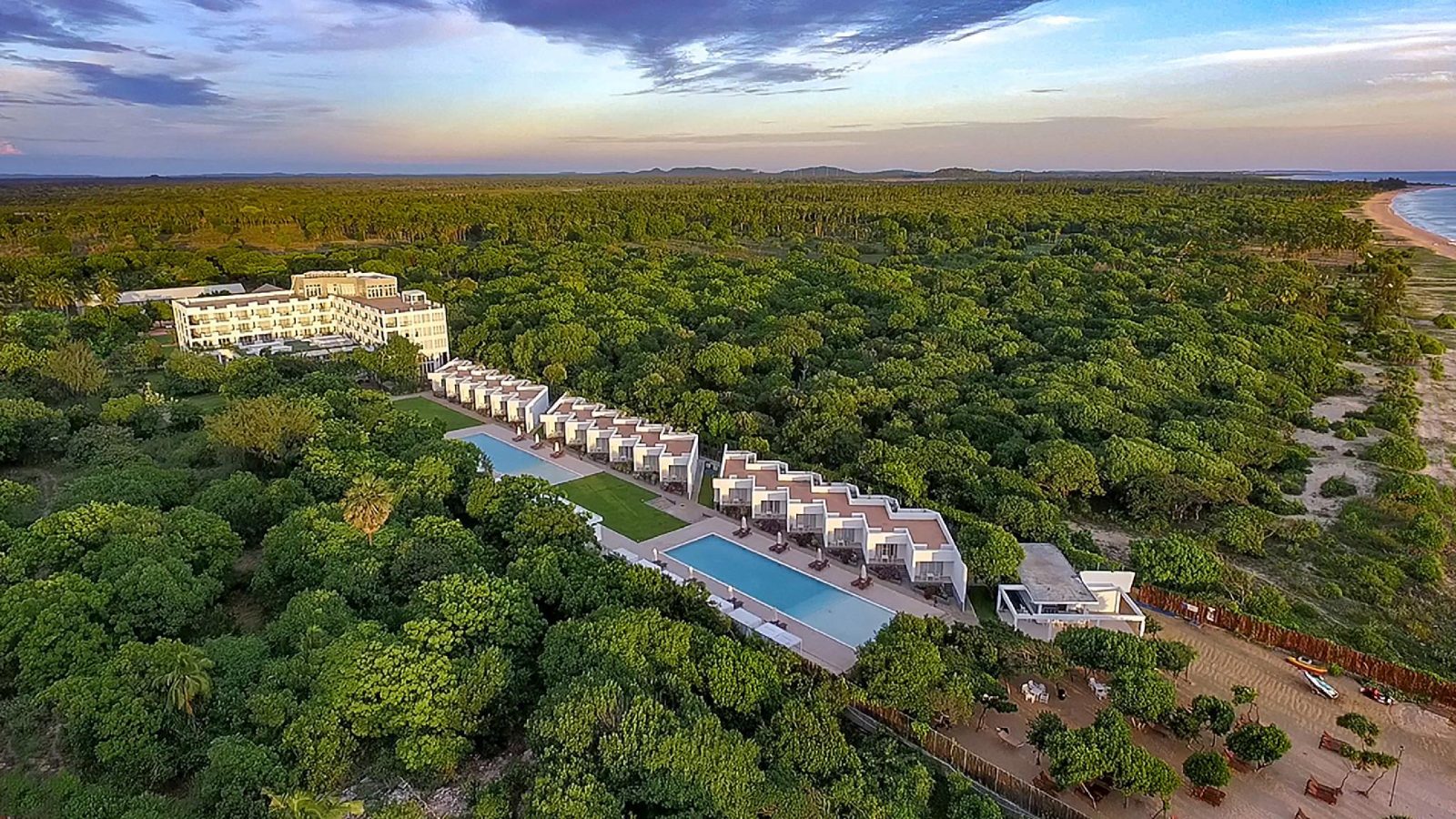
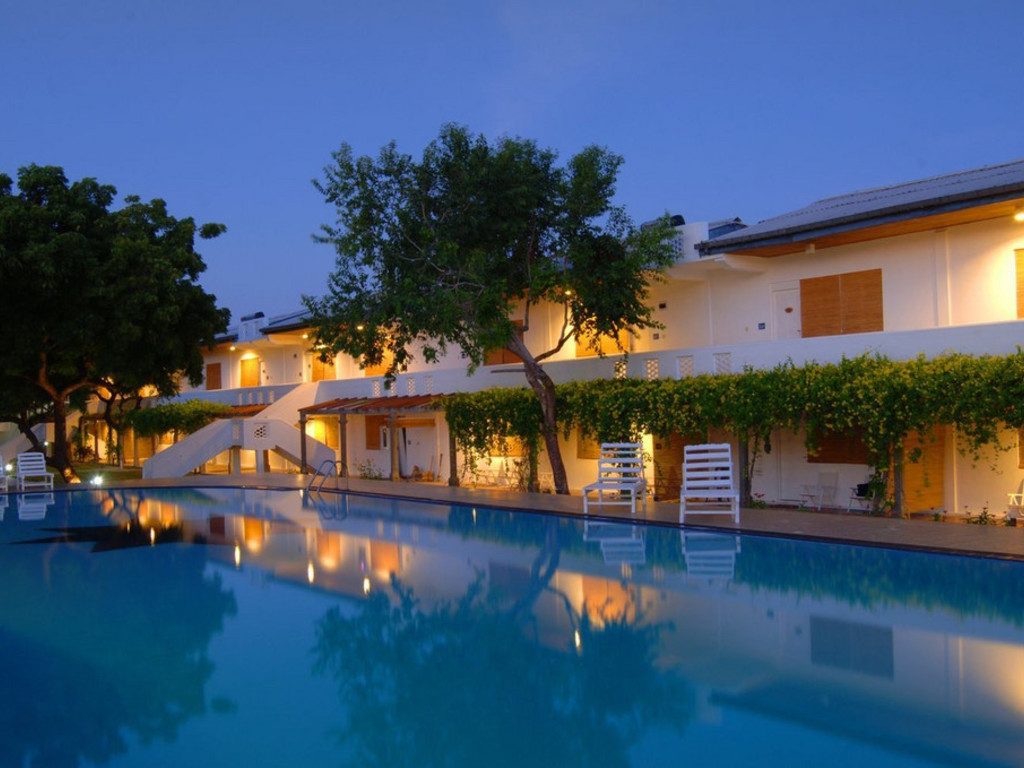
A classic beachfront resort offering modern rooms, an outdoor pool, and direct access to boat departures.
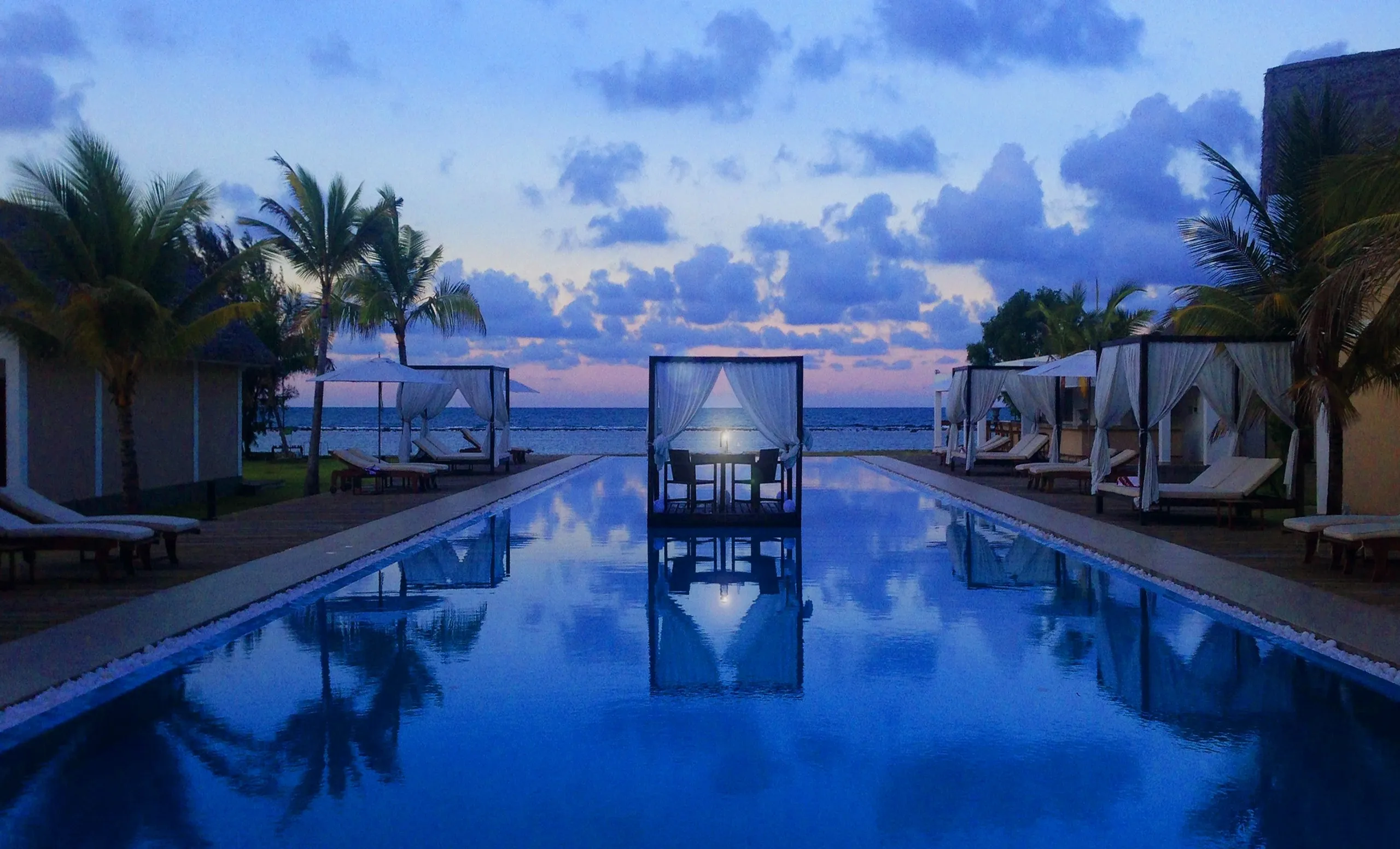
An upscale boutique resort featuring stylish rooms, fine dining, and two swimming pools near the ocean.
A comfortable resort located right on the beach, ideal for families and diving enthusiasts.
Join thousands of happy travelers who have discovered this incredible experience
Book Your Experience Now