
Quick answer
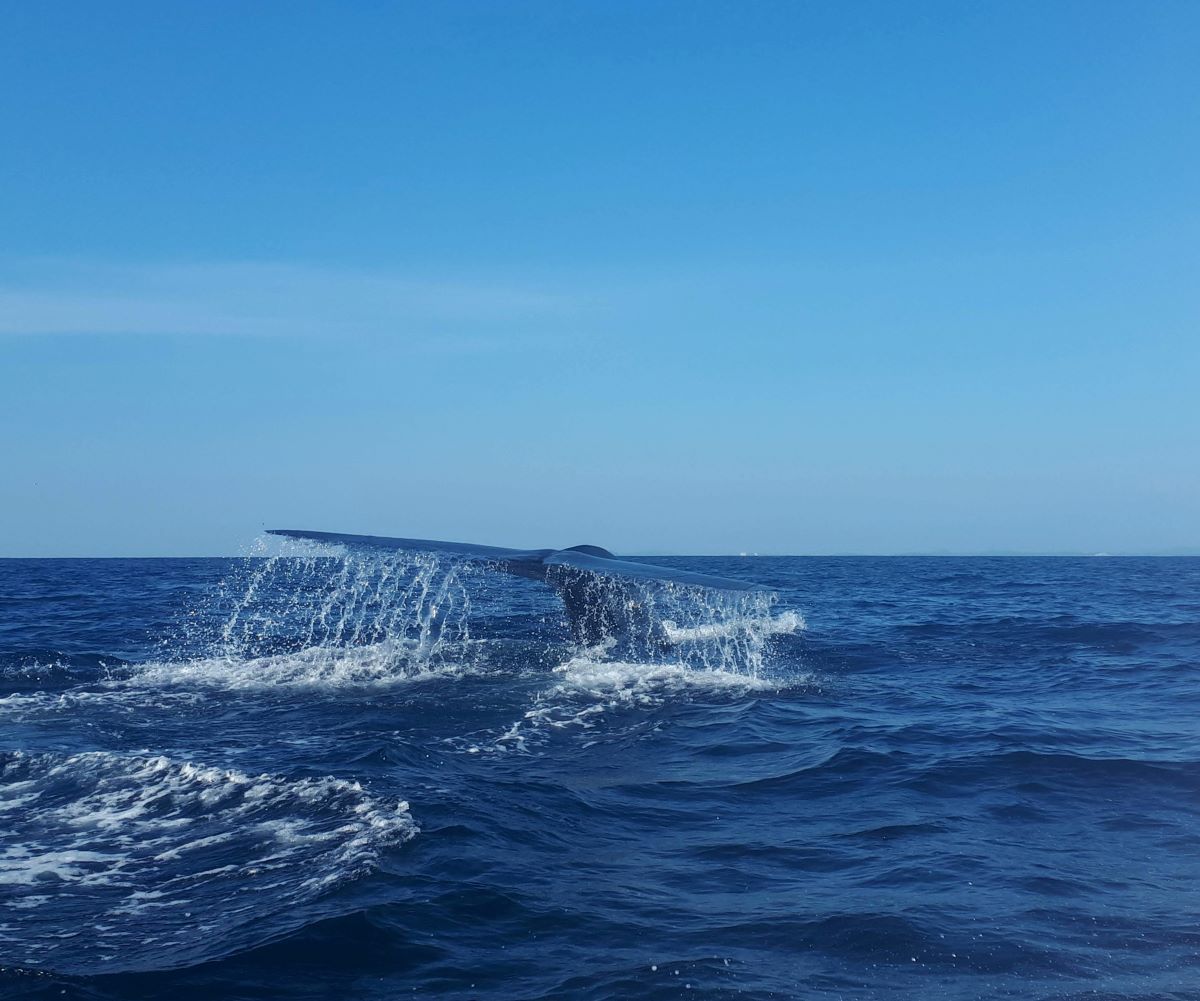
Trincomalee's whale watching season centres on the calm-sea months off Sri Lanka's northeast coast, and boats sail at first light—the best arrival window is 05:30–06:30, when morning seas are calmest and visibility highest. Beach access is free (0 LKR); boat tours and marine permits are paid separately. Sightings peak on settled, low-swell mornings rather than choppy ones.
Few visitors realise that Trincomalee sits beside one of the deepest natural harbours in the world, where the continental shelf drops away close to shore. That underwater canyon draws blue whales and sperm whales within a short boat ride of the coast, which is why the trincomalee whale watching season pulls travellers to the northeast of Sri Lanka rather than the more famous south. The reader planning a whale watching tour in Trincomalee is really working with two variables: the calendar and the sea. The calendar decides whether boats run at all, since operators launch from Nilaveli Beach and Trincomalee Harbour only when the Indian Ocean settles and the swell drops. The sea decides the quality of the morning. On a low-swell dawn, spotters read the water for blows and the dark backs of whales; on a choppy one, both sightings and comfort suffer. This is the logic behind the early start—the calmest, clearest hours sit at the very beginning of the day. Because the beach itself carries no entrance fee, the cost a visitor plans for is the boat and the marine permit, arranged through licensed operators rather than at the sand. Trips are simple to join: confirm a sailing, arrive rested, and be at the jetty before the fleet leaves. Sightings are never guaranteed, and honest crews say so; the ocean is not a ticketed exhibit. What raises the odds is choosing a settled morning and giving the crew time to track spinner dolphins, which often surface first and lead boats toward larger animals. Anyone weighing a northeast-coast whale watching trip should treat this page as the frame and the site's booking pages as the detail. The month-by-month rhythm, the packing list, and the route in from town each have their own place. Held together, they explain why the trincomalee whale watching season keeps its reputation: deep water, short distances, and mornings that reward an early alarm.
“On a low-swell dawn the ocean rewards an early alarm; it is not a ticketed exhibit.”
Choosing the Best Months for the Trincomalee Whale Watching Season
The prime window for the Trincomalee whale watching season is from May to September, when marine conditions are exceptionally calm. Early morning departures between 05:30 and 06:30 yield the highest visibility and the smoothest sea conditions.
June to August
Peak visitor turnoutDry and hot, highs around 33°C
This period offers the highest probability of spotting blue whales and sperm whales in deep waters. Calm sea swells make this the most popular time for boat excursions.
May and September
Moderate visitor numbersWarm with light rain, average 32°C
These shoulder months feature fewer boats but slightly less predictable weather. Whales are still active, though tours depend heavily on local sea condition reports.
October to April
No boat departuresWet monsoon season, average 28°C
The northeast monsoon brings high winds and rough waves, forcing all local marine operators to pause boat tours.
Weekday mornings
Fewer boats on water—
Departing between 05:30 and 06:30 provides the calmest ocean surface for wildlife tracking. Early trips also help passengers avoid mid-day heat and motion sickness.
Verdict: Book a weekday tour from June to August with a departure scheduled between 05:30 and 06:30 for the calmest seas and highest sighting rates.
Trincomalee Whale Watching Season vs Mirissa: Which Coast is Best?
Visitors must choose between the East Coast and the South Coast, as monsoonal wind patterns divide Sri Lanka's whale watching seasons into distinct geographical windows.
|
Top pick Trincomalee (East Coast) May to September |
Mirissa (South Coast) November to April | |
|---|---|---|
| Best Months | May to September | November to April |
| Primary Species | Sperm whales, blue whales, spinner dolphins | Blue whales, Bryde's whales, spinner dolphins |
| Sea Conditions | Calm waters with minimal ocean swell | Calm morning seas, moderate afternoon swells |
| Crowd Levels | Low tourist boat density | High tourist boat density |
| Departure Location | Nilaveli Beach and Trincomalee Harbour | Mirissa Fisheries Harbour |
Verdict: Choose Trincomalee for fewer boats and sperm whale sightings from May to September, or select Mirissa if traveling between November and April for prime blue whale activity.
Getting to the Trincomalee Whale Watching Launch Points
The main launch points for Trincomalee's marine excursions are concentrated along Nilaveli Beach, Uppuveli Beach, and the Trincomalee Harbour at the Navy Dockyard. These starting points sit just north and east of the central town, making quick transfers via local three-wheelers or buses very straightforward.
Tuk-tuk from Trincomalee Railway Station via Nilaveli Road (B424) to Nilaveli Beach
Pulmoddai-bound local bus from Trincomalee Bus Stand to Uppuveli Beach road junction
Tuk-tuk from Trincomalee Bus Stand via Dockyard Road to Trincomalee Harbour (Navy Dockyard)
Private vehicle via Nilaveli Road (B424) to Nilaveli Beach & Trincomalee Harbour
Your Essential Trincomalee Whale Watching Season Checklist
Work through these in order, from the weeks before your trip down to the morning you board.
-
Reserve your boat tour in advance — Morning departures fill quickly during peak season, so confirm through the site's booking pages early.
-
Carry a government photo ID — Trincomalee Harbour clearances require valid identification for each passenger before boarding.
-
Pack sea sickness pills — Take them 30–60 minutes before the 05:30–06:30 departure to settle against open-water swell.
-
Bring sun protection — Reef-safe sunscreen, a hat, and sunglasses cover exposed hours on deck with no shade.
-
Stow gear in waterproof bags — Spray and splash reach cameras and phones easily on an open boat.
-
Add a light windproof layer — Early morning seas feel cool before sunrise warms the deck.
-
Charge and secure your camera — A wrist strap prevents drops when the boat rolls.
-
Save the operator phone number — Keep +94777323050 handy to confirm timing or weather holds.
Crucial Mistakes to Avoid During the Trincomalee Whale Watching Season
Whale watching off Trincomalee rewards preparation. A few avoidable errors account for most disappointing or unsafe outings during the season.
Arriving late and missing the calm morning window
Aim to be at the boat between 05:30 and 06:30, when seas are calmer, visibility is better, and motion sickness is less likely.
Booking with unregistered beach operators lacking marine permits
Confirm the operator holds a valid marine permit before paying. Cross-check tours through the official site at https://whalewatching.navy.lk or call +94777323050.
Underestimating open-water conditions and rough swells
Expect open-sea motion once past the harbour. Take motion-sickness precautions in advance and choose a calm-weather departure.
Assuming free beach access covers the boat tour
Beach access is free (0 LKR), but boat tours and marine permits are paid separately through registered operators.
Turning up without a confirmed booking
Reserve a seat ahead through the site's booking pages rather than expecting walk-on space during peak season.
Heading to the wrong departure point
Departures run from Nilaveli Beach and Trincomalee Harbour. Confirm your exact meeting point with the operator the day before.
Explore Nearby: Sights to Pair with Your Trincomalee Marine Adventure
Morning marine tours typically conclude by noon, leaving the afternoon open to explore Trincomalee's historic landmarks and coastal reserves. Combining whale watching with nearby cultural sites and snorkeling areas allows you to maximize a single-day itinerary.
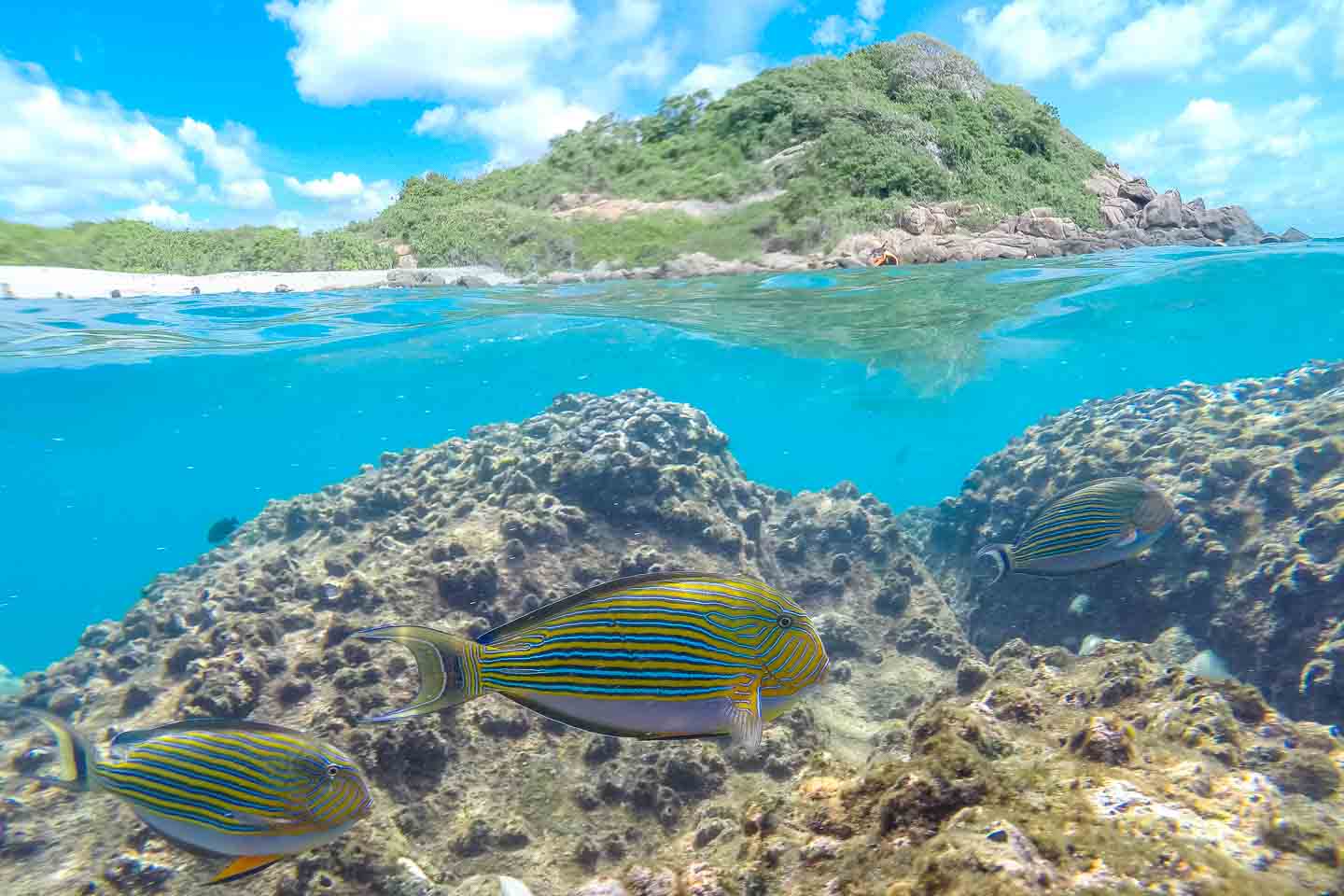
Pigeon Island National Park
This marine reserve features shallow coral reefs where visitors snorkel alongside blacktip reef sharks and sea turtles. It complements the whale tour by offering an active in-water encounter with smaller marine species.
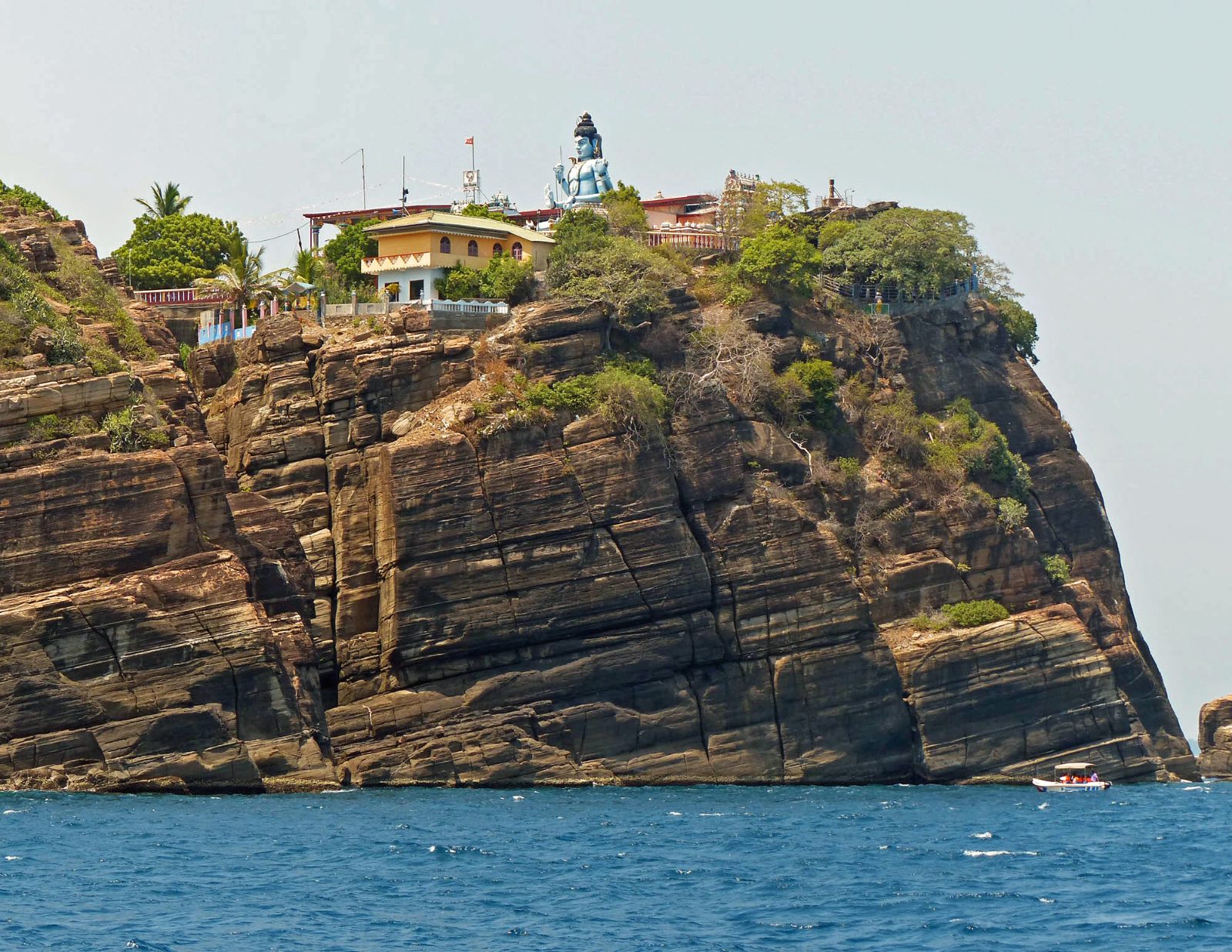
Koneswaram Temple
Built on the cliffs of Swami Rock, this classical Hindu temple overlooks the ocean. Visitors can look down at the deep waters where whales are spotted and explore the intricate religious shrines.
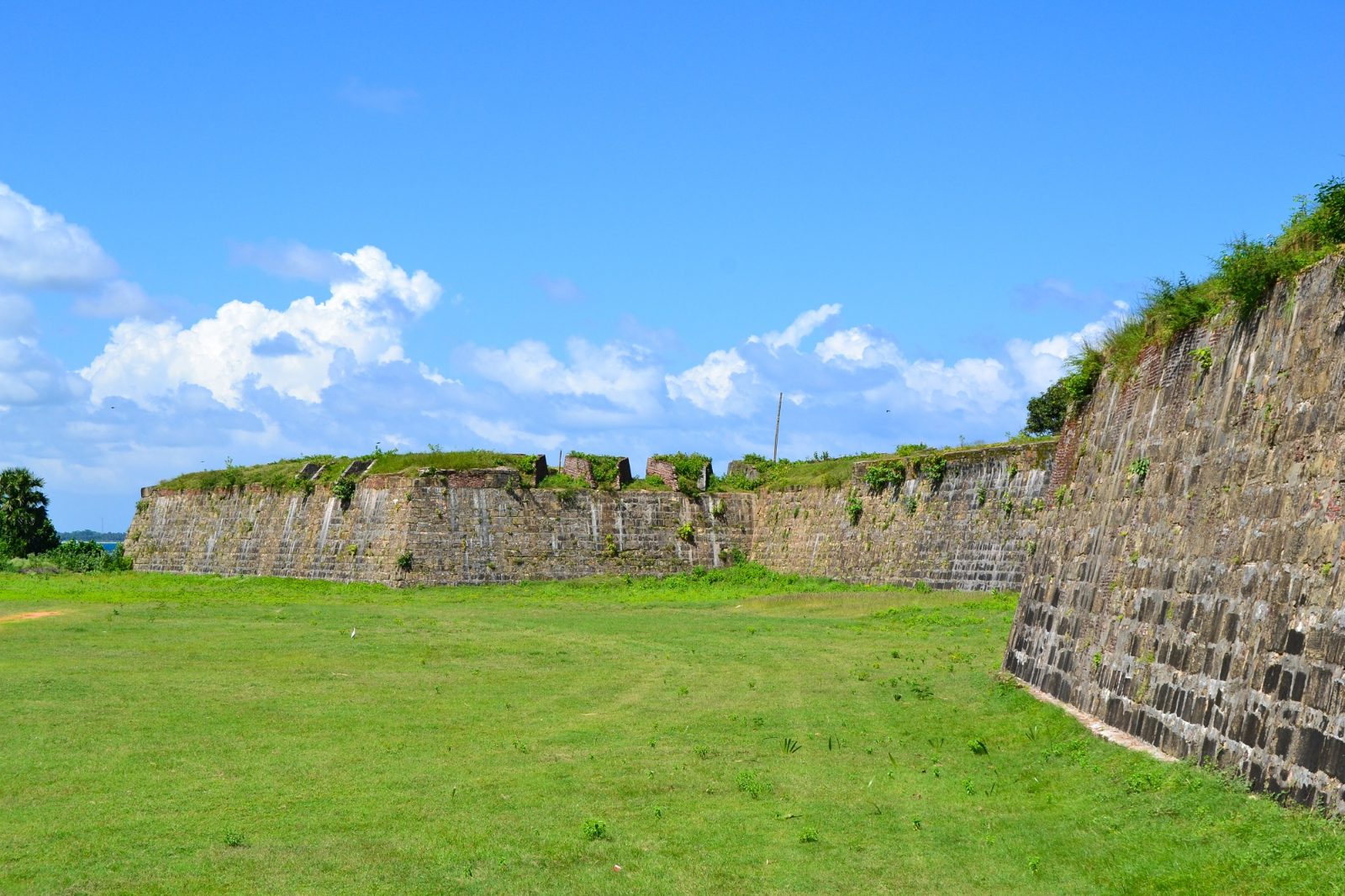
Fort Frederick
This 17th-century fortress constructed by colonial forces marks the gateway to Swami Rock. Visitors can walk the historic ramparts, observe colonial architecture, and view the resident herds of wild spotted deer.
Fascinating Facts About the Trincomalee Whale Watching Season
The deep waters off the east coast of Sri Lanka harbor a unique marine environment shaped by dramatic geological formations. These physical features create a rich habitat that supports some of the planet's largest marine mammals.
3,350 meters below sea level
The Trincomalee Submarine Canyon plunges to depths of over 3,350 meters. This steep drop-off brings deep-water nutrients and marine life exceptionally close to the shore.
20 largest undersea canyons globally
The multiple submarine canyon complex at Trincomalee Bay ranks among the 20 largest submarine canyons in the world. It features walls composed of hard granitic and quartzitic rocks that rise up to 1,350 meters high.
100-ton blue whales feed here
High concentrations of zooplankton and krill trapped by the canyon draw blue whales close to the coastline. These marine mammals utilize the deep trench as a primary feeding ground during their migration.
30 cetacean species recorded locally
Researchers have documented thirty different species of cetaceans in the waters surrounding Sri Lanka. This variety includes blue whales, sperm whales, spinner dolphins, and Bryde's whales.
12-month gestation for sperm whales
Resident sperm whales, which frequently gather in large pods near the canyon edges, have gestation periods lasting between 12 to 17 months. They dive deep into the canyon to hunt giant squid.
1 longest river feeds the canyon
The Mahaweli River, which is the longest river in Sri Lanka, flows into the sea at the southern bank of the bay entrance. The river's nutrient-rich runoff directly fuels the marine ecosystem inside the canyon.
3 distinct undersea canyon heads
The canyon complex begins just a few meters from the shoreline with three main heads. One head is located inside the inner Trincomalee Harbour, while the other two lie in Koddiyar Bay.
Check availability
Trincomalee Whale Watching Season FAQ
Everything you need to know about trincomalee whale watching season